 Sarasota Siding
 What Board and Batten Siding Actually Is
Board and batten is one of the oldest siding patterns in American building, and it has become one of the most requested looks on new construction and renovations across Sarasota County. The system uses wide vertical panels (the "boards") with narrow strips (the "battens") covering the seams between them. The result is a clean, linear, shadow-lined facade that reads as modern farmhouse, coastal, or craftsman depending on the trim details and color chosen around it.
It's a deceptively simple-looking system. Underneath the visual pattern is a set of decisions about panel material, fastening, water management, and batten spacing that determine whether the siding looks sharp for thirty years or starts telegraphing problems within five.
Why It's Everywhere Right Now
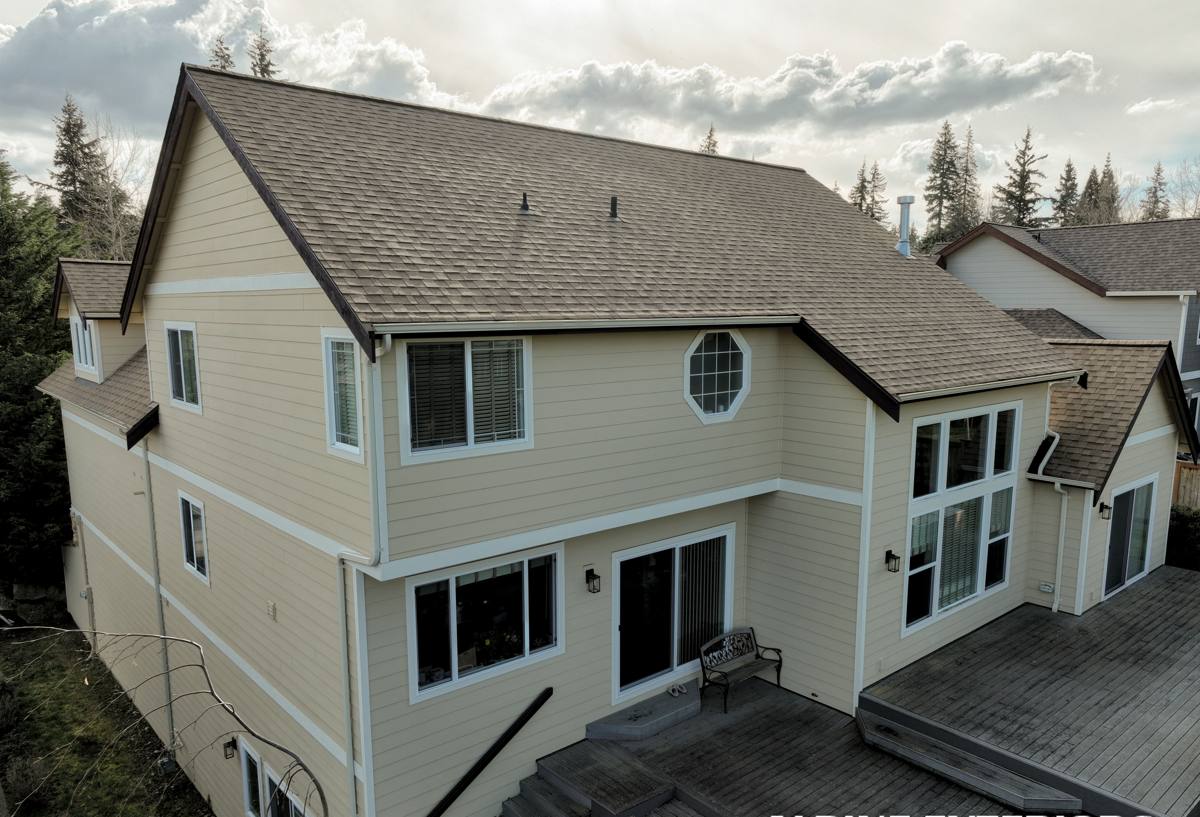
Board and batten works as a full facade or as an accent — a gable end, a porch surround, a mix with lap siding on the lower field. That flexibility, combined with the strong vertical lines that photograph well and read well in person, is why we get more board and batten requests every year, especially on new builds and full re-sides in and around Sarasota.
Why Sarasota's Climate Is a Real Factor Here
Board and batten isn't a neutral choice climate-wise. The pattern itself — vertical panels, exposed seams under battens, more linear feet of trim per square foot of wall than a standard lap profile — means more places for water to find a way in and more surface area exposed to sun and wind. In a market like Sarasota, that matters more than it would somewhere inland and dry.
- Hurricane-force wind: vertical panels and their battens need fastening and edge treatment that holds under sustained uplift and wind-driven debris, not just standard nailing patterns.
- Year-round UV intensity: Gulf Coast sun is relentless on painted surfaces. Field-applied paint on vertical board and batten chalks, fades, and cracks faster than it would in a milder climate.
- Wind-driven rain: Sarasota storms don't just fall straight down — rain gets pushed sideways into every seam, joint, and batten reveal. Water management behind the panel matters as much as the finish on top of it.
- Salt air: proximity to the Gulf and Sarasota Bay means airborne salt accelerates corrosion of fasteners and metal flashing, and it works on organic materials over time too.
None of that means board and batten is a bad idea here. It means the material and the installation details have to be chosen with this climate in mind, not borrowed from a spec sheet written for a different part of the country.
Comparing Materials for a Board and Batten Facade
Board and batten can be built out of several materials. We only install it in James Hardie fiber cement, but homeowners deserve an honest look at the alternatives and why we standardized where we did.
| Material | How It Handles UV & Salt Air | Moisture Behavior | Long-Term Maintenance |
|---|---|---|---|
| James Hardie fiber cement | Non-combustible, dimensionally stable; ColorPlus finish is baked on and warranted against fading | Doesn't rot, doesn't feed pests; engineered for high-moisture climates | Occasional rinse; repaint only if you change color, decades out |
| Primed spruce / cedar board and batten | Wood moves with humidity and heat; paint film breaks down faster under intense Gulf Coast UV | Vulnerable to rot and moisture wicking at seams and battens without diligent upkeep | Repainting/caulking on a recurring cycle; higher labor cost over the life of the siding |
| Vinyl board and batten | Can warp or become brittle with prolonged heat and sun exposure; color is molded-in but limited to lighter tones for that reason | Water can travel behind panels; not a structural or fire-resistant material | Low upkeep but shorter realistic lifespan in this climate, and panels are easily damaged in wind events |
| LP SmartSide (engineered wood) | Better UV tolerance than raw wood but still an engineered wood product with a treated strand core | Depends heavily on caulking, flashing, and edge sealing being done exactly to spec; edge swelling is a known failure point if that's missed | Requires ongoing inspection of seams and cut edges, particularly at the ground line and battens |
We stopped installing LP SmartSide, vinyl, cedar, and primed spruce board and batten because on Sarasota exteriors we kept seeing the same failure points repeat: edge swelling on engineered wood at cut ends, paint failure on raw wood in the UV load here, and warping or wind damage on vinyl. Fiber cement doesn't have an organic core to rot and doesn't rely on a field-applied paint film to survive the sun.
The James Hardie Board and Batten System
Hardie's board and batten approach usually combines HardiePanel vertical siding with HardieTrim battens, both fiber cement, both engineered for the same climate zone. For Sarasota specifically, that means the HZ5 product line — Hardie's formulation for high-humidity, high-moisture Southeast and Gulf climates, as opposed to the HZ10 line built for drier, colder regions.
ColorPlus Factory Finish
Most board and batten jobs we do use ColorPlus prefinished panels rather than field paint. The finish is baked on at the factory in multiple coats under controlled conditions, which is a meaningfully different process than a painter rolling and brushing color onto siding on the wall in Florida heat and humidity. ColorPlus comes with its own finish warranty separate from the substrate warranty, and it holds color and sheen far longer under sustained Gulf Coast sun than field-applied paint typically does.
Panel and Batten Sizing
HardiePanel comes in different textures (smooth or cedar-textured) and thicknesses, and batten spacing is a design choice — tighter spacing reads more traditional and formal, wider spacing reads more modern. We size battens and reveals based on the home's proportions and roofline, not a single default pattern applied to every house.
Installation Details That Actually Determine Performance
Board and batten fails or succeeds at the details most homeowners never see once the wall is closed up. This is where wind, rain, and salt air do their damage if it's skipped.
- Weather-resistive barrier and rainscreen gap: a proper drainage plane behind the panel lets any moisture that gets past the batten seams drain and dry instead of sitting against the wall.
- Fastening pattern: nailing schedule and fastener type have to meet Hardie's specifications for the local wind zone, not a generic pattern — Sarasota's wind design requirements are not the same as an inland market's.
- Batten seam treatment: battens need consistent, correct fastening into structural framing, with attention to how the seam behind them is sealed and flashed, not just how it looks from the street.
- Flashing at penetrations and transitions: windows, doors, hose bibs, and roof-to-wall transitions are the highest-risk points for wind-driven rain intrusion on any vertical siding pattern.
- Corrosion-resistant fasteners: given salt air exposure this close to the Gulf and the bay, fastener material matters — the wrong fastener corrodes and stains or fails years before the siding itself would.
- Ground clearance and bottom edge detail: board and batten's vertical panels need proper clearance and starter strip detailing at the base to avoid wicking moisture up from grade or hardscape.
Any of these done wrong will eventually show up as staining, cracking, buckling, or a soft spot behind the wall — regardless of how good the siding material itself is.
What Drives the Cost of a Board and Batten Job
| Cost Factor | Why It Moves the Price |
|---|---|
| Wall prep and existing siding removal | Tear-off, sheathing repair, and dealing with rot or water damage found underneath adds labor before the new siding goes up |
| Batten spacing and trim detail | Tighter batten spacing and additional trim (corner boards, window casing) mean more linear feet of material and labor per square foot of wall |
| Panel texture and color | ColorPlus factory colors versus a custom field-painted color affect both material cost and long-term maintenance cost |
| Wall height and complexity | Gables, dormers, and multi-story sections require more scaffolding, cutting, and precision fitting than a simple single-story wall |
| Full re-side versus accent application | Board and batten used as a gable or porch accent costs less overall than a full-facade application, but per-square-foot labor can run similar |
Maintenance and Warranty
A correctly installed Hardie board and batten system is genuinely low-maintenance for Sarasota conditions. A periodic rinse to clear salt residue and pollen, an annual walk-around to check caulking at trim joints, and prompt attention to anything that looks off at a seam is realistically the extent of it. There's no repainting cycle to plan around unless you decide to change the home's color.
James Hardie backs its fiber cement products with a transferable limited warranty, and ColorPlus finishes carry their own separate finish warranty covering fade and chip performance. That warranty structure — a manufacturer standing behind both the substrate and the factory finish — is part of why we standardized on this product for every siding job we take on, board and batten included.
Choosing a Contractor for a Board and Batten Job
Board and batten is less forgiving of installation shortcuts than standard lap siding because of the seam count and vertical water path. When you're vetting a contractor for this specific job, it's worth asking pointed questions.
- Ask to see their nailing and flashing details specifically for board and batten, not just their general siding process.
- Confirm they're using a rainscreen or proper drainage plane behind the panels, not just house wrap and siding directly over it.
- Ask which Hardie product line they're specifying and why — HZ5 is the correct call for this climate zone.
- Get manufacturer certification confirmation; Hardie has an installer training and certification program worth asking about.
- Ask how they handle batten spacing design relative to your home's window and door layout, since poor layout planning shows up as awkward cuts at openings.
If you're weighing board and batten for a Sarasota home — whole house or as an accent — we're happy to walk the property, talk through batten spacing and color options, and give you a straightforward, no-pressure estimate using our James Hardie system. There's no obligation to move forward; it's just information you can use.