 Sarasota Siding
 Why This Comparison Matters in Sarasota
If you're re-siding a home in Sarasota County, you'll eventually land on the same decision nearly every homeowner here faces: vinyl or fiber cement. Both products can be installed correctly or poorly, both have a place in the broader siding market, and both have manufacturers who will tell you their product is the right one. Our job isn't to win an argument — it's to explain, honestly, why we standardized on James Hardie fiber cement and stopped installing vinyl, and to give you enough real information to make your own call with confidence.
Sarasota's exterior building envelope deals with a specific combination of stresses: sustained coastal humidity, intense UV exposure nearly year-round, salt-laden air moving in off the Gulf, and the real possibility of hurricane-force wind and wind-driven rain during storm season. Not every siding product handles that combination the same way, and that's the lens we use below.
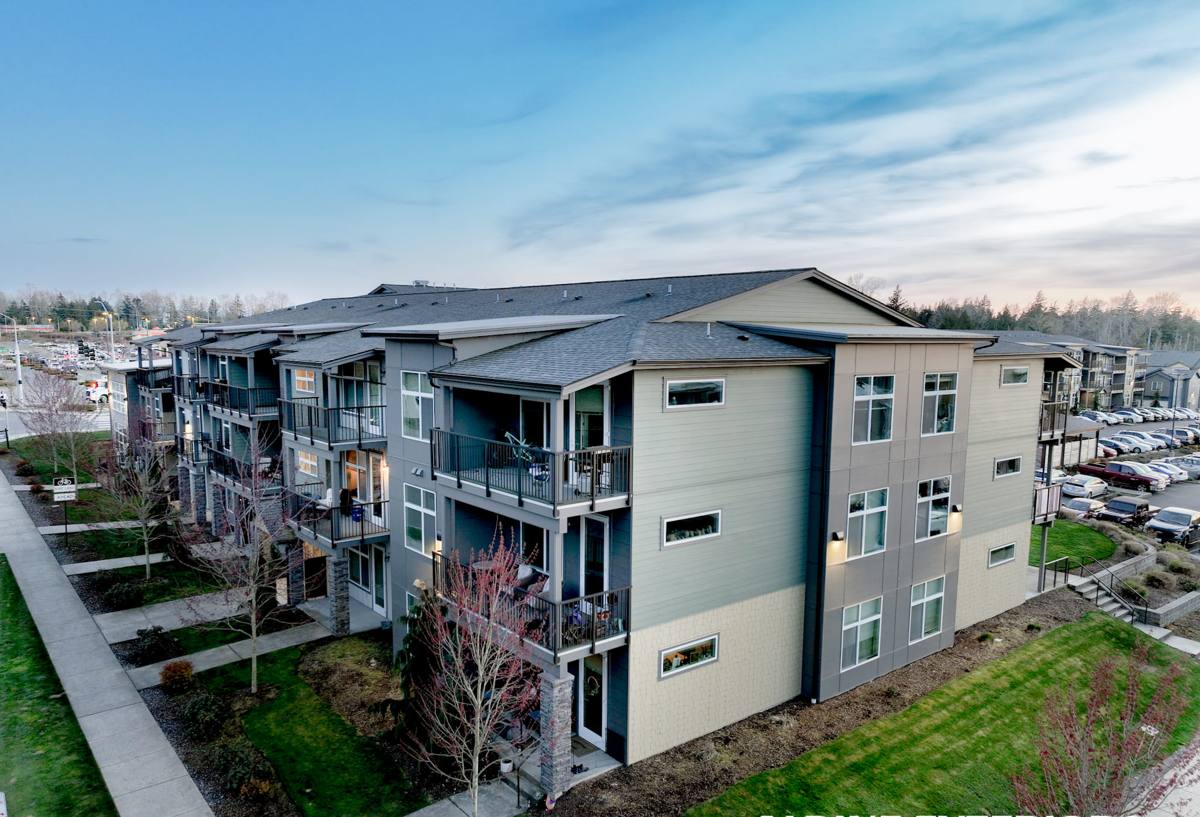
What Vinyl Siding Does Well
It's worth being fair to vinyl before explaining our reservations. Vinyl siding is lightweight, relatively inexpensive to purchase, and quick to install, which keeps labor costs down. It doesn't rot, and because the color runs through the material rather than sitting on top as a coating, small surface scratches are less noticeable than they'd be on a painted surface. For budget-driven projects on homes with modest wind exposure, vinyl has been a reasonable, defensible choice for decades across much of the country.
Manufacturing has also improved. Thicker-gauge vinyl panels with better locking systems hold up better than the thin vinyl common in the 1980s and 90s. If you've seen vinyl siding that looks tired and wavy, there's a good chance it's an older, thinner product rather than a reflection of what's available today.
Where Vinyl's Strengths Run Into Our Climate
The trade-offs start to show up specifically because of where we are. Vinyl is a petroleum-based plastic, and plastic responds to heat and UV by softening, expanding, and eventually becoming brittle. Sarasota gets long stretches of intense sun exposure, and dark or richly colored vinyl panels can reach surface temperatures well above the surrounding air on a summer afternoon. Over years of that cycle — heating, expanding, cooling, contracting — panels can warp, buckle, or pull away from their nailing strips, especially on south- and west-facing walls.
Wind is the bigger concern for us. Vinyl siding is mechanically hung, not fastened rigidly — it's designed to expand and contract, which means it relies on interlocking panels and nailing flanges to stay put. In sustained high wind, panels can lift, crack at the locking edge, or blow off entirely, and replacement panels in an exact color match get harder to find as products age out of a manufacturer's line. After a wind event, it's common to see vinyl-sided homes with a patchwork of mismatched replacement panels because the original color has faded or been discontinued.
What Fiber Cement (James Hardie) Actually Is
Fiber cement siding is a composite of Portland cement, sand, and cellulose fiber, cured into a rigid board. It's not plastic and it's not wood — it behaves more like a manufactured masonry product. That composition is what drives most of the practical differences below: it doesn't soften in heat, it doesn't off-gas or warp the way petroleum-based products can, and it's non-combustible, which matters for both safety and, in some cases, insurance underwriting.
We install James Hardie exclusively — not LP SmartSide, not Cemplank, not Allura, not primed spruce or cedar. Hardie's HZ5 product line is engineered specifically for high-humidity, high-moisture climates like ours, with moisture and impact resistance tuned for exactly the conditions Sarasota sees. That's a narrower product commitment than most siding contractors make, and we make it on purpose: we'd rather stand behind one system we know inside and out than juggle installation specs across five different products.
ColorPlus Factory Finish
Most Hardie siding we install uses the ColorPlus finish — a baked-on, factory-applied coating that's more UV- and fade-resistant than field-applied paint, backed by its own finish warranty separate from the product warranty. That matters in a market with as much direct sun exposure as ours; field-painted siding of any material will fade and chalk faster under constant Florida UV than a factory-cured finish designed for it.
Side-by-Side: The Honest Version
| Factor | Vinyl Siding | James Hardie Fiber Cement |
|---|---|---|
| Upfront material cost | Lower | Higher |
| Behavior in extreme heat | Can soften, warp, or buckle | Dimensionally stable |
| Wind performance | Panels can lift or crack in high wind | Rigid, mechanically fastened, rated for high-wind installation |
| Fire rating | Combustible plastic | Non-combustible |
| Color longevity | Fades over time; matching old panels gets harder | ColorPlus finish holds color significantly longer |
| Moisture/rot resistance | Doesn't rot itself, but can trap moisture behind panels if installed loosely | Engineered HZ5 line resists moisture-related damage |
| Typical lifespan | 20-30 years, shorter in harsh coastal exposure | 30-50+ years with proper install and maintenance |
| Repainting | Generally not repainted; replaced instead | Can be repainted decades later if desired |
None of this means vinyl is "bad" in every setting — a shaded, inland home with modest wind exposure will treat vinyl more gently than a home two miles from the Gulf. But Sarasota's combination of coastal wind risk and sun intensity is close to the toughest environment vinyl is asked to perform in, and it's exactly the environment fiber cement was engineered to handle.
Wind, Windborne Debris, and Insurance
Sarasota County falls within Florida's high-velocity coastal construction concerns, and most of the region is under wind-borne debris code requirements tied to the Florida Building Code. Siding materials and fastening schedules that pass code minimums aren't automatically equal in real-world performance — a product can be code-compliant and still be the weaker performer in a sustained wind event. Fiber cement's rigidity and heavier fastening schedule give it a meaningful edge here, and some insurers view impact- and wind-resistant exterior materials favorably when underwriting coastal properties, though you'll want to confirm specifics with your own carrier since policies vary.
Salt air is the other regional factor worth naming directly. It accelerates corrosion on exposed metal fasteners and can degrade lower-quality finishes faster near the water. We use fastening and installation methods appropriate for coastal exposure, and Hardie's factory finish is formulated to hold up under that kind of sustained environmental stress better than a field-applied vinyl color layer.
Maintenance: What You're Actually Signing Up For
Vinyl's maintenance pitch is "none," and for the most part that's true day to day — no painting, occasional washing. The catch is that when vinyl fails, it usually fails as a full-panel replacement, not a repair, and exact color matches can be difficult once a panel run is a few years old.
Fiber cement needs more attention up front — caulking at joints and penetrations should be inspected periodically, and eventually a repaint or refinish may be needed decades out. In exchange, damage is usually repairable at the board level rather than requiring a wholesale re-side, and the material itself isn't degrading structurally the way overheated or wind-stressed vinyl can.
- Rinse siding (vinyl or fiber cement) 1-2 times a year to remove salt residue and pollen buildup
- Inspect caulking around windows, doors, and penetrations annually — this is where most moisture problems start, regardless of siding material
- After any named storm or high-wind event, walk the exterior and look for lifted, cracked, or missing panels before the next rain
- Trim vegetation back from siding to reduce moisture retention and physical abrasion
- Ask any contractor for the manufacturer's installation instructions for your specific wind zone — most siding failures trace back to installation, not the product itself
Cost Over Time, Not Just Cost on Day One
Vinyl will almost always win on the initial invoice. That's real, and we won't pretend otherwise — for a homeowner on a tight budget, it's a legitimate factor. But the fairer comparison is lifecycle cost: how many times will you likely replace or substantially repair the siding over 30 years, and what does storm damage exposure look like along the way. Fiber cement's higher upfront cost is spread over a longer service life and, in our experience, fewer post-storm surprises.
We'd rather walk you through that math honestly during an estimate than oversell either number in isolation.
Appearance and Resale
Modern vinyl has closed some of the visual gap it used to have with wood-look siding, but it still reads as vinyl up close — thinner profile, visible seams, a slight sheen. Fiber cement can be milled with deeper wood-grain texture and a more substantial board profile, and because it's cement-based, it holds crisp lines at trim and corners better over time. For resale, many buyers and appraisers in Florida markets recognize fiber cement as the more durable, higher-end exterior material, which can matter if you're weighing this as a long-term investment rather than a short-term fix.
Where This Leaves You
We're not going to tell you vinyl siding is unusable — it isn't. But we made a professional decision to install only James Hardie fiber cement because, given what Sarasota's climate actually does to exterior materials over 20-30 years, it's the product we're willing to warranty and stand behind. If your priority is the lowest possible day-one cost and your home has modest wind exposure, vinyl remains an option elsewhere. If you want a product engineered for hurricane-prone, high-UV, salt-air conditions with a factory finish built to last, that's the case for Hardie.
If you'd like to see samples, talk through the cost difference in real numbers for your home, or just get a second opinion on siding that's already showing wear, we're happy to walk your property and give you a free, no-pressure estimate.