 Sarasota Siding
 Siding in Venice, FL: Built for the Gulf Coast, Not Just Installed On It
Venice sits on the Gulf of Mexico in Sarasota County, and the exterior of a home here works harder than almost anywhere else in the country. Between the barrier island, the intracoastal waterway that runs through town, and the open Gulf just beyond, Venice homes deal with a combination of salt air, intense UV exposure, and wind-driven rain nearly every month of the year — with hurricane season adding real structural risk on top of that everyday wear. Siding that's rated for a mild climate somewhere else often doesn't hold up the same way in a coastal Sarasota County zip code.
We install James Hardie fiber cement siding exclusively. Not as one option among several, but as the only product we're willing to put our name behind for homes in this area. This page explains what Venice's climate actually does to exterior siding over time, and why we standardized on Hardie instead of the vinyl, LP SmartSide, or wood-based alternatives you'll see marketed elsewhere.
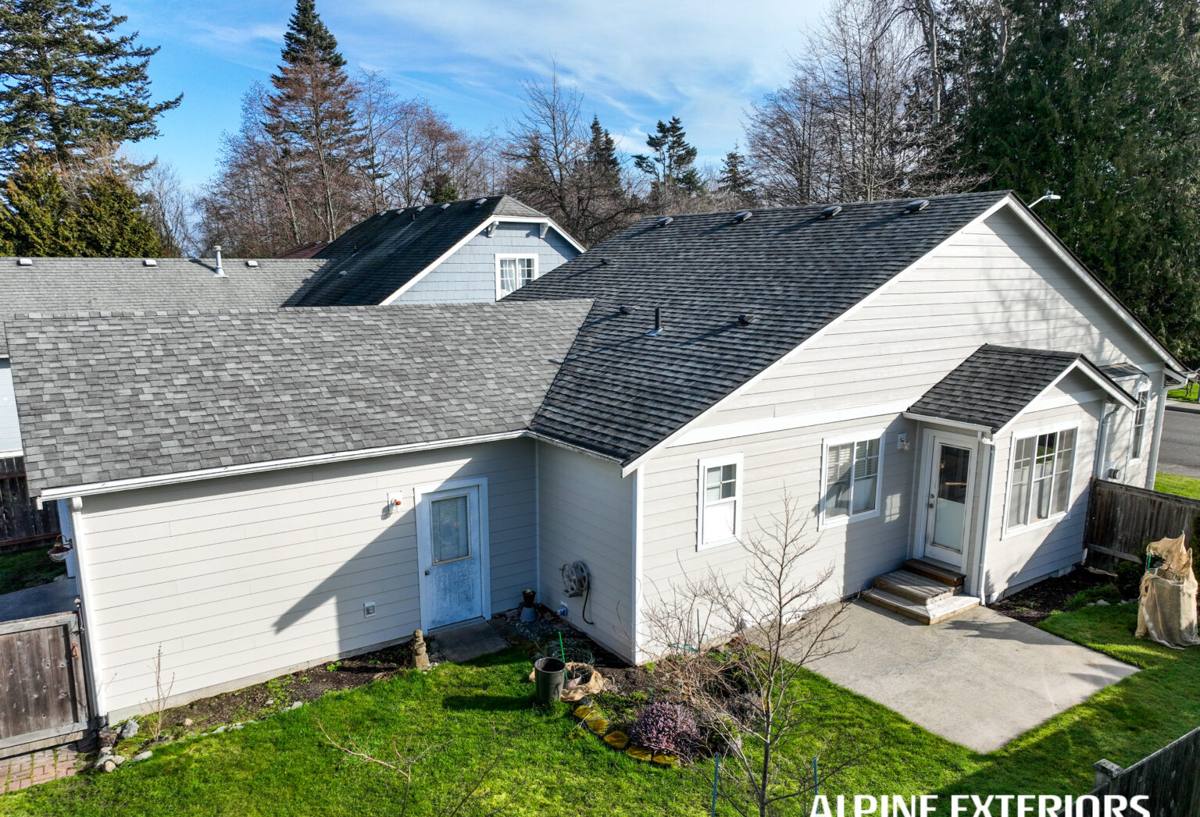
What Venice's Climate Does to a Home's Exterior
Salt Air and Corrosion
Proximity to the Gulf means airborne salt is a constant, not an occasional event. Salt-laden air accelerates the breakdown of paint film, corrodes fasteners, and speeds up deterioration in materials that weren't engineered to resist it. This is a year-round condition in Venice, not something that only shows up after a storm.
UV Exposure
Florida's sun is intense and the exposure is nearly constant. Coatings and finishes that aren't formulated for that level of UV load chalk, fade, and become brittle faster than manufacturers' generic warranty language usually implies. On south- and west-facing walls in particular, this shows up as uneven fading and premature finish failure within just a few years on lower-grade products.
Wind-Driven Rain
Rain in this region rarely falls straight down. Storms push it sideways, forcing water into seams, laps, and fastener penetrations that would stay dry in calmer climates. Siding systems with weak moisture management — or installation details that don't account for wind-driven rain — end up trapping water behind the surface, which leads to rot, mold, and hidden structural damage long before the siding itself looks obviously bad.
Hurricane-Force Wind
Sarasota County sits in a high-velocity hurricane zone, and Venice's coastal location puts it squarely in the path of tropical systems. Siding here has to stay fastened and intact under sustained high winds and flying debris, not just resist everyday weather. This is a structural consideration as much as a cosmetic one.
Why We Only Install James Hardie
We get asked regularly why we don't offer vinyl or LP SmartSide as lower-cost options. The honest answer is that we've made a professional judgment call based on how these products actually perform in a coastal Florida climate over years, not just how they look at installation.
Vinyl Siding
Vinyl is affordable and easy to install, and for a lot of climates it's a reasonable choice. In Venice's heat and UV load, vinyl tends to soften, warp, or become brittle faster than in cooler regions, and it has real limits on wind resistance compared to fiber cement — a meaningful factor in a hurricane-exposed area. It also isn't fire-resistant, which matters to some homeowners weighing long-term risk.
LP SmartSide and Other Wood-Based Products
Engineered wood siding products have improved over the years, but they're still wood-based, which means they're more sensitive to sustained moisture exposure than fiber cement. In a climate with high humidity, salt air, and wind-driven rain, that moisture sensitivity is a bigger long-term liability than it would be in a drier part of the country. Edge swelling and seam failure are the most common issues we see when these products are installed in coastal conditions.
Why Hardie Instead
James Hardie fiber cement is engineered specifically for the moisture and pest resistance that wood-based products struggle with, and it carries a Class 1(A) non-combustible fire rating that vinyl can't match. Hardie also produces climate-specific product lines engineered for high-humidity, high-UV regions like ours, with factory-applied ColorPlus finishes designed to resist fading in intense sun far longer than field-applied paint. It's a heavier, more labor-intensive product to install correctly, which is part of why it costs more upfront — but for a Venice home facing this climate for decades, we think that trade-off is worth explaining honestly rather than glossing over.
James Hardie Product Lines We Install
| Product | Best Use | Notes for Venice Homes |
|---|---|---|
| HardiePlank Lap Siding | Most common siding replacement | Available in multiple textures; HZ5 formulation engineered for humid climates |
| HardieShingle | Accent areas, gables | Coastal cottage or Florida vernacular look without wood's moisture risk |
| HardiePanel Vertical Siding | Modern facades, porch accents | Clean lines, often paired with lap siding for visual contrast |
| HardieTrim | Fascia, corners, window trim | Resists the rot that's common with wood trim in coastal humidity |
| ColorPlus Technology | Factory finish on all lines | Baked-on finish formulated for UV and fade resistance; reduces repainting cycles |
Hardie manufactures its products in climate-specific formulations, and for a Gulf Coast property we specify the HZ5 line engineered for high humidity and moisture exposure, rather than a generic formulation meant for drier regions of the country.
What Correct Installation Actually Involves
Fiber cement siding is only as good as its installation. Hardie's own warranty terms depend on installation following their specifications, and in a wind- and moisture-exposed area like Venice, the details matter more than they would somewhere calmer.
- Proper starter strips and clearances so water sheds away from the wall assembly instead of pooling against it
- Correct fastener type, spacing, and penetration depth — under- or over-driven fasteners are one of the most common causes of early siding failure
- A weather-resistant barrier installed behind the siding to manage any moisture that does get past the surface
- Proper flashing at windows, doors, and roof intersections, which are the most common points for wind-driven rain to find a way in
- Correct joint and seam treatment to prevent water intrusion at laps and butt joints
- Caulking and sealing appropriate to a high-UV, high-salt environment, not a generic interior-grade product
Skipping or rushing any of these steps is how a quality product ends up with a shortened lifespan. It's also why we don't treat installation as a commodity service — the crew doing the work matters as much as the material they're installing.
A Full Exterior Approach: Siding, Roofing, Windows, and Decks
Siding doesn't work in isolation. On a home facing Venice's combination of sun, salt, and storm exposure, the roof, windows, and siding all need to function together to keep water out and hold up under wind load. We handle all four exterior categories — siding, roofing, windows, and decks — because gaps between trades are a common source of leaks and failures that show up years later. A window installed without proper flashing coordination with the surrounding siding, or a deck ledger board attached without accounting for moisture behind the wall, can undermine work that was otherwise done correctly.
When we're on a Venice property for a siding project, we're looking at the whole exterior envelope, not just the walls, and we'll tell you honestly if something else needs attention rather than staying narrowly focused on the scope we were called for.
Why a Local Crew Matters in Venice
Sarasota County enforces wind-load and building code requirements that reflect its hurricane exposure, and those requirements affect fastening schedules, flashing details, and product specifications for exterior work. A crew that regularly works in this county understands those requirements as routine practice, not something they have to look up. Local experience also means understanding how a barrier island and coastal property in Venice differs from an inland home even a few miles away — exposure to salt air and wind-driven rain isn't uniform across the county, and a contractor who works here regularly accounts for that in how they spec and install a job.
Permitting, inspections, and manufacturer warranty registration also go more smoothly with a contractor who has an established, ongoing presence in the area rather than a crew passing through for a single project.
What to Look for When Hiring a Siding Contractor in Venice
- Manufacturer certification or training specific to James Hardie products, not just general siding experience
- A written scope that specifies the exact Hardie product line and climate formulation being used
- Proof of proper licensing and insurance for exterior contracting work in Florida
- A clear explanation of flashing and moisture-barrier details, not just the visible finish product
- Willingness to explain trade-offs between siding options honestly, rather than steering you toward whatever is easiest or cheapest to install
- References or a track record of work specifically in coastal Sarasota County conditions
Get a Free Estimate for Your Venice Home
If you're weighing a siding replacement, storm-damage repair, or a fuller exterior update in Venice, we're happy to walk the property, explain what we're seeing, and put together a straightforward estimate — no pressure and no hard sell. The form below is the easiest way to get started.