 Sarasota Siding
 Why Venice Roofs Take More Punishment Than Most
A roof in Venice works harder than a roof almost anywhere inland. This stretch of the Gulf coast in Sarasota County sits directly in the path of tropical systems, gets some of the most intense year-round sun in the continental United States, and sits close enough to saltwater that airborne salt reaches homes well away from the beach itself. None of that is unique knowledge — anyone who has lived here through a summer or a storm season already knows it. What matters is whether the roof over your head was actually built to handle it, or just built to code minimums and hoped for the best.
Wind is not something you can fix later
Once shingles or tile are fastened down, the wind resistance of that roof is locked in. Underlayment choice, nailing pattern, starter course installation, and edge detailing all determine how a roof performs in sustained hurricane-force gusts — and every one of those decisions happens during installation, not after. A roof that looks fine from the driveway can still be under-fastened at the ridge or missing proper drip edge attachment, and you won't know until wind finds the weak point.
UV load degrades materials from day one
Florida sun breaks down roofing materials faster than in most of the country. Asphalt shingle granules erode, sealant strips lose their bond, and lesser-grade underlayments become brittle years before their rated lifespan. A roof installed with UV-rated materials and correct ventilation ages very differently than one that wasn't.
Salt air accelerates corrosion
Metal flashing, fasteners, vent stacks, and drip edge all corrode faster this close to the Gulf. Using standard-grade metal components instead of coastal-rated hardware is one of the more common shortcuts that shows up as rust stains and failed flashing seams within a few years, long before the shingles or tile themselves are due for replacement.
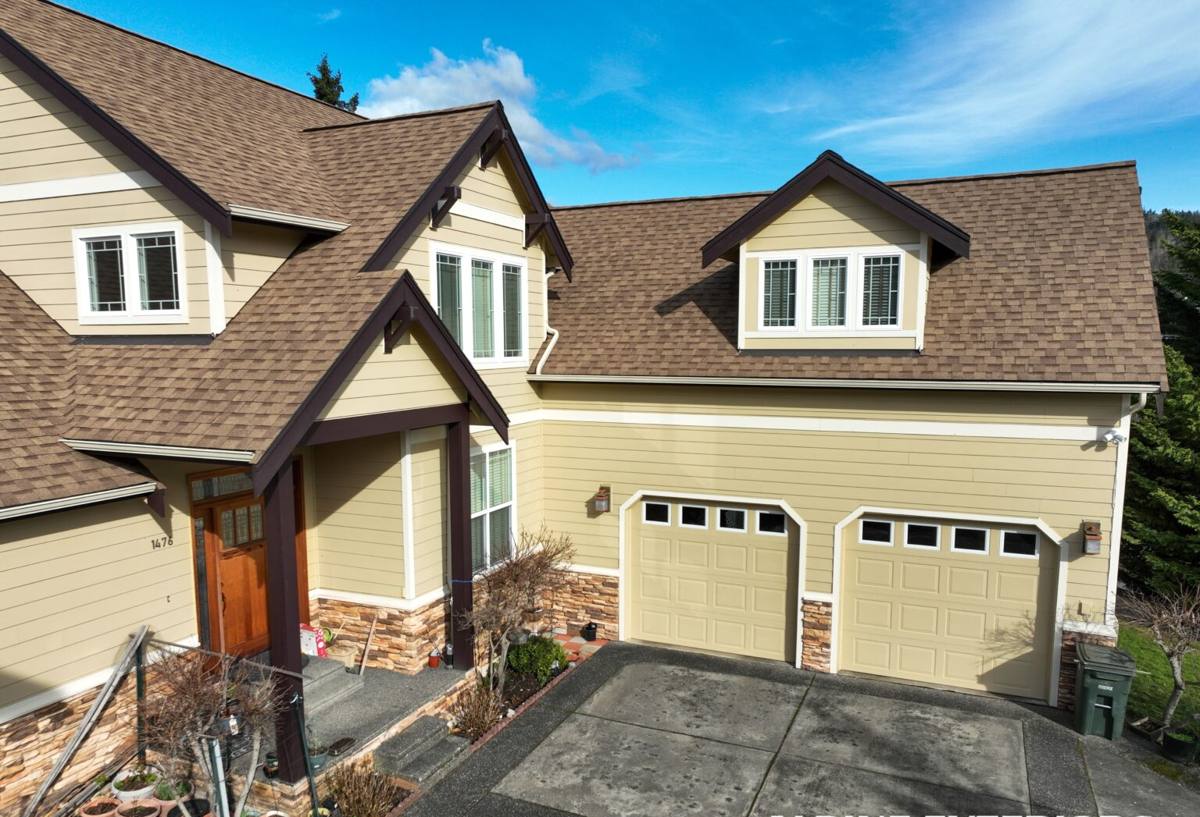
Signs a Venice Home Needs a New Roof, Not Another Repair
Roof repairs make sense when the damage is isolated and the roof underneath is otherwise sound. A full replacement makes sense when the roof's overall condition, age, or storm exposure means repairs are just delaying the inevitable at increasing cost. Some signs point clearly toward replacement:
- Shingles that are cupping, curling, or losing granules across large sections rather than one spot
- Multiple past repairs in different areas, suggesting the underlayment or decking is failing broadly
- Visible sagging anywhere in the roof plane, which can indicate deck or structural issues
- Daylight or water stains in the attic near multiple penetrations, not just one flashing point
- A roof approaching or past the manufacturer's rated lifespan, especially after several hurricane seasons
- Rising insurance premiums or a carrier flagging roof age or condition at renewal
If only one or two of these apply, a repair may still be the honest answer. We'll tell you that directly rather than push a replacement a roof doesn't need yet.
Choosing a Roofing System That Fits Venice's Climate
There is no single "best" roofing material for every home — the right choice depends on your roof structure, budget, and how much long-term maintenance you want to take on. Here's how the common options actually compare for a coastal Sarasota County home:
| Material | Typical Wind Performance | Expected Lifespan | Maintenance | Upfront Cost |
|---|---|---|---|---|
| Architectural asphalt shingle | Good, with proper fastening and rated products | 20-30 years | Low to moderate | Lower |
| Concrete or clay tile | Very good, with correct fastening system | 40-50+ years | Moderate (periodic re-bedding/flashing checks) | Higher |
| Standing seam metal | Excellent when properly installed | 40-60 years | Low | Higher |
| 3-tab asphalt shingle | Lower than architectural shingle | 15-20 years | Low to moderate | Lowest |
We generally steer homeowners away from 3-tab shingle on new installations in this area — not because it's a bad product everywhere, but because its lighter weight and simpler tab design give it less wind resistance than architectural shingle for only a modest cost difference. That's a trade-off judgment based on what holds up here, not a knock on any manufacturer.
What Correct New Roof Installation Actually Involves
Tear-off and deck inspection
A proper installation starts with a full tear-off down to the decking, not a layover. That's the only way to actually see the deck — soft spots, delamination, or old water damage hiding under the existing roof. Any compromised decking gets replaced before anything new goes down; installing over a weak deck undermines everything above it, no matter how good the shingle or tile is.
Underlayment and flashing
Underlayment is the roof's second line of defense against wind-driven rain, which in this area can drive water sideways under shingles that would otherwise shed a normal vertical rain. Self-adhering, high-wind-rated underlayment at eaves, valleys, and around penetrations matters more here than in drier, calmer climates. Flashing at chimneys, walls, and roof-to-wall transitions has to be formed and layered correctly — most roof leaks trace back to flashing, not the field of the roof itself.
Fastening pattern and wind rating
Nailing pattern, fastener type, and starter strip installation determine the roof's actual wind rating in practice, regardless of what the shingle package says. Enhanced nailing patterns and rated fastening schedules are what let a roof carry a real high-wind rating instead of just a marketing number.
Ventilation
Balanced intake and exhaust ventilation keeps attic temperatures and moisture in check. Without it, heat and humidity build up under the deck, shortening shingle life from underneath and creating conditions for wood rot and mold that have nothing to do with the roof surface itself.
Permits, Code, and Wind Mitigation in Sarasota County
New roof installations in Venice require a building permit through Sarasota County (or the City of Venice, depending on the property's jurisdiction), and the work has to meet current Florida Building Code wind-load requirements for this region. That means specific fastening schedules, underlayment requirements, and inspection sign-offs — not just "install it and move on." A legitimate roofing contractor pulls the permit, schedules the required inspections, and closes out the permit properly when the job is done. Skipping that step, or having a homeowner pull an owner-builder permit for a job they aren't doing themselves, is a red flag worth asking about directly.
Once the new roof passes final inspection, it's worth having a wind mitigation inspection done. Florida insurers offer premium credits for verified wind-resistant features — roof shape, secondary water resistance, roof-to-wall connections, and opening protection all factor in. A new roof installed to current code often qualifies for meaningfully better mitigation credits than an older roof did, which can offset part of the replacement cost over time through lower premiums.
Our Installation Process, Start to Finish
- On-site evaluation. We inspect the existing roof, attic ventilation, and any visible deck issues, and talk through material options that fit your home and budget.
- Written estimate. A clear scope of work and price, with material and labor spelled out — no vague allowances.
- Permitting. We pull the required permit through the local jurisdiction before work begins.
- Tear-off and deck inspection. Old roofing comes off, decking is inspected and repaired where needed.
- Underlayment and flashing installation. Installed to the wind-rated specifications appropriate for this area.
- Material installation. Shingle, tile, or metal installed per manufacturer specification and enhanced fastening schedule.
- Ventilation and detail work. Vents, flashing, and penetrations finished and sealed correctly.
- Cleanup. Job site and yard cleared of debris, nails, and old material.
- Final inspection and close-out. The local building department signs off, and we walk the finished roof with you.
What Happens After Installation: Maintenance and Storm Readiness
A new roof still needs occasional attention, especially in this climate. Gutters and valleys should be kept clear so water doesn't back up under the shingle or tile edge during heavy rain. After any named storm with sustained high winds, a quick visual check — from the ground, not the roof — for missing or lifted shingles, damaged ridge caps, or debris impact is worth doing. Most manufacturer warranties also require some minimal maintenance and prompt repair of incidental damage to stay valid, so it's worth keeping a copy of your warranty paperwork and knowing what it actually requires.
What to Ask Before You Hire a Roofer in Venice
- Are you licensed with the State of Florida as a roofing contractor, and can you provide that license number?
- Do you carry general liability and workers' compensation insurance, and can you provide certificates?
- Will you pull the permit yourself, and who handles the required inspections?
- What underlayment and fastening schedule do you use for this area's wind requirements?
- What does the manufacturer's warranty cover, and does your installation qualify for an enhanced warranty tier?
- Can you provide a written estimate with materials and labor itemized, not a lump sum?
Any established local roofer should answer these without hesitation. Hesitation, vague answers, or pressure to sign quickly are the clearest warning signs in this trade.
Why a Crew That Already Works in Venice Matters
A roofing crew that regularly works Venice and the surrounding Sarasota County area already knows the local permitting process, the inspectors, and the wind-load requirements that apply here — none of that has to be figured out mid-project. They've also seen how different materials and installation shortcuts actually hold up against real Gulf coast weather over years, not just on a spec sheet. That local track record is worth more than a lower bid from a crew unfamiliar with this coastline's specific demands.
If you're weighing a repair against a full replacement, or just want an honest read on your current roof's condition, we're happy to take a look. Use the form below to request a free, no-pressure estimate — we'll walk the roof, tell you what we actually see, and give you a clear, itemized quote with no obligation.