 Sarasota Siding
 Why Siding Fails Faster in Sarasota Than Almost Anywhere Else
Siding in Sarasota County works harder than siding almost anywhere else in the country. Between hurricane-force wind events, months of intense, direct UV exposure, wind-driven rain that gets pushed sideways into wall assemblies, and a steady dose of salt air rolling in off the Gulf, exterior cladding here takes a beating that siding in a drier or cooler climate never has to deal with. That combination doesn't just make siding look worn out sooner — it accelerates the underlying failure modes: moisture intrusion, fastener corrosion, substrate rot, and coating breakdown.
The problem is that most of this damage starts small and hidden. By the time a homeowner notices something is obviously wrong, water has often already been getting behind the siding for months or years. Catching the early warning signs — and knowing which ones are cosmetic versus which ones mean active damage — is the difference between a manageable repair and a full siding replacement with rotted sheathing underneath.
Cracking, Splitting, or Buckling Panels
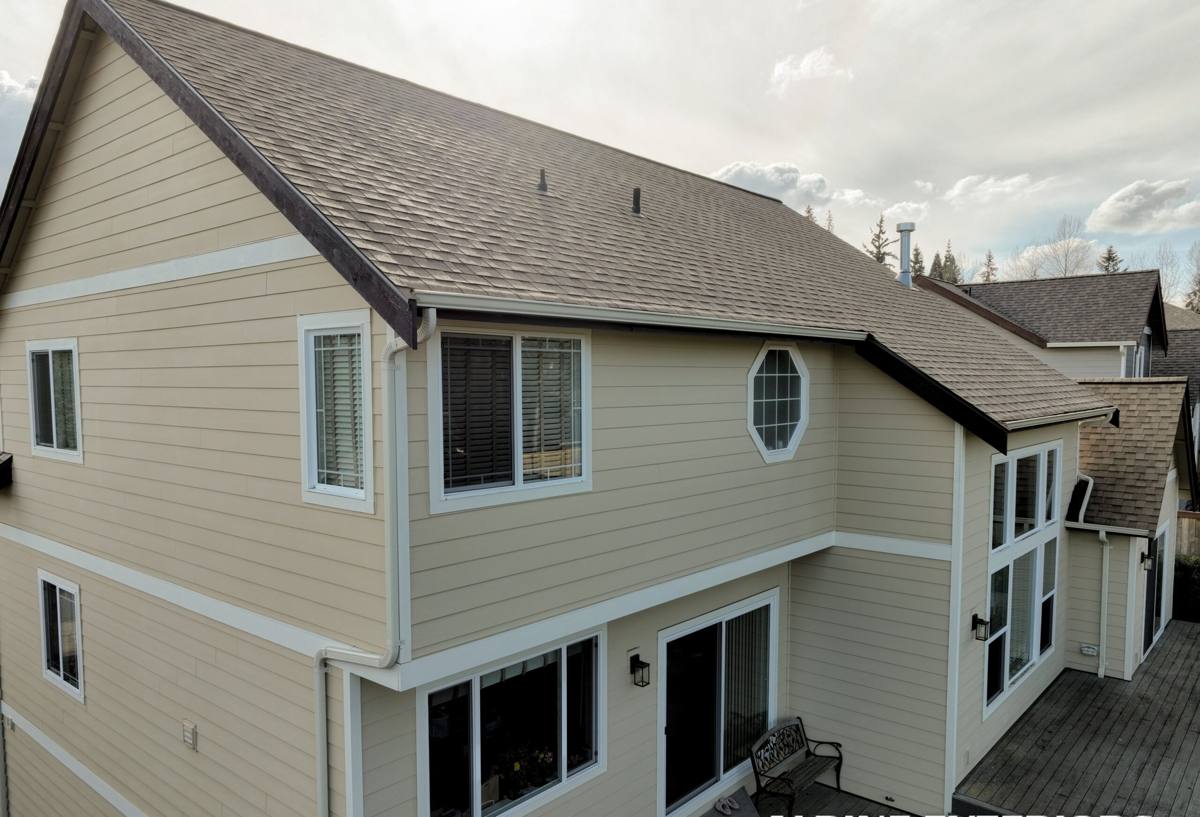
Cracks are the most obvious warning sign, but not all cracks mean the same thing. Hairline cracking on the surface of a panel, especially near fastener points, usually points to material fatigue from expansion and contraction cycles — something that happens constantly in Sarasota's swing between hot, humid days and cooler nights. Larger splits that run through the panel, or panels that visibly bow or buckle away from the wall, are a different story. That usually means the panel has absorbed moisture, swollen, and lost its structural integrity, or that it wasn't installed with the correct expansion gaps to begin with.
Buckling is particularly common after a wind event. Even when a storm doesn't rip siding off outright, sustained hurricane-force gusts can loosen fasteners and flex panels just enough to break the seal at seams and laps, setting up water intrusion that shows up weeks or months later.
What to Look For
- Cracks radiating from nail or screw heads
- Panels that no longer sit flush against the wall
- Visible gaps opening up at butt joints or corners
- Splits that widen after rain, then seem to close up when dry
Soft, Spongy, or Discolored Spots
Press gently on siding near the bottom of walls, around window and door trim, and near any roof-to-wall transitions. If it gives under light pressure or feels soft compared to the surrounding material, there's a good chance moisture has gotten behind it and started breaking down either the siding itself or the wood sheathing behind it. This is one of the most important signs to catch early, because soft spots rarely stay isolated — once water finds a path in, it spreads sideways and downward through a wall assembly.
Wood-based siding products (untreated spruce, cedar, and some engineered wood products) are especially prone to this failure mode once a coating breach lets water in, because the wood substrate itself absorbs and holds moisture. Discoloration — dark streaking, a slightly different sheen, or a color that looks "off" compared to the rest of the wall — is often the first visible clue before the softness becomes obvious.
Paint or Finish That's Bubbling, Peeling, or Chalking
Sarasota's UV exposure is relentless almost year-round, and it's brutal on factory finishes and field-applied paint alike. A finish that's simply fading evenly over many years is normal wear. A finish that's bubbling, peeling in sheets, or chalking heavily (leaving a powdery residue on your hand when you wipe it) is telling you something more specific is going wrong.
Bubbling and peeling almost always mean moisture is trying to escape from behind the coating — water got in somewhere, and now it's pushing the finish off from the inside as it evaporates. Heavy chalking usually means the finish itself has broken down chemically under UV exposure faster than it should have, which leaves the substrate underneath unprotected from the next round of wind-driven rain.
| Finish Symptom | Likely Cause | Urgency |
|---|---|---|
| Even, gradual fading | Normal UV wear over years | Low — monitor |
| Chalking, powdery residue | Coating breakdown from UV exposure | Medium — plan for refinish or replacement |
| Bubbling or blistering | Trapped moisture pushing through the finish | High — investigate moisture source |
| Peeling in sheets | Coating adhesion failure, often moisture-related | High — inspect substrate condition |
Gaps, Warping, and Loose Panels at Seams and Corners
Corners, seams, and the areas around windows and doors are where siding systems are most likely to fail first, because they involve the most joints, flashing details, and caulk lines — every one of which is a potential entry point for water. Warping at these transition points, visible gaps where panels used to meet tightly, or trim that's pulling away from the wall are all signs that either the original installation didn't account for Florida's humidity and thermal movement, or that repeated wind and rain cycles have worked the joints loose over time.
This is also where salt air does some of its quietest damage. Salt-laden moisture accelerates corrosion on exposed fasteners, and once a fastener starts to corrode and lose its grip, the panel it's holding starts to work loose with every wind gust — which widens the gap, which lets in more moisture, which accelerates the corrosion further. It's a cycle that gets worse the longer it's ignored.
Rising Energy Bills and Drafts You Can Feel
Siding isn't just a weather barrier — it's part of your home's building envelope. When siding fails, it usually takes the underlying weather-resistant barrier and insulation performance down with it. If you've noticed rooms that feel drafty near exterior walls, or your cooling costs have crept up without an obvious reason, failing siding and compromised flashing details are worth ruling out. This sign gets missed constantly because homeowners look for a mechanical explanation (the AC unit, the ductwork) before they think to look at the exterior walls themselves.
Recurring Mold, Mildew, or Staining
Some mildew staining on exterior surfaces is close to unavoidable in Sarasota's humidity, and a simple wash usually handles it. What's a genuine warning sign is mold or mildew that keeps coming back in the same spot within weeks of cleaning it, or staining that appears on interior walls or ceilings near an exterior wall line. That pattern points to a consistent moisture source — a breach in the siding or flashing that's feeding the growth every time it rains, rather than a one-time surface issue.
Pay particular attention to north-facing walls and areas that stay shaded most of the day, since they dry out more slowly after wind-driven rain and give mold and mildew more time to establish before the surface fully dries.
What Happens If These Signs Get Ignored
The cost of a siding problem rarely stays flat while you wait. What starts as a repair limited to a few panels can turn into replacing wall sheathing, wall studs, and insulation if water intrusion is left unaddressed through a few more storm seasons. The table below is a general guide to how the scope — and the cost range — tends to escalate the longer a warning sign goes unaddressed.
| Stage | Typical Scope | Relative Cost |
|---|---|---|
| Early sign caught (cracking, chalking, minor gaps) | Spot repair or panel replacement | Lowest |
| Moisture actively intruding (soft spots, staining) | Section replacement, possible sheathing repair | Moderate |
| Long-term unaddressed intrusion | Sheathing and framing repair plus full re-siding of the affected wall or home | Highest |
Beyond dollars, there's a timing risk specific to this region: siding damage discovered right before or during hurricane season leaves a home more vulnerable to wind-driven rain intrusion at exactly the time of year when storms are most likely to test it.
A Simple Self-Inspection Checklist
You don't need special tools to do a basic walk-around inspection a couple of times a year — ideally before hurricane season ramps up and again in the fall. Here's what to check:
- Walk the full perimeter and look at wall surfaces at eye level and above, including areas partially hidden by landscaping
- Press gently on siding near the base of walls, below windows, and near roof-to-wall intersections
- Check caulk lines at trim, corners, and penetrations (hose bibs, vents, light fixtures) for cracking or gaps
- Look for streaking, staining, or recurring mildew in the same spots after cleaning
- Check for chalking by wiping a hand across a shaded section of siding
- Note any rooms with new drafts or unexplained increases in cooling costs
- After any significant storm, do a focused check for loose panels, new gaps, or debris impact damage
Why Material Choice Matters for What Comes Next
When a home reaches the point of a real siding decision — whether that's targeted repair or full replacement — the material you choose determines how many of these warning signs you'll be dealing with again in five or ten years. This is exactly why we standardized on James Hardie fiber cement siding rather than installing a mix of products. Hardie's HZ5 product line is engineered specifically for high-humidity, high-moisture climates like Gulf Coast Florida, its ColorPlus factory finish is baked on to resist the fading and chalking that UV exposure causes on field-applied paint, and fiber cement doesn't feed mold growth or rot the way wood-based products can once moisture gets behind them. Correct installation — proper flanges, fastener patterns, and clearances — matters just as much as the material itself, which is why we install every job to Hardie's specification rather than cutting corners on the details that determine whether a wall stays dry.
If you're noticing any of the warning signs above, or you'd just like a second opinion on how your siding is holding up, we're happy to take a look. Reach out for a free, no-pressure estimate — someone will walk the exterior with you, point out what we see, and give you an honest read on what does and doesn't need attention.