 Sarasota Siding
 Rosemary District sits just north of downtown Sarasota, close enough to the bay that salt air is a constant companion and close enough to the water that every named storm gets your full attention. It's a neighborhood in transition — a mix of older cottages and bungalows from Sarasota's earlier decades standing alongside newer infill construction, townhomes, and renovated properties as the area has redeveloped over the past several years. That mix matters for siding decisions, because a 60-year-old exterior wall and a five-year-old one fail in different ways and on different timelines, even when they're facing the identical weather.
And the weather in this part of Sarasota County doesn't cut anyone a break. Hurricane-force winds test every fastener and seam. Intense, nearly year-round UV bakes paint and substrate. Wind-driven rain finds every gap in flashing and trim. Salt air works on metal and lesser materials day in and day out, whether a storm is anywhere nearby or not. Siding here isn't just a finish — it's the first line of defense for the wall assembly behind it, and it needs to be treated that way.
What Rosemary District Homes Are Up Against
Being a few minutes from downtown and the bay means Rosemary District gets the same coastal exposure as the rest of Sarasota, sometimes with less tree cover to break the wind than you'd find further inland. A few things stand out for this specific pocket of the city:
Older Housing Stock, Newer Additions
Because the neighborhood has seen real redevelopment, we run into everything from original mid-century cottages to recently built homes and townhomes. Older siding in this area has often been through decades of Gulf Coast sun and storms — repainted repeatedly, patched in places, and past the point where another coat of paint solves the underlying problem. Newer construction, meanwhile, needs siding installed correctly the first time, because a install-level mistake on a five-year-old home is a lot more disappointing — and more expensive to fix — than one on a 60-year-old home already due for a full re-side.
Proximity to the Bay
Salt-laden air doesn't need a storm to do damage. It's corrosive to exposed metal fasteners and trim year-round, and it accelerates the breakdown of siding materials that weren't engineered with a coastal climate in mind. Homes closer to open water — and Rosemary District isn't far from it — see this effect more than homes several miles inland.
Wind and Wind-Driven Rain
Sarasota County sits squarely in a hurricane-prone stretch of the Gulf Coast. Wind loads on exterior walls during a named storm are significant, and wind-driven rain gets pushed sideways and upward under laps and around trim in ways that gravity-fed rain never does. Siding that isn't rated for the exposure, or that wasn't installed with the right flashing and clearances, is where water intrusion problems start — often invisibly, behind the wall, long before anyone notices.
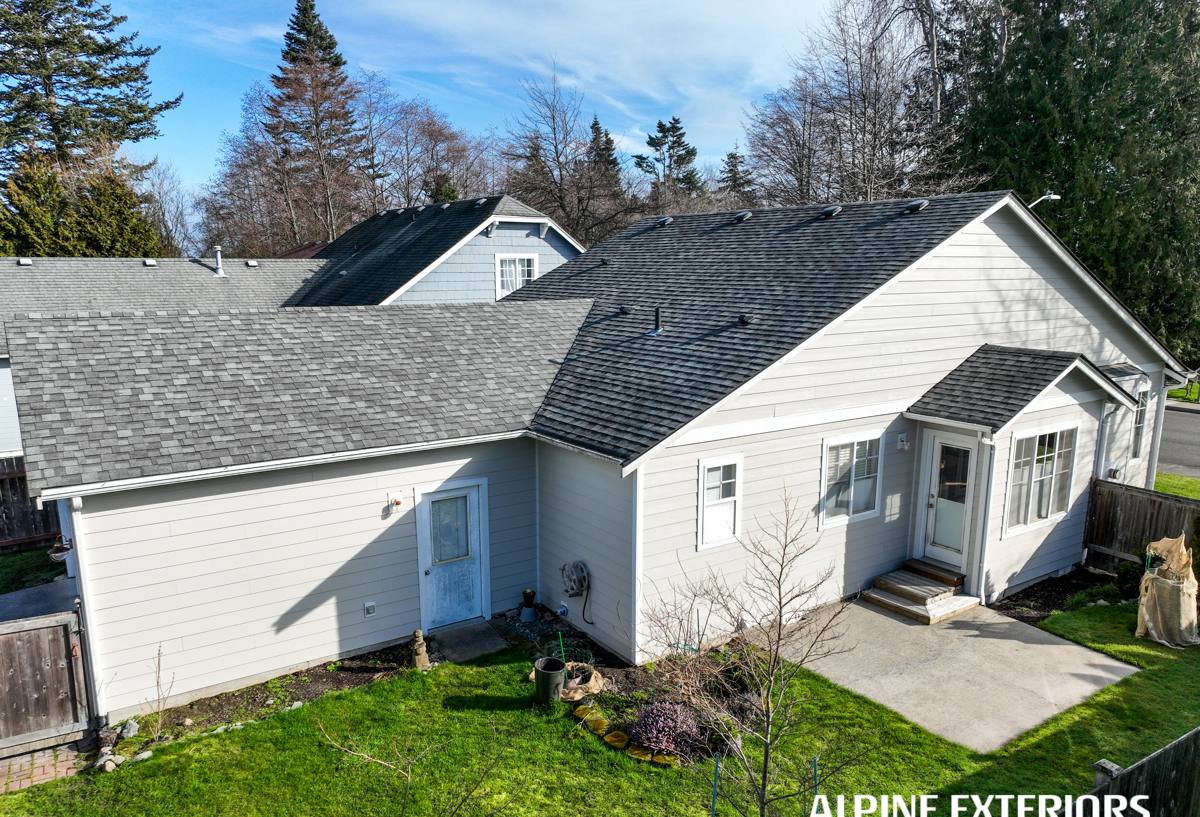
Why We Only Install James Hardie Fiber Cement
We made a decision a long time ago to install one siding system: James Hardie fiber cement. We don't install vinyl, LP SmartSide, Cemplank, Allura, or primed wood siding like spruce or cedar. That's not a marketing position — it's a standard we hold because of what we see in this climate, repeatedly.
The Honest Trade-Offs of the Alternatives
Every siding material has legitimate strengths. Vinyl is inexpensive and low-maintenance in mild climates. Engineered wood products like LP SmartSide have improved a lot and offer a warmer, more traditional look at a lower cost than fiber cement. Primed wood siding has real curb appeal for the right buyer. But in a coastal, hurricane-exposed climate like Sarasota County's, each comes with trade-offs we're not willing to install and then have to explain to a homeowner three years later:
- Vinyl can deform, crack, or blow off in sustained high winds, and it fades faster under intense, near-constant Florida UV than most homeowners expect.
- Wood-based products (LP SmartSide, primed spruce, cedar) depend on an intact paint or sealant layer to keep moisture out; once that layer is compromised by sun, storms, or age, the substrate underneath is vulnerable to swelling and rot.
- Some fiber cement competitors (Cemplank, Allura) are reasonable products, but we've standardized on one manufacturer, one factory finish system, and one warranty structure so we can stand behind every install with full confidence and consistent parts availability.
None of that means these products are junk. It means that after years of doing exterior work in this specific climate, we decided we'd rather install fewer options and get the fit, finish, and long-term performance right, than offer a menu of products with different maintenance burdens and different failure modes.
What James Hardie Gets Right for This Climate
James Hardie fiber cement is non-combustible, resists moisture-driven swelling and rot far better than wood-based sidings, and holds up to UV without the chalking and fading that plagues lower-grade products. Hardie's ColorPlus factory-applied finish is baked on under controlled conditions rather than field-painted, which means better adhesion and color consistency than a job-site paint job can typically achieve. Hardie also engineers specific product lines — HZ5 among them — for humid, high-moisture climates like Florida's, rather than shipping the same board to every region of the country. Backed by a strong, transferable manufacturer warranty, it's the system we're willing to put our name behind on every home we side, in Rosemary District or anywhere else in Sarasota County.
Siding Installation Done Right
Fiber cement performs the way it's supposed to only when it's installed to the manufacturer's specifications. That's true everywhere, but it matters more in a hurricane zone with salt air and heavy seasonal rain. Correct installation means:
- Proper clearances between siding and grade, roof lines, and other flashing points, so water has somewhere to go
- Correct fastener patterns and spacing rated for high-wind zones
- Properly lapped and sealed house wrap or moisture barrier behind the siding
- Flashing details at windows, doors, and penetrations that account for wind-driven rain, not just vertical rain
- Factory-finished panels and trim installed without damaging the ColorPlus coating, preserving the warranty
Skipping any one of these steps doesn't usually cause an immediate, visible problem. It shows up two, five, or ten years later as a moisture issue behind the wall — which is exactly the kind of expensive, hidden failure that a homeowner should never have to discover after the fact.
Roofing, Windows, and Decks: The Rest of the Envelope
Siding is one piece of a home's defense against Sarasota's climate, not the whole picture. We also handle roofing, windows, and decks, because a home's exterior only performs as well as its weakest component:
Roofing
A roof takes the most direct hit from hurricane winds and UV of any part of the house. Roofing issues — lifted shingles, failed flashing, worn underlayment — often show up as leaks that get blamed on siding or windows when the roof is the actual source.
Windows
Older windows in a neighborhood with a housing stock as varied as Rosemary District's are frequently a bigger source of air and water infiltration than the siding around them. Impact-rated, properly flashed windows work together with the siding system to keep wind-driven rain out during a storm.
Decks
Outdoor living spaces in this climate take a beating from sun and humidity nearly year-round. Decking material and fastener choice matter as much here as siding material choice does.
Cost Factors for a Rosemary District Siding Project
Every home is different, but the following factors consistently move the price of a siding project up or down. This is meant to help you think through your own project, not to substitute for an on-site estimate.
| Factor | Why It Matters |
|---|---|
| Home size and wall complexity | More corners, gables, and dormers mean more cutting, trim work, and labor time |
| Condition of the substrate | Rotted sheathing or water damage found during tear-off adds repair scope before new siding goes on |
| Siding profile and accessories | Lap width, trim style, and accent details (soffit, fascia, trim boards) affect material cost |
| Age and type of existing siding | Removal and disposal effort varies significantly between old wood siding and vinyl over sheathing |
| Access and site conditions | Tight lots, mature landscaping, or multi-story sections affect scaffolding and labor time |
Why a Local Crew Matters Here
A crew that works Sarasota County regularly understands things a national or out-of-area contractor doesn't: how the wind behaves off the bay, what wind-driven rain does to flashing details that would be adequate somewhere else, and how quickly UV and salt air degrade a job that wasn't detailed correctly. We've seen what happens when siding is installed to a generic spec instead of a coastal one, and we build every project around the climate actually in front of us rather than a national average.
A Few Things Worth Checking Before You Hire Anyone
- Ask what siding material they install and why — and be wary of a contractor who installs "whatever the customer wants" with no stated standard
- Confirm they carry current Florida contractor licensing and insurance, and ask to see it
- Ask specifically how they handle flashing at windows, doors, and roof intersections
- Ask whether the manufacturer's warranty is transferable if you sell the home
- Get a written scope of work, not just a price — vague estimates lead to change orders
If your home in Rosemary District is due for new siding, or you're weighing options after storm damage or years of deferred maintenance, we're happy to take a look and walk you through what we'd recommend and why. Reach out for a free, no-pressure estimate — there's a form right below to get started.