 Sarasota Siding
 Why Rosemary District Decks Need a Different Approach
Rosemary District sits close to downtown Sarasota, and the mix of properties there is unusual for the area: older bungalows getting careful renovations sit next to newer infill builds, often on smaller urban lots with less setback and more exposure to reflected heat and street-level moisture than a deck out on a larger suburban parcel. A deck here has to do double duty — it needs to hold up to the same coastal weather every Sarasota County home deals with, and it often needs to fit a tighter footprint and match a renovation or a new build that's under more scrutiny from neighbors, buyers, or a review board than a typical backyard project.
That's the case for composite decking done right, not composite decking sold off a shelf. The material matters, but so does how it's framed, fastened, and finished for this specific location. Below is what we've learned building and replacing decks in this part of Sarasota, laid out plainly.
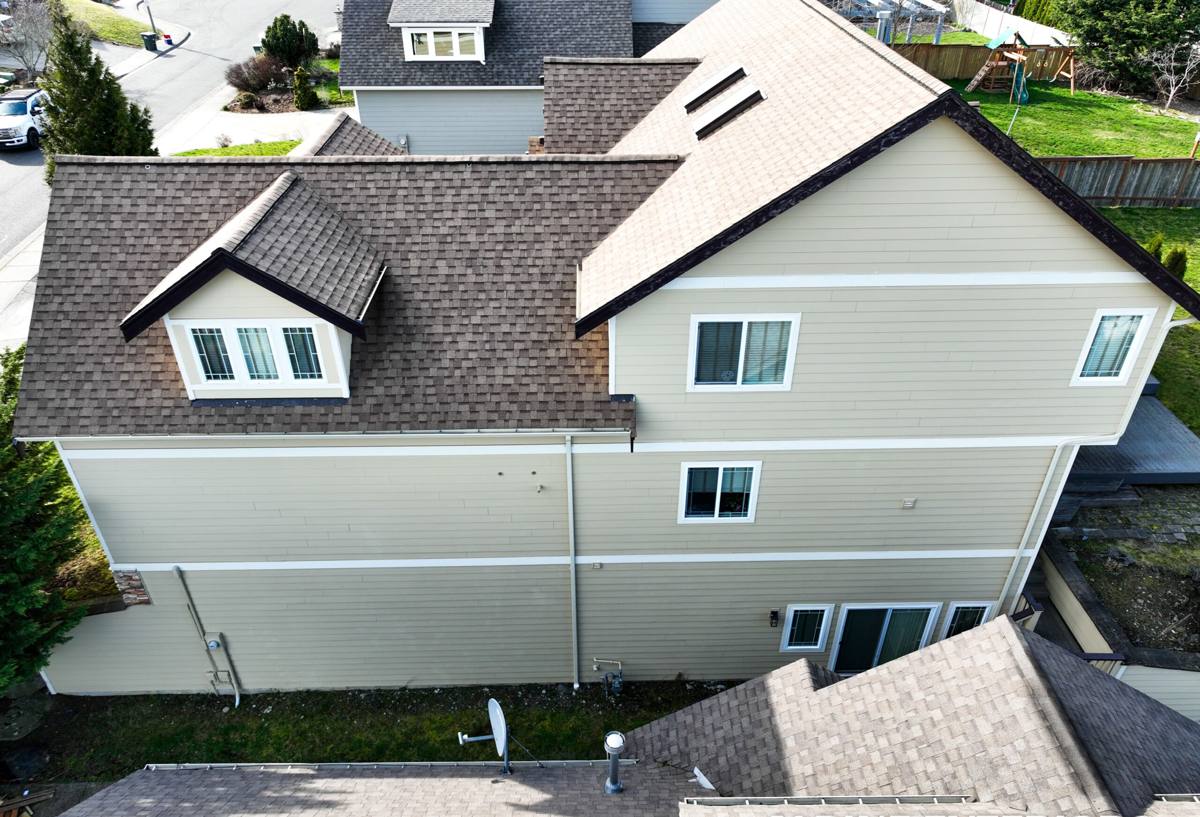
What Sarasota's Climate Actually Does to a Deck
Every deck material sold in Florida claims to be "built for the climate." Most of them are built for a generic coastal climate, not the specific combination Sarasota gets hit with.
Hurricane-Force Wind
Wind doesn't just push on a deck — it gets underneath it. Uplift on a deck surface and railing during a tropical storm or hurricane is a structural fastening problem, not a surface problem. A deck that looks fine can still have boards or railing sections that lift and separate if the substructure and hardware weren't sized for wind, not just weight.
Intense, Year-Round UV
Sarasota doesn't get a real off-season for sun exposure. UV degrades color and, in cheaper composite blends, the surface resin itself, leading to fading, chalking, or a rough, brittle feel over a few years. This shows up faster on decks with full afternoon sun exposure and less tree cover, which describes a lot of the newer construction going in around Rosemary District.
Wind-Driven Rain
Rain that comes in sideways during a storm gets forced into gaps, seams, and fastener points that would stay dry in a normal rain. Any place water can collect instead of shedding off the deck becomes a rot or corrosion risk over time, especially at the ledger board where the deck attaches to the house.
Salt Air
Rosemary District isn't right on the water, but Sarasota's whole coastal air carries enough salt content to accelerate corrosion on fasteners, brackets, and railing hardware over years, even a mile or more inland. Hardware choice matters here as much as it does on a barrier island property.
Composite Decking Compared to the Alternatives
Composite isn't the only decking material that can work in Sarasota, but it's the one that handles this specific combination of stressors with the least ongoing maintenance. Here's an honest comparison:
| Material | UV/Fade Resistance | Moisture Behavior | Maintenance | Typical Lifespan |
|---|---|---|---|---|
| Composite decking | Good to very good, depends on cap quality | Won't rot; can trap moisture if drainage is poor | Occasional wash, no staining/sealing | 25-30+ years |
| PVC decking | Very good | Fully moisture-proof | Low; can show heat expansion issues | 25-30+ years |
| Pressure-treated wood | Fades and grays without upkeep | Prone to rot/warping if not sealed regularly | Annual sealing/staining | 10-15 years |
| Tropical hardwood | Fades without oiling | Naturally rot-resistant but still needs care | Regular oiling, higher cost to maintain | 20-25 years |
We install composite on most Rosemary District projects because it strikes the best balance for this climate: it doesn't need annual sealing in a place where afternoon thunderstorms roll in most of the summer, and a quality cap resists the UV load without the fade problems that plague uncapped or budget boards.
Where Composite Can Go Wrong
Not all composite is equal, and this is where a lot of complaints about the material actually come from installation, not the product. Cheaper, uncapped composite boards absorb more moisture at cut edges and can mildew or fade unevenly. Our standard is capped composite with a manufacturer warranty that specifically covers fade and stain resistance — not just structural failure — because in this climate, fade resistance is the part homeowners actually notice.
Getting the Substructure Right
The decking boards get the attention, but the framing underneath is what determines whether the deck survives a real wind event. For Rosemary District specifically:
- Joist spacing and blocking sized to the actual board manufacturer's spec, not a generic on-center guess
- Hurricane ties and hidden structural connectors at every joist-to-beam and beam-to-post connection, not just at the corners
- Stainless or coated fasteners throughout, given the salt content in Sarasota's coastal air
- Ledger board attachment properly flashed and through-bolted into the house structure — this is the single most common failure point we find on older decks in this area
- Post bases set to keep wood framing off standing water, since urban lots here don't always drain as fast as a larger property with more open ground
On renovation projects, we also check whether the existing structure the new deck ties into (an older bungalow's framing, for example) can actually take the load and wind uplift forces a new deck introduces. This is a step that's easy to skip and expensive to skip.
Our Installation Process
1. Site Assessment and Design
We walk the property, check sun exposure, drainage, existing structure condition, and how the deck will tie into the house. For Rosemary District projects this also means checking lot setbacks and any renovation constraints tied to the property's age or location.
2. Permitting
Decking work in Sarasota County and the City of Sarasota requires a permit, and inspections cover both the framing and the final structure. We pull the permit and schedule inspections as part of the job rather than leaving that step to the homeowner.
3. Framing and Structural Work
This is where wind-rated hardware, proper ledger attachment, and joist layout get built to spec — the part that doesn't show once decking boards go down but determines how the deck performs in a storm.
4. Decking Installation
Boards get installed with the manufacturer-specified fastening system, hidden clips where possible, and proper gapping for drainage and thermal expansion, which matters given how much Sarasota's deck surface temperature swings between shaded morning and full afternoon sun.
5. Railing, Fascia, and Finish Details
Railing posts get the same wind-rated attachment standard as the deck framing itself, since railings take direct wind load during a storm.
6. Final Inspection and Walkthrough
We walk the finished deck with the homeowner, confirm fastener coverage, drainage, and finish quality, and make sure any manufacturer warranty registration is filed.
Permitting and Local Review in a Redevelopment Area
Rosemary District has seen a lot of redevelopment activity over the past several years, which means more properties here are subject to some form of design review, HOA guidelines, or lot-specific conditions tied to newer construction than a typical older Sarasota neighborhood. We factor that into scheduling up front — checking whether a project needs sign-off beyond the standard county or city building permit before we start framing, so it doesn't hold up the job partway through.
Choosing Color and Finish for This Much Sun
Darker composite colors look sharp against a lot of Rosemary District's modern infill architecture, but darker boards run hotter underfoot in direct Sarasota sun and can show fade contrast more visibly than lighter tones if the cap quality isn't high. We walk homeowners through actual sample boards in direct sunlight on site, not just a showroom sample, before committing to a color — it's a five-minute step that prevents a common regret.
Maintenance That Actually Matters Here
One of composite's real advantages is how little upkeep it needs compared to wood, but "low maintenance" isn't "no maintenance," especially near salt air and heavy summer rain. A simple seasonal routine keeps a Rosemary District deck performing for its full warranty life:
- Rinse or wash the surface every few months to clear salt residue, pollen, and organic buildup before it stains
- Check railing hardware and fasteners annually for corrosion, especially after hurricane season
- Clear debris from between boards and around drainage points so water keeps shedding properly
- Inspect the ledger board area yearly for any sign of moisture intrusion where the deck meets the house
- Address any loose board or railing connection right away rather than waiting for the next storm to find it
Why Local Experience in Rosemary District Matters
A deck built to a generic spec sheet can still fail here if it isn't built for this specific mix of urban lot constraints, redevelopment-area permitting, and Sarasota's coastal wind and UV load. A crew that has actually worked this neighborhood knows which permitting steps tend to come up, how tight lots affect framing and drainage decisions, and which hardware and fastening choices hold up to the salt air this close to downtown. That's the difference between a deck that looks good for one season and one that holds up for twenty-five years of Sarasota summers.
If you're planning a new deck or replacing one in Rosemary District, we're happy to take a look and walk you through what your property specifically needs — no pressure, no obligation. Use the form below to request a free estimate.