 Sarasota Siding
 Serving Bee Ridge: Siding Done Right
Bee Ridge sits in the heart of Sarasota County, a well-established residential area where homes range from older concrete-block ranches to newer construction, many shaded by mature oak canopy and situated on lots that see plenty of direct Gulf Coast sun. It's inland enough to avoid direct beachfront exposure, but close enough to the coast that salt-laden air, humidity, and hurricane-season wind still reach every exterior surface on a house. If you own a home in Bee Ridge, your siding is doing a harder job than siding in most parts of the country, whether you've thought about it that way or not.
We're a local exterior contractor working siding, roofing, windows, and decks across the Sarasota area, and Bee Ridge is one of the neighborhoods we're in regularly. This page covers what the local climate actually does to exterior materials, how we approach siding work here, and why we've standardized on one product system instead of offering a menu of options.
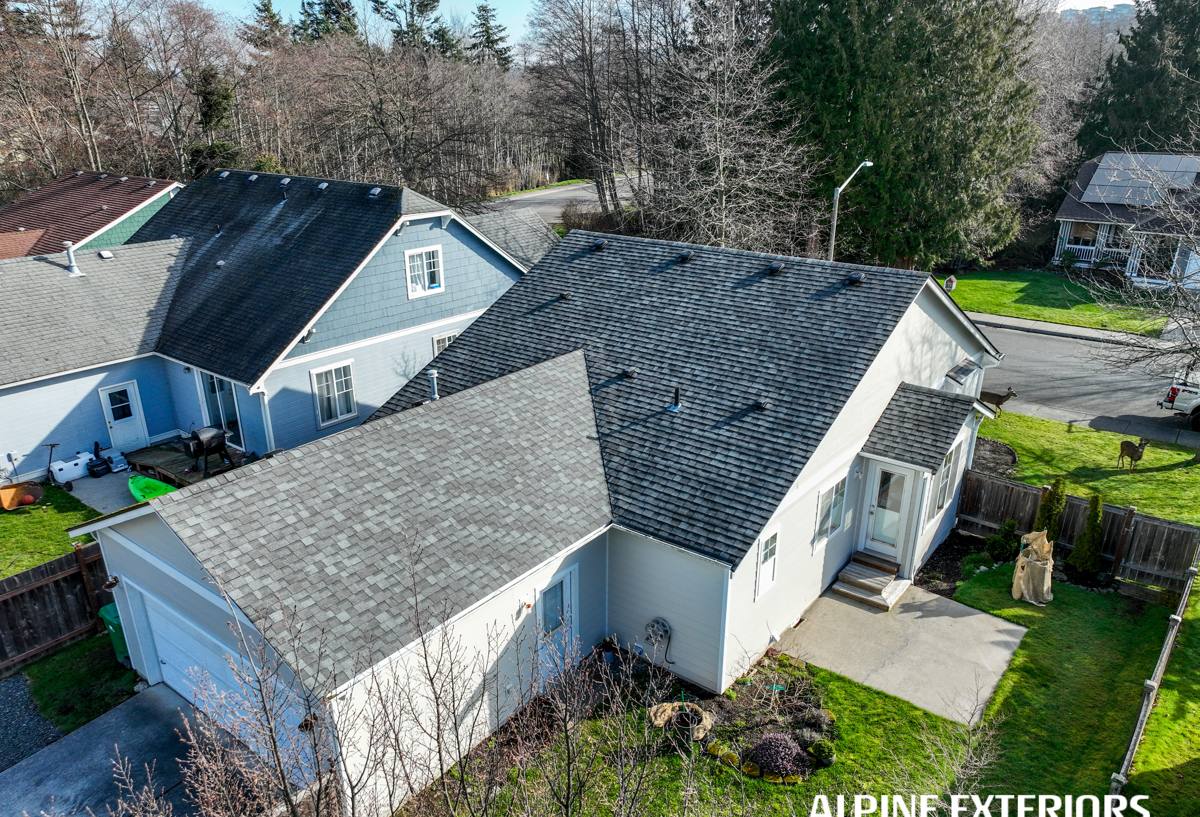
What Sarasota County's Climate Does to a House
Florida's Gulf Coast climate isn't just "hot." It's a combination of stresses that compound on each other year-round, and Bee Ridge homes absorb all of them:
- Intense, near-constant UV exposure. Sarasota gets sun most days of the year, and UV breaks down paint film, plastics, and adhesives faster than in northern climates. Materials that look fine in a showroom in Ohio can chalk, fade, or degrade within a few years here.
- Humidity and moisture cycling. Warm, wet air pushes moisture into any gap or seam in an exterior wall. Materials that swell, wick water, or trap it behind their surface are working against the climate instead of with it.
- Salt air. Even set back from the water, Sarasota County properties get salt carried on Gulf breezes. Salt accelerates corrosion of fasteners and trim and speeds up the breakdown of coatings.
- Hurricane-season wind and wind-driven rain. Bee Ridge isn't a barrier island, but it's still inside a wind-borne debris region under Florida's building code, and every storm season brings the possibility of sustained high wind paired with rain being forced sideways into wall assemblies, siding laps, and window and door openings.
None of this is unique to Bee Ridge, but it's the reason exterior products that perform well elsewhere sometimes underperform in Sarasota County specifically. A siding decision made without accounting for these four factors together tends to show its weaknesses within five to ten years, not thirty.
Why This Matters More for Siding Than for Most Home Components
Siding is the largest continuous exterior surface on a house and the primary barrier between structural framing and the weather described above. Unlike a roof, which is replaced on a known cycle, siding is often expected to last the life of the home with only paint touch-ups. That expectation only holds up if the underlying material is genuinely stable under sun, moisture, and salt — not just installed correctly on day one.
Why We Install Only James Hardie Fiber Cement
We don't sell vinyl siding, LP SmartSide, Cemplank, Allura, or primed wood siding like spruce or cedar. That's not because those products are worthless — each has a place in the market and reasonable performance in the right climate and application. It's because after years of exterior work in Southwest Florida conditions, we made a professional decision to standardize on one product system that we're confident holds up here, and stand behind that decision with our labor warranty.
Here's the honest reasoning:
- Vinyl siding is inexpensive and low-maintenance in mild climates, but it softens and can warp under sustained high heat, and its impact resistance in high wind is limited compared to fiber cement. In a wind-borne debris zone, that matters.
- LP SmartSide and other engineered wood products use a wood-strand core. Manufacturers have improved moisture resistance significantly, but any wood-based product remains more sensitive to sustained humidity and water intrusion at cut edges and seams than a cement-based product — and Sarasota County gives a product a lot of humid days to prove that sensitivity, or not.
- Cemplank and Allura are also fiber cement, and are reasonable products in their own right. Our decision to standardize on Hardie specifically comes down to product line depth for this climate (their HZ5 formulation engineered for humid, high-moisture regions), the factory-baked ColorPlus finish, and the manufacturer support and warranty structure behind it.
- Primed spruce or cedar requires the homeowner to maintain a paint film against Florida UV and humidity essentially forever. Miss a repaint cycle by a couple of years in this climate and moisture problems can start before you notice them.
James Hardie fiber cement is non-combustible, dimensionally stable in heat and humidity, and manufactured in HZ5 formulations specifically engineered for humid climates like ours. The ColorPlus factory finish is baked on under controlled conditions rather than field-painted, which matters in a climate where field-applied paint is fighting UV and moisture from day one. It's not the cheapest siding material on the market, and we tell homeowners that up front. We believe it's the material that performs best, longest, in a Sarasota County backyard.
How Siding Materials Compare Under Florida Conditions
| Factor | James Hardie Fiber Cement | Vinyl | Engineered Wood (LP SmartSide) |
|---|---|---|---|
| UV/fade resistance | Factory ColorPlus finish, engineered for long-term color retention | Can fade and chalk under sustained intense UV | Depends on field-applied paint maintenance |
| Moisture behavior | Cement-based, does not swell or rot | Doesn't absorb moisture but can warp in extreme heat | Wood-strand core, sensitive at cut edges if not sealed and maintained |
| Wind/impact resistance | Rigid, holds up well against wind-driven debris | Lower impact resistance, can crack or blow off in high wind | Moderate; performance depends on installation and fastening |
| Fire behavior | Non-combustible | Combustible, can melt under heat exposure | Combustible (wood-based) |
| Maintenance | Occasional caulk/paint touch-up at trim, no repainting cycle for the field | Low, but limited repair options if damaged | Requires ongoing paint maintenance to protect the wood core |
Our Siding Process for Bee Ridge Homes
Every Bee Ridge property is a little different — block construction versus frame, existing siding condition, roofline and window layout, HOA requirements in some sections of the community — so we start with an in-person assessment rather than a generic quote.
What We Look At
- Condition of the existing wall assembly and any moisture damage behind current siding
- Weather barrier and flashing details around windows, doors, and roof-to-wall transitions
- Fastening requirements to meet Sarasota County's wind load standards for the property's exposure category
- Trim, soffit, and fascia condition, since siding replacement is the natural time to address those together
Installation Standards We Hold To
James Hardie siding performs the way it's designed to only when it's installed to the manufacturer's specifications — correct fastener type and spacing, proper clearances at grade and roof lines, correct caulking at joints, and factory-finish touch-up done with Hardie's own products rather than generic paint. Installed loosely or with shortcuts, any fiber cement product can trap moisture or fail prematurely at the seams. We install to spec because that's what keeps the manufacturer's warranty valid and what actually delivers the 30+ year performance the product is capable of.
Beyond Siding: A Full Exterior Approach
Siding doesn't work in isolation. A house's exterior is one connected system, and in Bee Ridge we regularly see how roofing, windows, siding, and even decking interact:
- Roofing that's failing or has compromised flashing can push water into the wall assembly behind otherwise sound siding. If we're replacing siding on a home with an aging roof, we'll flag it rather than install new siding against a leak waiting to happen.
- Windows are one of the most common points of water intrusion during wind-driven rain. Old or poorly flashed windows undermine even the best siding job around them.
- Decks attached to the home need the same attention to moisture and fastening at the ledger connection, since that's another point where water can work into the structure if it's not detailed correctly.
Because we handle all four trades, we can flag issues across the whole exterior during one visit instead of a siding crew missing a roofing problem that undoes their own work in two years.
Choosing a Contractor in Sarasota County
Sarasota's exterior contracting market has a lot of options, and not all of them carry Florida licensing, insurance, or manufacturer certification that actually protects you. Before hiring anyone for siding work in Bee Ridge, a few things are worth checking:
- Active Florida contractor license, verifiable through the state licensing board
- General liability and workers' comp insurance, not just a claim of coverage
- Manufacturer installer status if the product carries a manufacturer warranty — an uncertified installer can void it even if the material itself is defect-free
- A written scope of work that specifies the exact product line, fastening method, and flashing details, not just "siding replacement"
- Local references or a physical local presence, since exterior work done poorly often doesn't show its problems until the next storm season
Permitting is also worth asking about directly. Siding replacement in Sarasota County typically requires a permit, and a contractor who's vague about that is a red flag.
What Affects the Cost of a Siding Project
| Factor | Why It Matters |
|---|---|
| Home size and wall complexity | More corners, gables, and dormers mean more cutting, trim work, and labor time |
| Existing siding removal and wall condition | Rot or moisture damage found underneath adds repair work before new siding goes on |
| Hardie product line and profile | Lap width, texture, and ColorPlus color selection affect material cost |
| Trim and accessory scope | Replacing soffit, fascia, and trim alongside siding changes total project cost |
| Access and site conditions | Mature landscaping, fencing, or tight lot lines can add labor time |
We give exact numbers only after seeing the property in person — anyone quoting a firm price over the phone for Bee Ridge siding work is guessing.
Caring for Hardie Siding Once It's Installed
- Rinse with a garden hose periodically to remove salt residue and pollen buildup, especially after storms
- Avoid pressure washing directly at the siding surface; use low pressure and keep the nozzle at a safe distance
- Inspect caulking at trim and window edges annually, since caulk fails before the siding material does
- Keep sprinklers and irrigation from spraying directly on the siding long-term, which unnecessarily prolongs moisture contact
- Touch up any chips or scratches with Hardie-matched touch-up paint rather than generic exterior paint
None of this is heavy maintenance — it's closer to occasional upkeep than the paint cycle a wood or engineered wood product would require in this climate.
Let's Look at Your Bee Ridge Home
If your siding is showing its age, or you're planning ahead before the next storm season, we're happy to come take a look and walk you through what we see, no pressure and no obligation. Fill out the form below for a free estimate on siding, roofing, windows, or decks for your Bee Ridge property.