 Sarasota Siding
 What Makes ColorPlus Technology Different
Most exterior siding gets its color one of two ways: it's painted on-site after installation, or it arrives from the factory with the finish already baked on. James Hardie's ColorPlus Technology is the second kind, and the distinction matters more in Sarasota than almost anywhere else in the country.
ColorPlus finishes are applied in a controlled factory environment, then cured through multiple baking cycles before the boards ever leave the plant. That process produces a more uniform, more consistent finish than anything achievable with a paint sprayer and a ladder on a job site — no thin spots, no lap marks, no weather interruptions mid-coat. The color is embedded through several layers, not a single topcoat, which is why Hardie backs it with a finish warranty separate from the product warranty itself.
The alternative is primed Hardie board, which arrives from the factory in a neutral gray or tan primer and gets field-painted after installation, the same way traditional wood or engineered wood siding is finished. Primed board is a legitimate option and we install it when a homeowner wants a fully custom color match. But for most Sarasota homes, ColorPlus is the better long-term call, and the reasons come down to this region's climate.
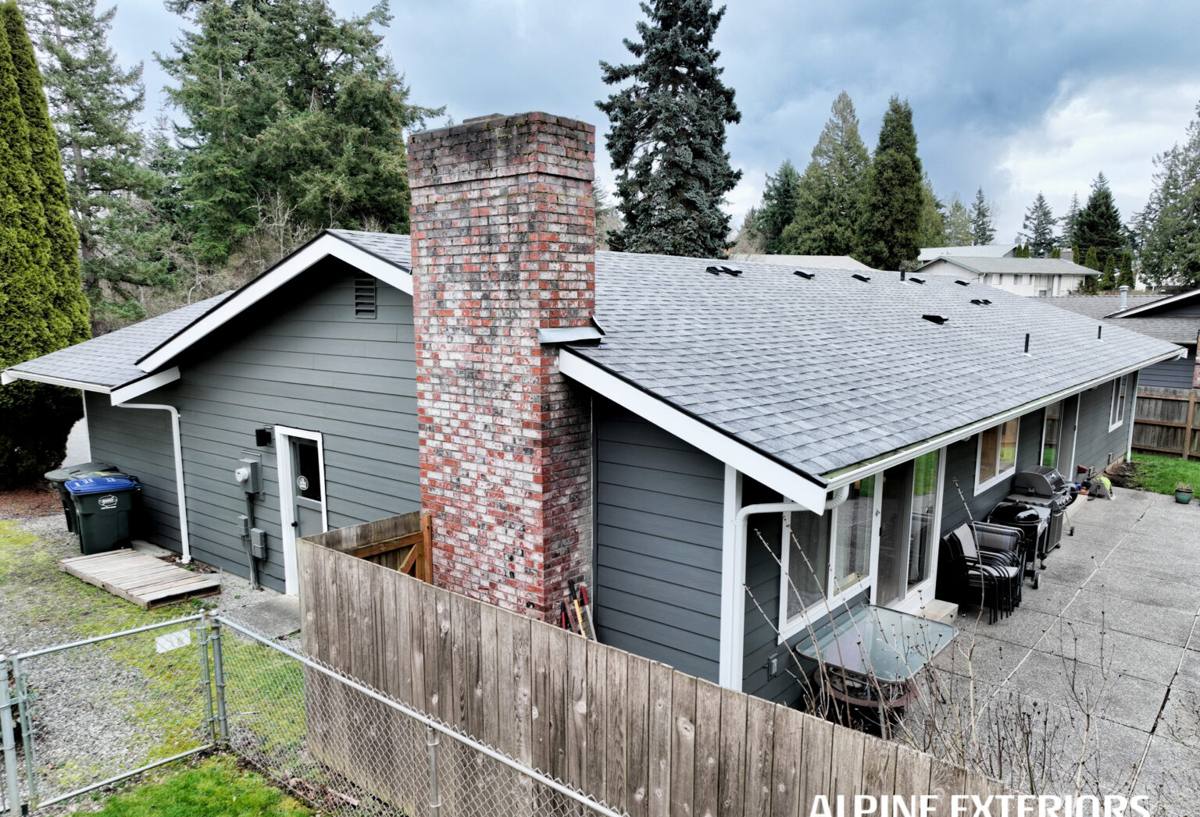
Why Sarasota's Climate Makes Factory-Applied Color Worth It
Sarasota County sits on the Gulf Coast, which means siding here deals with a combination of stresses that inland siding never sees. Year-round UV exposure is intense and constant — there's no real off-season for sun load the way there is in northern climates. Add hurricane-force wind events, wind-driven rain that gets forced sideways into wall assemblies, and salt-laden air moving in off the Gulf and Sarasota Bay, and you have a finish environment that's genuinely harder on paint than most of the country.
Field-applied paint is more vulnerable to all of that. A brush or spray coat applied outdoors is at the mercy of humidity, temperature, and dust at the moment of application, and it bonds to a single substrate layer. UV breaks down pigment binders over time, and once a field-painted finish starts to chalk or fade, it typically fades unevenly — south and west-facing walls first, since those catch the harshest sun.
ColorPlus is engineered specifically to resist that kind of UV-driven color breakdown, and the multi-coat factory process gives it more film thickness and better adhesion than what's realistically achievable with a job-site paint job. That doesn't mean it's immune to fading over decades — nothing baked onto a board and left in Florida sun forever stays showroom-fresh — but it holds its color meaningfully longer than field-applied paint, and it does it without a maintenance repaint every several years.
Salt Air and Coastal Exposure
Homes closer to the water — near the bay, the barrier islands, or anywhere salt spray reaches on windy days — put extra stress on any exterior finish, coating or fiber cement alike. Salt accelerates corrosion on fasteners and trim hardware and can leave a fine residue on siding that, left unwashed, dulls the finish over time. ColorPlus doesn't eliminate the need for occasional rinsing in a coastal-exposure home, but it gives you a more durable base to rinse rather than a fragile one.
The ColorPlus Color Palette
James Hardie offers ColorPlus in a curated range of colors designed to work across architectural styles, from traditional Florida coastal to more modern builds. The palette generally breaks into a few families:
- Neutral whites and grays — Arctic White, Pearl Gray, Iron Gray, Aged Pewter
- Warm earth tones — Navajo Beige, Khaki Brown, Monterey Taupe, Timber Bark, Woodstock Brown
- Blues and greens — Boothbay Blue, Deep Ocean, Mountain Sage, Evening Blue
- Deeper, bolder tones — Rich Espresso, Countrylane Red, Cobble Stone
Colors are available across Hardie's siding profiles — lap siding, shingle-style panels, board-and-batten vertical siding, and trim — so a whole exterior, body and trim, can be finished with matched or complementary ColorPlus tones rather than mixing a factory finish on the field with a separately painted trim package.
One practical note for Sarasota buyers: lighter neutrals and warm beiges reflect more heat and tend to show less visible chalking over time than very dark tones in full-sun exposures, since darker pigments absorb more UV energy. That's not a reason to rule out a darker color — plenty of homes here carry deep blues and espresso tones well — but it's worth factoring into the decision if a home gets heavy afternoon western sun with no shade.
HZ5 Products: Engineered for the Gulf Coast
Color is only part of what makes Hardie siding suited to this region. James Hardie manufactures its fiber cement in different formulations calibrated to different climate zones, and Sarasota falls within the HZ5 zone — the engineering tier built for high-humidity, high-moisture, hurricane-exposed regions like the Gulf Coast and the Southeast.
HZ5 formulations are designed to resist moisture-related damage better than a one-size-fits-all product, which matters because fiber cement's core advantage over wood-based sidings is that it doesn't swell, rot, or delaminate when it takes on repeated moisture exposure. Pairing an HZ5 substrate with a factory ColorPlus finish means both the board itself and its surface color are matched to what this climate actually does to a house over a hurricane season, not what it does in a mild, dry climate somewhere else in the country.
ColorPlus vs. Primed Hardie: Cost and Long-Term Comparison
Homeowners often ask whether ColorPlus is worth the modest upcharge over primed board that gets painted after installation. The honest answer depends on what you value — full custom color control, or long-term finish durability with less maintenance. Here's how the two options actually compare:
| Factor | ColorPlus Factory Finish | Primed Hardie + Field Paint |
|---|---|---|
| Color consistency | Uniform, factory-controlled, baked in multiple coats | Depends on painter skill, weather at time of application |
| Upfront cost | Slightly higher material cost | Lower material cost, but adds a separate paint labor cost |
| Repaint interval | Not required for many years under normal conditions | Typically needs repainting on a shorter cycle in this climate |
| Color selection | Curated Hardie palette | Any color, fully custom |
| Warranty coverage | Separate factory finish warranty plus product warranty | Product warranty only; paint warranty is separate and typically shorter |
| Touch-up matching | Hardie-supplied touch-up matched to factory batch | Depends on saved paint and color-match accuracy over time |
When total cost of ownership is factored in — including a repaint every several years on a primed exterior versus a much longer stretch between maintenance on ColorPlus — factory finish is usually the better value over the life of the siding, not just at closeout on the install.
The Warranty That Comes With the Color
James Hardie backs ColorPlus Technology with a dedicated finish warranty that is separate from, and in addition to, the underlying product warranty on the fiber cement itself. That finish warranty covers issues like peeling, cracking, or fading beyond the accepted standard, and it's transferable to a new owner if the home sells within the coverage period — a real selling point in a market like Sarasota where relocation and turnover are common.
Warranty coverage on any exterior product is only as strong as the installation behind it, though. Hardie's warranty terms require installation according to the manufacturer's published specifications — correct fastener type and spacing, proper clearances at grade and roofline, correct flashing and caulking details at joints and penetrations. An installer who cuts corners on those details can create the moisture intrusion or movement problems that void warranty coverage regardless of how good the factory finish itself is. That's a big part of why we only install James Hardie and install it to spec — a great product installed wrong is still a callback waiting to happen.
Keeping ColorPlus Siding Looking New
ColorPlus is engineered to be low-maintenance, not zero-maintenance. A few habits go a long way toward getting the full lifespan out of the finish in Sarasota's climate:
Routine Care
An occasional rinse with a garden hose and soft brush removes salt residue, pollen, and airborne grime before it has a chance to dull the finish. Avoid pressure washers on high settings directed straight at seams and joints — it's less about the siding surface itself and more about not forcing water behind flashing and trim.
After a Storm
After any significant wind event, it's worth a visual walk-around to check for cracked boards, lifted trim, or damaged caulk lines at joints. Catching a small installation-detail issue early is far cheaper than letting wind-driven rain find its way behind the siding over a full storm season.
Touch-Up
Hardie supplies ColorPlus touch-up product matched to each factory color for the rare ding or scratch from a ladder, a stray branch, or equipment during other exterior work. It's meant for small spot repairs, not full-wall recoating — the factory finish itself isn't designed to be recreated by hand at that scale.
Choosing Colors and a Contractor: A Practical Checklist
Picking a ColorPlus color and the right installer both matter for the outcome. A few things worth doing before signing a contract:
- View color samples outdoors in actual Sarasota daylight, not under indoor lighting or on a screen — Gulf Coast sun shifts how colors read compared to showroom lighting
- Check how a candidate color performs on similarly oriented walls elsewhere before committing a whole house to it
- Confirm your installer is a James Hardie-recognized contractor, not just someone who has ordered the material before
- Ask specifically how fastener spacing, clearances at grade, and flashing details will be handled — these determine whether your warranty actually holds
- Get the color, product line, and warranty terms spelled out in writing before work begins
- Ask what touch-up product you'll be left with and how it's matched to your specific batch
If you're weighing colors or just want a straight answer on what ColorPlus would look like on your home, we're happy to walk your property, talk through the palette, and put together a free, no-pressure estimate.