 Sarasota Siding
 Homes in The Meadows sit under a heavy tree canopy, wrapped around golf courses and lakes, in one of Sarasota's more established residential communities. That setting is part of what makes the neighborhood desirable — mature landscaping, quiet streets, a sense of privacy you don't get in newer subdivisions. It's also part of what makes exterior maintenance here a little different from a wide-open new-construction lot on the edge of the county. Shade changes how siding dries out after rain. Overhanging branches drop debris into gutters and against wall surfaces. And like every property in Sarasota County, homes in The Meadows still take the full brunt of what the Gulf Coast throws at a house: hurricane-force wind events, intense year-round UV, wind-driven rain, and salt-laden air moving inland off the water.
This page covers how we approach siding — along with roofing, windows, and decks — for homes in this part of Sarasota, and why we install only one siding product across every job we take on.
What The Meadows' Climate Actually Does to a House
It's worth separating out the specific stresses, because they don't all attack a house the same way, and they don't all show up on the same timeline.
Wind and Storm Pressure
Sarasota County sits in a wind-borne debris region, and The Meadows is no exception. During a tropical system or a strong seasonal storm, exterior walls take direct wind load, plus the impact risk from airborne debris — branches, loose fencing, roof tiles from a neighboring home. Siding that isn't rated or fastened correctly for these conditions can crack, delaminate, or blow off outright. The tree cover in this neighborhood is a mixed blessing here: it can buffer some straight-line wind, but it also means more falling limbs and debris during a storm than a property with an open lot.
UV Exposure
Florida sun is relentless, and it doesn't take a break in the off-season. Year-round UV breaks down pigments and resins in lower-grade siding and paint finishes, which is why so many homes across Sarasota County show chalking, fading, or uneven color on the sun-facing elevations within just a few years of a repaint.
Wind-Driven Rain
Rain that falls straight down is manageable. Rain that gets driven sideways into a wall assembly by wind is a different problem — it finds every gap in flashing, every failed caulk joint, every seam that wasn't lapped correctly. Over time, that moisture intrusion is what causes the rot, mold, and structural damage that turns a cosmetic siding issue into a much more expensive repair.
Salt Air
The Meadows isn't beachfront, but Sarasota's barrier islands and coastline are close enough that salt aerosol still travels inland on Gulf breezes. Salt accelerates corrosion on fasteners, flashing, and any metal component in the exterior envelope, and it degrades certain siding coatings faster than inland climates would.
Why Siding Material Choice Matters More Here Than Most Places
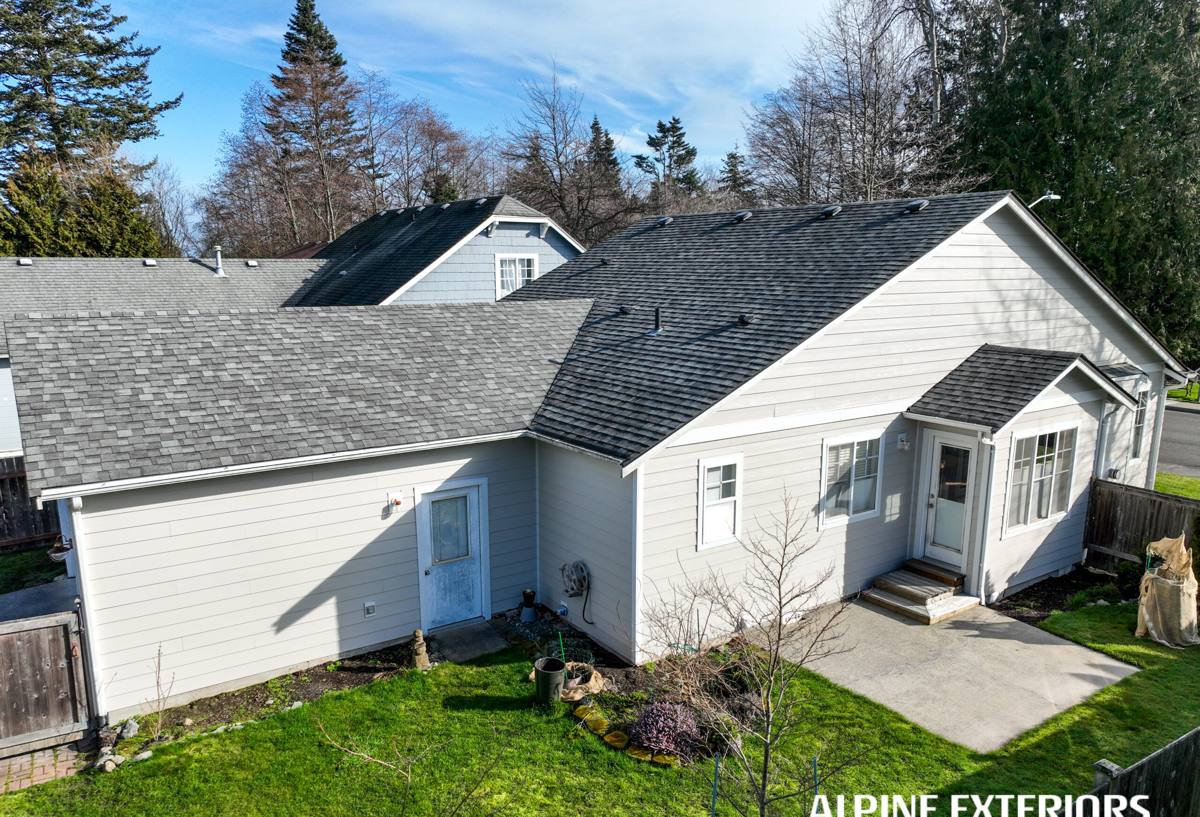
Given all four of those stresses working on a house simultaneously, the siding material itself becomes one of the biggest variables in how well a home holds up — and how much it costs to maintain — over the next 15 to 20 years. We install only James Hardie fiber cement siding. Not because it's the only product on the market, but because after years of doing exterior work in this exact climate, it's the product we're comfortable standing behind.
We don't install vinyl siding, LP SmartSide (engineered wood), Cemplank or Allura fiber cement alternatives, or primed wood species like spruce or cedar. Each of those products has legitimate uses in the right climate or budget situation. Here's the honest reasoning behind why we don't put them on Sarasota County homes:
Vinyl Siding
Vinyl is affordable and low-maintenance in mild climates, but it's a petroleum-based product that softens in high heat and becomes brittle with UV exposure over time. In sustained Florida sun, color fade is common, and vinyl's wind ratings — even on higher-end profiles — generally fall short of what fiber cement offers in a storm-prone coastal county. It also doesn't hold up well to direct debris impact; it cracks or shatters rather than absorbing the hit.
LP SmartSide and Other Engineered Wood
Engineered wood siding relies on a resin-treated wood strand core with a protective coating. That coating has to stay intact for the product to perform — any breach from a nail pop, a saw cut left unsealed, or a caulk failure lets moisture into the wood substrate, and once that happens, the material can swell and deteriorate from the inside out. In a climate with this much wind-driven rain and humidity, that's a maintenance risk we're not willing to take on for our customers.
Other Fiber Cement Brands (Cemplank, Allura)
These are legitimate fiber cement products, and fiber cement as a category is the right call for this climate. Our reason for standardizing on James Hardie specifically comes down to their climate-engineered HZ5 product line (formulated for hot, humid regions like ours), the factory-applied ColorPlus finish, and the depth of their installation network and warranty support in Florida. Consistency in one system also lets our crews install to spec every time, rather than switching techniques between product lines.
Primed Wood (Spruce, Cedar)
Natural wood siding is beautiful, but it's also the most maintenance-intensive option in a humid, insect-active, storm-exposed climate. It requires regular repainting or resealing, is vulnerable to rot and wood-boring insects, and doesn't carry the fire resistance or wind performance of fiber cement. We think it's a hard product to justify for most Sarasota County homes when a lower-maintenance alternative performs better long-term.
Why James Hardie Fiber Cement
James Hardie siding is a cement-based composite — sand, cellulose fiber, and Portland cement — engineered to resist the specific failure modes that show up in Gulf Coast homes:
- Non-combustible: Fiber cement doesn't contribute fuel to a fire the way wood-based products can.
- Moisture-resistant core: It doesn't absorb and swell the way wood-based products do, which matters given how much wind-driven rain this region sees.
- Factory-applied ColorPlus finish: A baked-on finish that resists fading and chalking far better than field-applied paint, which matters under year-round Florida UV.
- HZ5 climate engineering: Hardie's HZ5 product line is specifically formulated for hot, humid climates like ours, as opposed to a generic all-climate panel.
- Strong wind performance: When installed to manufacturer spec with correct fastener schedules, Hardie siding is built to hold up to the wind loads this region regularly sees.
- Transferable warranty: A meaningful, long-term warranty that can transfer if the home is sold — a real factor in resale value.
How We Approach a Siding Project in The Meadows
Every job starts with an honest look at the house, not a generic sales pitch.
Assessment
We walk the exterior and look at what's actually happening: soft spots, failed caulking, signs of past moisture intrusion, condition of existing flashing and trim, and how sun and shade patterns from the tree canopy have affected different elevations differently. A north-facing wall in a shaded lot ages differently than a south-facing wall in full sun, even on the same house.
Product and Profile Selection
James Hardie offers several siding profiles — lap siding in various exposure widths, board-and-batten vertical siding, shingle-style panels, and trim products — plus a range of ColorPlus factory finish colors. We help match the profile and color to the home's architecture and to any HOA or community aesthetic guidelines that may apply in an established neighborhood like The Meadows.
Installation to Manufacturer Spec
Fiber cement is only as good as its installation. Correct fastener type, spacing, and placement; proper clearances at grade and roofline; correctly lapped and sealed flashing and joints; and manufacturer-specified caulking at penetrations all matter for wind performance and moisture resistance. This is where a lot of the real-world failures with any siding product — not just Hardie — actually originate, and it's why we train crews to install to spec every time rather than cutting corners on fasteners or flashing details.
Cleanup and Final Walkthrough
We walk the finished job with the homeowner, check every elevation, and make sure trim, caulking, and paint lines are clean before we call it done.
Beyond Siding: Roofing, Windows, and Decks
Siding doesn't work in isolation — it's one part of a home's exterior envelope, and the same climate stresses that affect siding affect the roof, windows, and any outdoor living space.
Roofing
Your roof is the first line of defense against wind uplift and wind-driven rain. A compromised roof system undermines even a brand-new siding installation, since water that gets past bad flashing or damaged shingles can travel down behind wall assemblies. We handle roof installation and repair alongside siding work so the whole envelope is addressed together.
Windows
Impact-rated, properly flashed windows matter as much as the siding around them. A poorly sealed window opening is one of the most common sources of water intrusion in coastal Florida homes, regardless of how good the siding is.
Decks
Outdoor living spaces in a shaded, humid neighborhood like The Meadows face their own moisture and UV challenges. We build and repair decks with materials and fastening methods suited to Florida's humidity and sun exposure.
Cost Factors to Expect
Every home is different, but these are the variables that typically drive siding project cost in this area:
| Factor | Why It Matters |
|---|---|
| Home size and elevation count | More square footage and more architectural detail (dormers, bump-outs, multiple gables) means more material and labor |
| Existing substrate condition | Rot or moisture damage found during tear-off requires repair before new siding goes on |
| Siding profile selected | Lap siding, board-and-batten, and shingle-style panels vary in material and installation cost |
| Trim and accessory scope | Corner boards, window trim, fascia, and soffit work add to overall scope |
| Access and tree canopy | Mature landscaping in neighborhoods like The Meadows can require extra care and staging around trees and plantings |
| Color and finish | Standard ColorPlus colors versus specialty finishes can affect material pricing |
Questions to Ask Before Hiring an Exterior Contractor
Whether you go with us or someone else, a few basic questions protect you:
- Is the contractor licensed and insured in Florida, and can they provide proof?
- Are they a certified installer for the siding product they're proposing?
- Do they install to the manufacturer's published fastener and flashing specifications, or their own shortcuts?
- What does the warranty actually cover — material only, or labor too — and is it transferable?
- Will they put the scope of work, materials, and timeline in writing before starting?
- Do they have experience specifically with wind-zone and coastal installation requirements in Sarasota County?
Why a Local Crew Matters
Exterior work in Sarasota County isn't generic. Permitting requirements, wind-zone codes, and inspection standards here reflect the fact that this county deals with real storm exposure most years. A crew that works this area regularly understands the local permitting process, knows what inspectors look for, and has seen firsthand how different products and installation details hold up — or don't — after a few Florida summers and storm seasons. That local track record is worth something a national franchise or out-of-area crew can't always match.
If your home in The Meadows needs new siding, a roof inspection, window replacement, or deck work, we're happy to take a look and give you a straightforward assessment — no pressure, no hard sell. Reach out below for a free estimate.