 Sarasota Siding
 Siding in The Meadows Has to Answer to a Tougher Climate Than Most Places
The Meadows sits inland from the coast, but "inland" in Sarasota County still means salt-laden air on onshore breezes, tropical downpours that come in sideways, and summer UV that beats on west- and south-facing walls for months at a time. Add the neighborhood's mature tree canopy — the shade, the leaf litter, the humidity that lingers under a full canopy longer than it does on an open lot — and you get a siding environment that punishes anything not built for it. Vinyl softens and warps under sustained heat. Wood trim rots where moisture sits against it. Cheap fiber cement without a real factory finish chalks and fades faster than the warranty paperwork suggests it will.
None of this is exotic. It's just Sarasota. But it means the siding decision for a Meadows home isn't cosmetic — it's a structural and moisture-management decision that has to hold up to wind-driven rain, hurricane-force gusts, and a UV load that most of the country never sees.
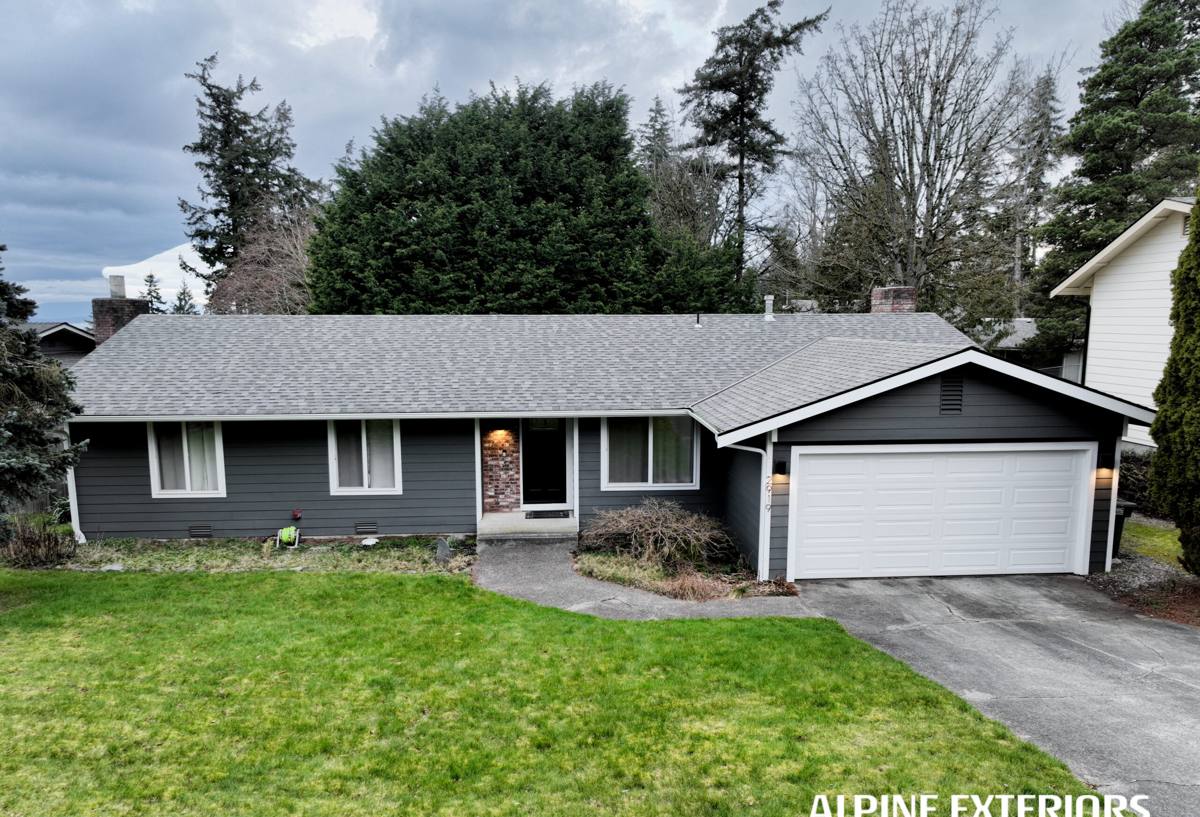
Why We Only Install James Hardie Fiber Cement
We don't carry vinyl, LP SmartSide, Cemplank, Allura, primed spruce, or cedar. That's not marketing — it's a standard we hold because we've seen what each of those products does over ten, fifteen, twenty years in this exact climate. Vinyl expands, contracts, and eventually cracks or blows off in high wind. Wood and OSB-based products need paint maintenance and are vulnerable the moment a seam opens to moisture. James Hardie fiber cement is non-combustible, dimensionally stable in heat and humidity, and backed by a factory-applied ColorPlus finish that's formulated to resist UV fade — which matters enormously on a wall that faces a Florida sun nine months of the year.
We're not saying every other product is worthless. Vinyl is inexpensive and wood has real curb appeal. What we're saying is that for a coastal Gulf Coast climate, we've made a professional call: Hardie is the one product line we're willing to put our name behind and warranty our work on.
What HZ5 Engineering Actually Means for This Address
James Hardie engineers its siding by climate zone, and homes in our part of Florida fall under the HZ5 line — formulated specifically for high-humidity, high-moisture regions. That's a different product than what gets installed in Arizona or Colorado. HZ5 panels are engineered to resist moisture-related expansion and to hold up against the freeze-free but humidity-heavy conditions that define a Sarasota summer. It's a detail a lot of homeowners never get told, and it's one reason "Hardie siding" isn't a single generic product — the version matters.
What a Correct James Hardie Installation Involves
Fiber cement siding is only as good as the installation behind it. Hardie's own installation manual is detailed for a reason — skip a step and you trade away the durability you paid for. A correct job on a Meadows home includes:
- A drainable weather-resistive barrier installed correctly behind the panels, so any moisture that gets past the siding has somewhere to go
- Proper starter strips and flashing at every window, door, and roofline intersection — the majority of siding failures we see trace back to bad flashing, not bad panels
- Correct fastener type, spacing, and depth per Hardie's specification — over-driven or under-driven nails void the warranty and invite water intrusion
- Minimum clearance gaps at grade, roof lines, and dissimilar materials so the siding isn't sitting in standing water or trapped moisture
- Factory-cut and factory-primed edges wherever possible, with field cuts sealed per manufacturer spec — an exposed raw edge is where premature failure starts
- Caulking and joint treatment sized for real thermal movement, not just cosmetic gap-filling
Every one of those steps is invisible once the job is finished. That's exactly why they matter — nobody checks them again for another fifteen years, so they have to be right the first time.
Our Process for a The Meadows Project
Assessment and Scope
We start with a walk of the exterior — every elevation, not just the side that looks worn — checking for soft spots, past water intrusion, trim condition, and how the existing siding is performing against sun and wind exposure on each face of the house. Homes with heavy tree cover often show different wear patterns wall to wall, and that shapes the scope.
Prep and Moisture Management
Before a single Hardie panel goes up, we address what's underneath: house wrap or weather barrier condition, any rot in the sheathing or trim, and flashing details around every penetration. This is the step that gets skipped by crews trying to move fast, and it's the step that determines whether the siding lasts twenty-five years or ten.
Installation
Panels, fasteners, and trim go in to Hardie's published specification — not "close enough." We size fastener spacing for our documented wind exposure and follow clearance requirements at grade and roofline strictly, since those are the details a home inspector or a future buyer's inspector will actually check.
Final Walkthrough
We walk the completed job with the homeowner, point out what was done at each problem area identified in the initial assessment, and register the manufacturer warranty in the homeowner's name.
What Drives Cost on a Job Like This
| Cost Factor | Why It Matters | Typical Impact |
|---|---|---|
| Existing wall condition | Rot, soft sheathing, or old moisture damage found during tear-off adds repair scope before new siding can go on | Moderate to significant |
| Home size and wall complexity | Multiple gables, dormers, and cut-ins take more labor per square foot than a simple rectangular elevation | Moderate |
| Siding profile and trim package | Lap width, shake accents, and trim detailing change material and labor costs versus a plain lap job | Low to moderate |
| Access and site conditions | Mature landscaping, fencing, and tight side yards common in established neighborhoods can slow staging and material handling | Low to moderate |
| Color and finish | Factory ColorPlus finish versus field-painted panels affects both material cost and long-term maintenance | Low |
We give a firm number after the assessment walk, not before — a phone estimate on siding is a guess, and we'd rather give you an accurate one.
Signs Your Current Siding Is Telling You Something
Homeowners often live with early warning signs for years before calling anyone, mostly because the damage is subtle until it isn't. Worth checking for:
- Soft or spongy spots when you press on siding near the bottom courses or under windows
- Visible cupping, warping, or gaps opening up at seams
- Paint or finish that's chalking heavily or fading unevenly between sun-exposed and shaded walls
- Staining or streaking below window sills or roof intersections, which usually points to a flashing problem, not just a cosmetic one
- Any siding that shifted, cracked, or came loose after a tropical storm or high-wind event
- Visible wood rot or insect damage at trim boards and corners
Any one of these on its own isn't an emergency. Several together, especially after a storm season, usually means the wall assembly is compromised somewhere behind the siding you can see.
Why a Crew That Already Works This Neighborhood Matters
Established communities in Sarasota County often carry deed restrictions or architectural guidelines that govern exterior changes — color approval, trim style, sometimes even installation timing. A crew that has already worked in The Meadows knows what that process typically looks like and won't leave a homeowner guessing about paperwork or waiting on an approval nobody warned them about. Familiarity with the tree canopy, typical lot layout, and common construction vintage in the neighborhood also means fewer surprises once we open a wall — we've generally seen what's behind this era of siding before.
That local pattern recognition is worth something a general contractor unfamiliar with the area can't offer on the first job.
Maintaining Your Investment After Installation
James Hardie siding with a ColorPlus factory finish is genuinely low-maintenance, but "low" isn't "none." A simple annual routine keeps it performing the way it's engineered to:
- Rinse with a garden hose once or twice a year to clear salt residue and pollen buildup — a pressure washer isn't necessary and can damage caulking if used carelessly
- Inspect caulk joints around windows, doors, and trim annually and re-caulk any that have cracked or pulled away
- Trim back vegetation and tree limbs that hold moisture against the wall or scrape the finish in wind
- Walk the exterior after any major storm and look for cracked panels, loose trim, or new staining
None of this requires a contractor visit in most years — it's homeowner-level upkeep that protects a warranty and a finish that's already built to last.
If your Meadows home is due for a siding assessment, or you just want a straight answer about what condition your walls are really in, we're happy to walk the exterior with you and put together a free, no-pressure estimate.