 Sarasota Siding
 Siding Built for Bradenton's Gulf Coast Conditions
Bradenton sits right where Gulf Coast weather does its worst work on a house: hurricane-force wind gusts moving in off the water, months of intense subtropical UV, wind-driven rain that finds every gap in a wall system, and a steady dose of salt air that corrodes anything not built to resist it. Homes here don't fail because owners neglect them. They fail because the exterior products on them were never engineered for this specific combination of stresses. We install siding, roofing, windows, and decks for homes throughout the Sarasota County area, and Bradenton's exposure to open water and its older housing stock make it one of the areas where the right material choice matters most.
This page walks through what we actually see on Bradenton homes, how we approach siding replacement for this area, and why we only install one product: James Hardie fiber cement.
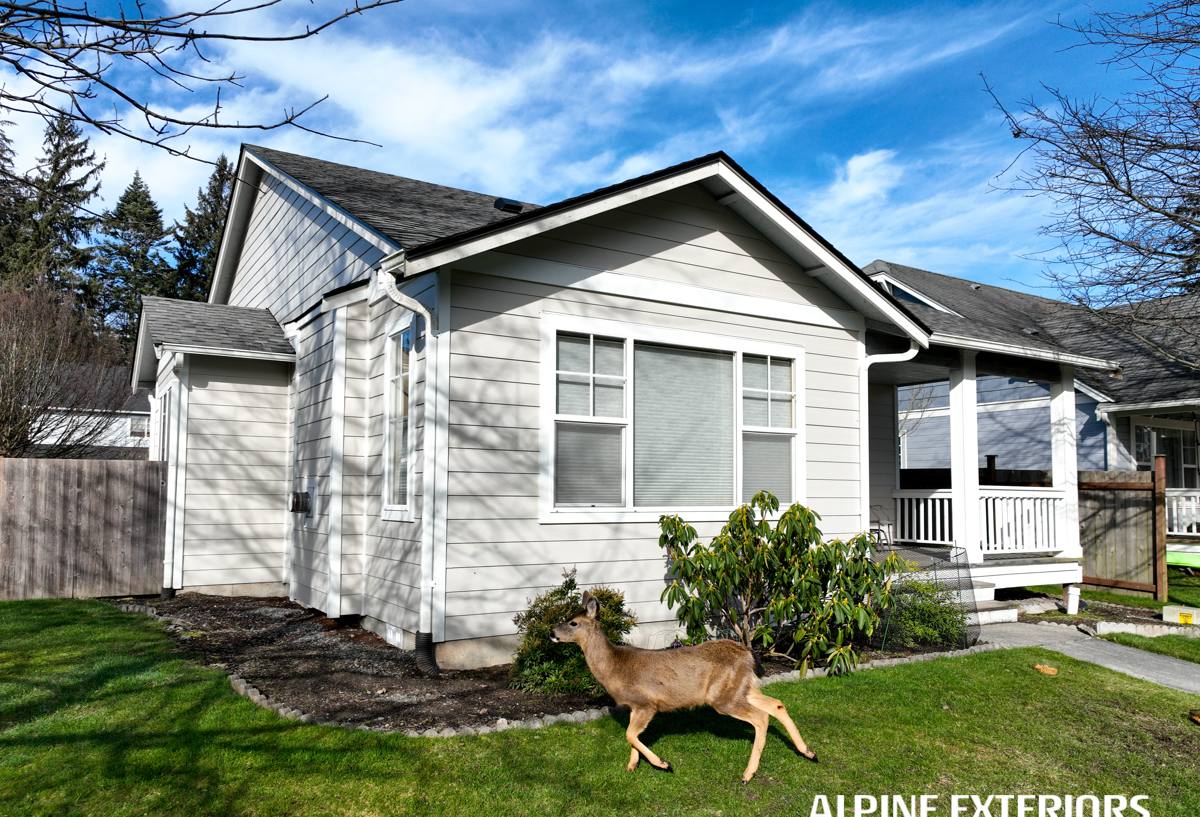
What Gulf Coast Weather Does to a Home's Exterior
Wind and Wind-Driven Rain
Wind speed alone isn't the whole story. What actually damages siding is wind-driven rain — water pushed sideways under pressure, forced into seams, laps, and fastener points that were never designed to handle horizontal water intrusion. Over enough storm seasons, a siding product with weak seams or poor moisture tolerance starts letting water behind the cladding, and that's when rot, mold, and structural damage to sheathing begins, often invisibly, until a wall starts to feel soft or paint starts bubbling.
UV Exposure
Florida sun is relentless almost year-round. Siding finishes that aren't formulated for this level of UV exposure chalk, fade, and become brittle faster than in most parts of the country. A finish that looks fine in a showroom in a milder climate can degrade within a few years under constant Gulf Coast sun.
Salt Air
Homes closer to the water deal with airborne salt that accelerates corrosion on fasteners, trim, and any metal components in the wall assembly, and it also interacts with certain siding substrates in ways that speed up deterioration. This is a factor a lot of national siding guides simply don't account for, because most of the country doesn't deal with it.
Humidity and Moisture Cycling
Between the heat, the humidity, and the rain, Bradenton homes go through constant wet-dry cycling. Any siding material that absorbs moisture, swells, or is sensitive to that cycling is going to show it over time — cupping, warping, or paint failure are the visible symptoms of a product working harder than it should to keep up with the climate.
Why We Only Install James Hardie Fiber Cement
We made a decision as a company to install one siding product across every home we work on: James Hardie fiber cement. Not because it's the only decent product on the market in general, but because for this specific climate — hurricane wind exposure, intense UV, salt air, and constant moisture cycling — it's the one we trust to hold up without turning into a maintenance project for the homeowner.
Fiber cement is non-combustible, which matters in a state where wildfire risk is now factored into more insurance underwriting decisions. It's dimensionally stable, meaning it doesn't expand and contract with humidity the way wood-based products do, so seams stay tighter over time. And it carries a factory-applied finish (Hardie's ColorPlus technology) that's baked on and warrantied against fading in a way that field-applied paint simply is not.
Why We Don't Install Everything Else
We don't install vinyl, LP SmartSide, Cemplank, Allura, or wood products like primed spruce or cedar — not because these are bad products in every application, but because we've made a professional judgment that they carry trade-offs we're not willing to put our name behind in this specific climate. Vinyl can warp and become brittle under intense heat and UV cycling, and it's a poor performer in high-wind events. Engineered wood products are sensitive to moisture intrusion at cut edges and seams, which is a real liability in a climate with this much wind-driven rain. Wood siding requires a maintenance commitment — regular repainting and sealing — that most homeowners don't want to sign up for indefinitely, and it's more vulnerable to the moisture cycling described above. Other fiber cement brands may be reasonable products, but we've standardized on Hardie because of its specific HZ5 product line, engineered for high-humidity, high-moisture climates like ours, and its long track record of factory support and warranty backing.
How This Plays Out on a Bradenton Home
Every home is different, but a few patterns come up often in this area:
- Homes closer to open water need extra attention to fastener corrosion resistance and trim details where water can collect
- Older homes may have layers of prior repairs or patched siding that need to be fully assessed, not just covered over
- West and southwest-facing walls typically take the worst combination of sun and wind-driven rain and often show wear first
- Homes with mature landscaping close to the walls need moisture and airflow considered as part of the installation plan
James Hardie Product Lines We Install
| Product | Common Use | Why It Fits This Climate |
|---|---|---|
| HardiePlank lap siding | Most common exterior wall application | Engineered HZ5 formulation for high-humidity, storm-prone regions |
| HardieShingle | Accent areas, gables | Non-combustible, holds finish in high UV exposure |
| HardieTrim | Window and door trim, fascia | Resists moisture intrusion at high-exposure joints |
| HardiePanel | Vertical siding accents | Dimensionally stable under wet-dry cycling |
What Correct Installation Actually Involves
Fiber cement performs the way it's engineered to only when it's installed to manufacturer specification. This isn't a small detail — it's the difference between a wall system that sheds water correctly for decades and one that traps moisture behind it.
Key Installation Details
- Correct fastener type, placement, and spacing per Hardie's published installation guide
- Proper clearance between siding and grade, roofline, and decking to prevent moisture wicking
- Weather-resistant barrier and flashing details installed correctly behind the siding, not just at the surface
- Caulking and sealing only at the joints Hardie specifies, not universally, which can trap moisture instead of releasing it
- Field-cut edges primed and sealed to maintain the factory finish's warranty coverage
Skipping any of these steps is one of the most common reasons a fiber cement installation underperforms, and it has nothing to do with the material itself.
Roofing, Windows, and Decks: The Rest of the Building Envelope
Siding is one piece of a home's exterior defense, and in a wind and rain-driven climate like this one, it doesn't work in isolation. We also handle roofing, window replacement, and deck construction because these systems all interact — a roof with failing flashing sends water down behind siding, a window installed without proper flashing integration undermines the wall assembly around it, and a deck attached without proper ledger flashing can introduce moisture right at the house connection. Looking at the whole envelope together, rather than treating siding as a standalone project, is part of how we approach exterior work for homes in this area.
Why a Local Crew Matters Here
A national or out-of-area contractor can sell fiber cement siding. What's harder to get right without local experience is knowing how Bradenton's specific mix of wind exposure, salt air, and storm history should shape the installation details — where extra fastener corrosion resistance matters most, which wall orientations need the most attention to flashing and drainage, and what Sarasota County's permitting and wind-load requirements actually call for. A crew that works this area regularly sees the same failure patterns repeatedly and builds that knowledge into every install, rather than treating each home as a generic project.
What to Look for When Vetting a Siding Contractor
- Manufacturer certification or documented training on the specific product being installed
- Willingness to explain why they use the products they use, not just quote a price
- Proper licensing and insurance valid in Florida
- A clear explanation of flashing, moisture barrier, and fastening details before work begins
- References or a track record specific to this region's climate, not just general siding experience
Cost Factors for Bradenton-Area Siding Projects
| Factor | Why It Affects Cost |
|---|---|
| Home size and wall complexity | More corners, gables, and trim detail increase labor time |
| Existing siding removal | Tear-off and disposal of old material, especially if moisture damage is found underneath |
| Underlying sheathing repair | Wind-driven rain damage sometimes requires repair before new siding goes on |
| Product line and finish selection | Different Hardie profiles and ColorPlus finishes carry different material costs |
| Trim and accent detailing | Custom trim work around windows, doors, and rooflines adds time |
Exact pricing depends on the condition of your home and the scope of work, and we're always upfront about that rather than quoting a number before we've actually looked at the house.
If you're considering siding, roofing, window, or deck work on a Bradenton-area home, we're happy to take a look and give you a straightforward, no-pressure estimate — no obligation, just an honest assessment of what your home actually needs.