 Sarasota Siding
 Bradenton sits where the Manatee River meets Tampa Bay and the Gulf of Mexico, just north of Sarasota, with barrier beaches like Anna Maria Island and Longboat Key a short drive away. That location is a big part of why the city is a great place to live and a genuinely hard place to keep windows performing over time. Homes here range from older river-front and downtown properties built decades ago to newer construction further inland, but almost all of them face the same combination: hurricane-force wind events, intense sun for most of the year, wind-driven rain, and salt-laden air drifting in off the water. Window installation done right in Bradenton has to account for all of that from the start, not as an afterthought once the units are already ordered.
Why Bradenton's Location Puts Extra Demands on Windows
A window's job is simple on paper — let light in, keep weather out — but where a home sits changes how hard that job actually is. Bradenton's position on Tampa Bay's southern edge, close to the Gulf and directly in the path of tropical systems that track up Florida's west coast, means windows here take on wind and water loads that a home further inland in Manatee County simply doesn't see as often. Add in a mix of older housing stock with openings that may predate current wind codes, and newer builds where impact-rated glazing was likely standard, and a single "one size fits all" answer for window installation doesn't hold up. What a specific Bradenton home needs depends on its age, its distance from open water, and how its current windows are actually performing.
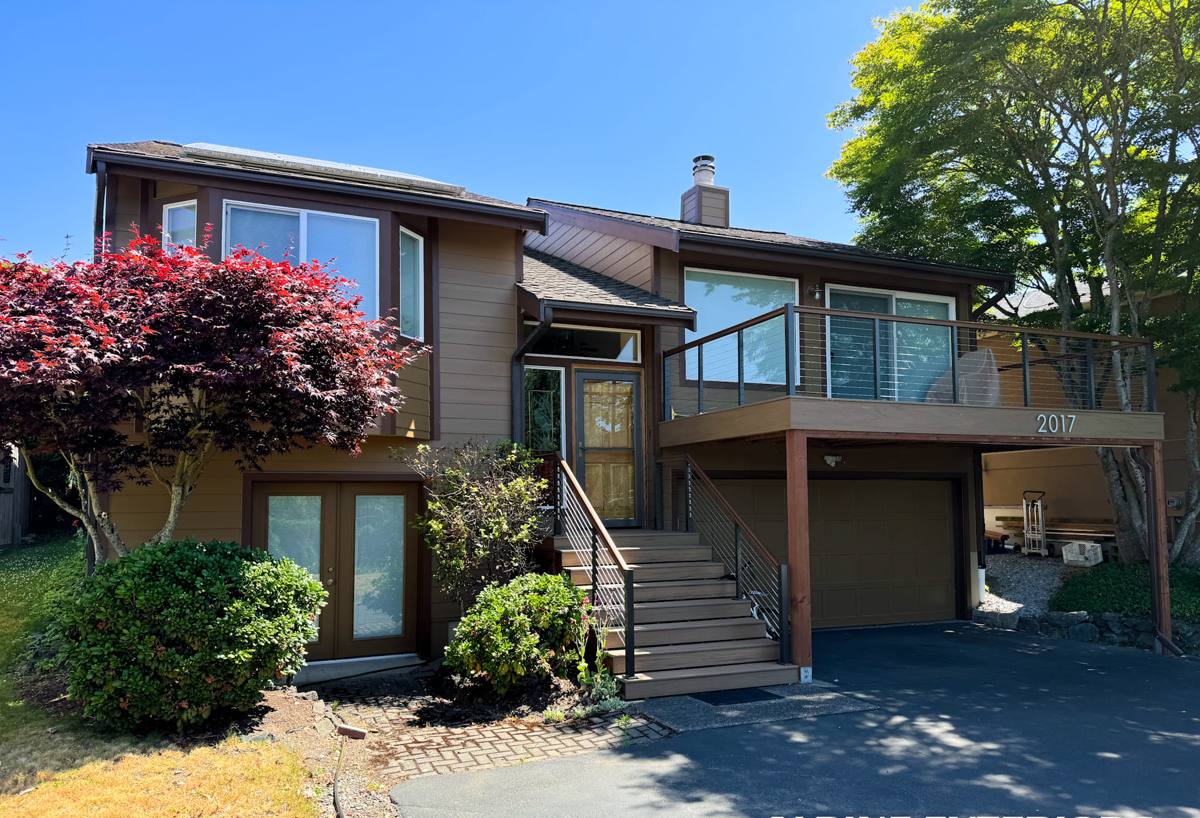
What the Climate Actually Does to Windows Here
Hurricane-Force Wind and Debris Impact
Florida's Building Code requires wind-borne debris protection in coastal counties like Manatee, and that requirement gets stricter the closer a home sits to open water. In practice, that means Bradenton windows need to either carry an impact rating themselves or be paired with code-approved protection, and the anchoring of the window into the wall structure has to be sized for real wind loads, not just a manufacturer's minimum spec. A window that looks fine sitting in its opening can still be under-anchored for what a hurricane-force gust actually does to it.
Intense, Near Year-Round UV
Florida gets more sun exposure across more months than most of the country, and that UV load goes to work on vinyl frames, weatherstripping, and sealants every single day, not just during storm season. Lower-quality materials chalk, yellow, and go brittle years before they should, and once weatherstripping loses its flexibility, a window starts leaking air and, eventually, water — even if the glass itself is fine.
Wind-Driven Rain
Straight-down rain is easy for a window to shed. Wind-driven rain, which is common here during both routine summer storms and any tropical system, pushes water sideways and upward into gaps that a standard installation might not account for. This is where flashing and sealant detailing around the opening matter as much as the window unit itself — a great window with a poorly flashed opening will still leak.
Salt Air and Corrosion
Bradenton's proximity to Tampa Bay and the Gulf means salt-laden air is a constant, low-grade force working on hardware, screen frames, and fasteners, regardless of whether a storm ever comes through. It's slower and less dramatic than wind damage, but it's just as steady, and it's why hardware grade matters more here than it would on a window installed fifty miles inland.
Signs a Bradenton Home's Windows Are Falling Behind
Some of these show up gradually enough that homeowners get used to them before recognizing they're actually a problem:
- Visible daylight or a draft around the frame when the window is fully closed and latched
- Condensation or fogging between panes on double-glazed units, which usually means a failed seal
- Difficulty opening, closing, or latching that didn't used to be there
- Soft or discolored drywall, trim, or flooring near a window after heavy rain
- Frames that feel warm to the touch on the interior side during peak summer sun
- Visible chalking, yellowing, or brittleness in the frame or weatherstripping
- Rust staining around hardware, hinges, or screen frames
What a Correct Window Installation Involves
Assessment and Opening Prep
We start by field-measuring the actual opening and checking the condition of the surrounding wall — framing, sill, and any existing flashing. On older Bradenton homes, this step often turns up rot or out-of-square framing that needs to be corrected before a new window goes in; we address that as part of the job, not as a surprise change order once the old unit is already out.
Impact-Rated Glazing and Code Compliance
We evaluate what impact rating and wind-load protection the opening needs based on the home's actual distance from open water and its wall exposure, then match the unit to that requirement rather than defaulting to the same spec on every job. A home a few blocks off the Manatee River doesn't necessarily need the same protection level as one right on the water, and we walk through that difference honestly rather than upselling protection that isn't warranted.
Flashing and Weatherproofing
This is the step that decides whether a window actually stays dry through wind-driven rain. Flashing has to be sequenced correctly — installed in the right order relative to the house wrap or building paper — and sealant joints have to be detailed for the specific opening, not applied as an afterthought once the unit is already set.
Frame Material Choice
Vinyl and fiberglass frames generally hold up to Bradenton's UV and salt exposure with less ongoing maintenance than an all-wood exterior finish, which is why we lead with them on most installs here. That doesn't rule out wood entirely — a wood interior look paired with a protected, low-maintenance exterior cladding can still make sense for the right home, and we'll talk through that trade-off honestly rather than defaulting to one material for every job.
Finish, Hardware, and Corrosion Protection
Salt air doesn't wait for a storm to start working on fasteners and hinges. We spec corrosion-resistant hardware as standard practice on Bradenton installs, not as an upgrade, because standard-grade hardware simply doesn't hold up as long this close to the water.
Our Installation Process, Start to Finish
- On-site assessment — we measure every opening, check the surrounding framing, and evaluate the home's wind and water exposure
- Honest recommendation — the impact rating, frame material, and glazing options that actually fit the home, explained plainly
- Ordering and lead time — a realistic timeline, since impact-rated units are often built to order
- Removal and opening prep — the old window comes out carefully, with any hidden rot or framing issues addressed before the new unit goes in
- Installation and anchoring — the new window is set and anchored to meet wind-load requirements for its size and location
- Flashing, sealant, and finish work — weatherproofing detailed for the specific opening, then trimmed to match the home
Window Options and Cost Factors for Bradenton Homes
| Factor | What It Changes |
|---|---|
| Impact rating required | Homes closer to Tampa Bay, the Manatee River, or the Gulf generally need a higher-rated unit than one further inland |
| Number and size of openings | Larger picture windows and full-home replacement jobs have different per-unit economics than a single replacement |
| Opening condition | Rot, prior flashing failures, or out-of-square framing on older homes add repair work before the new unit goes in |
| Frame material | Vinyl and fiberglass typically cost less to maintain long-term in salt air than an all-wood exterior finish |
| Glazing package | Impact-rated laminated glass costs more upfront than standard glass but removes the need for separate storm protection |
Quick Checklist Before You Order
- Confirm each opening has been field-measured, not estimated from old plans
- Ask what impact rating your specific location and wall exposure actually requires
- Get the flashing and weatherproofing plan explained, not just the window spec
- Confirm hardware and fasteners are corrosion-resistant, not standard-grade
- Ask for a realistic lead time in writing if any units are impact-rated custom orders
- Make sure the installer, not just the window manufacturer, offers a workmanship warranty
Why a Crew That Already Works Bradenton Matters
Manufacturer installation instructions are written for average conditions, and a home sitting between Tampa Bay and the Gulf rarely qualifies as average. A crew that hasn't installed windows in this area regularly can get the paperwork and the impact rating right and still miss the details that actually keep a home dry and secure — how much flashing overlap a given sill actually needs, which anchoring pattern holds up under real hurricane-force load versus the code minimum, and when a sealant joint needs extra attention because of constant UV and salt cycling. Those are judgment calls made on site, not decisions a spec sheet makes for you.
We work in Bradenton and the wider Sarasota area regularly, so we're not guessing at how a particular wall type, opening style, or exposure tends to hold up here over time. That shows up in the small decisions — the ones that determine whether a window installation is still performing well after a few hurricane seasons or starting to show leaks and corrosion within a couple of years.
Get a Free, No-Pressure Estimate
Whether you're dealing with drafty, aging windows in an older Bradenton home or planning ahead for storm season, it's worth having someone assess your actual openings and exposure before you start pricing units. We offer free, no-pressure estimates for window installation in Bradenton and the surrounding Sarasota-Manatee area — use the form below to get a time on the schedule.