 Sarasota Siding
 Siding in Downtown Sarasota: A Different Set of Problems Than Inland Florida
Downtown Sarasota sits close enough to the bay and the Gulf that your home's exterior is doing more work than siding on a house twenty miles inland. Between the salt-laden air rolling off the water, the wind-driven rain that comes with almost every summer storm, and UV exposure that runs hard nearly year-round, the siding on a Downtown Sarasota home ages differently than the same product would in, say, Ohio or even central Florida. We've worked on homes throughout Sarasota County long enough to know which failures are cosmetic and which ones are structural, and Downtown's mix of older bungalows, mid-century homes, and newer infill construction gives us a good cross-section of both.
This page walks through what we actually see on Downtown Sarasota exteriors, what we install and why, and what a realistic project looks like from first call to final walkthrough.
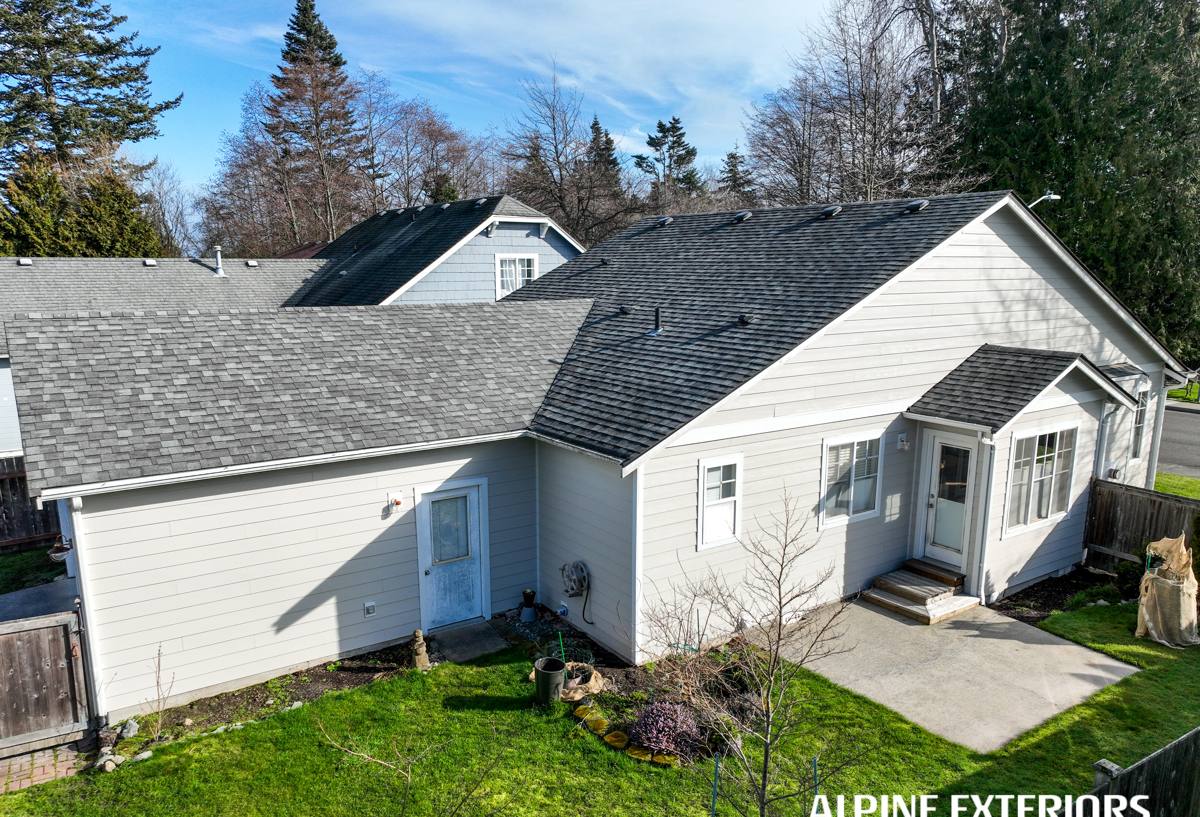
What Sarasota's Climate Does to Exterior Siding
Salt Air and Corrosion
Proximity to the water means airborne salt settles on every exterior surface, not just siding but fasteners, trim, and flashing. Salt exposure accelerates corrosion on lower-grade fasteners and can degrade certain siding materials' surface coatings faster than manufacturers' published warranties assume for inland climates. This is one of the reasons fastener selection and flashing details matter as much as the siding panel itself.
Wind-Driven Rain
Sarasota doesn't just get rain — it gets rain pushed sideways by wind, which finds every gap, seam, and poorly lapped joint in a siding system. Products that rely on caulk or sealant as a primary water barrier tend to fail here faster than they would in a drier, calmer climate, because the seal is being tested constantly rather than occasionally.
Hurricane-Force Wind Loads
Sarasota County sits within hurricane wind-zone requirements that dictate fastening patterns, nailing schedules, and in some cases product selection for exterior cladding. Siding that isn't rated or installed to the correct wind-load specification can lift, crack, or blow off entirely in a storm — and insurance claims after the fact often turn on whether the installation actually met code, not just whether the product was rated for it on paper.
Constant UV Exposure
Florida's UV index runs high most of the year. Paint films, vinyl coloring, and lower-grade coatings chalk, fade, and become brittle under that kind of sustained exposure. What looks like a cosmetic issue in year three or four is often the first visible sign that a coating system is breaking down.
Why We Install Only James Hardie Fiber Cement
We get asked regularly why we don't offer vinyl, LP SmartSide, or other fiber cement alternatives like Cemplank or Allura. It's a fair question, and the honest answer is that we made a standardization decision based on what holds up in this specific climate, not because every alternative is a bad product everywhere.
Vinyl Siding
Vinyl is affordable and easy to install, and in milder climates it performs reasonably well. In a coastal Florida wind zone, vinyl's weak point is mechanical: it's a thin material that relies on interlocking panels rather than a rigid, fastened system, and high wind events can pull panels loose or crack them. Heat also causes vinyl to expand and warp more visibly than fiber cement, and salt air dulls its color faster than manufacturers typically advertise.
LP SmartSide and Engineered Wood
LP SmartSide is a legitimate product with real strengths, particularly around workability and cost. Its vulnerability is moisture: it's an engineered wood product, and wood-based substrates are inherently more sensitive to sustained moisture exposure than cement-based ones. In a climate with frequent wind-driven rain and high humidity, any breach in the coating or caulking gives moisture a path into a material that doesn't tolerate it well long-term. We've seen enough of this in coastal counties that we don't feel comfortable installing it and standing behind it the way we want to.
Other Fiber Cement Brands
Products like Cemplank and Allura are also cement-based and share some of Hardie's core durability advantages. Where we've settled on James Hardie specifically is the combination of its climate-engineered HZ5 product line (formulated for Florida's high-moisture, high-heat conditions), its ColorPlus factory-applied finish, and the strength of its transferable warranty when installation is done to spec. Standardizing on one manufacturer also means our crews install the same system on every job, which keeps quality consistent instead of switching techniques between different product lines.
What James Hardie Siding Actually Involves
James Hardie fiber cement is a cement, sand, and cellulose fiber composite, non-combustible, and dimensionally stable — meaning it doesn't expand and contract with heat and humidity the way vinyl or wood products do. For Sarasota specifically, the HZ5 formulation is engineered for high-humidity, moisture-prone climates, which is the correct spec zone for anywhere in Sarasota County.
ColorPlus finish is a factory-applied, baked-on coating that's more UV- and fade-resistant than field-applied paint, which matters given how much sun Downtown Sarasota homes take year-round. It also means touch-up work uses matched ColorPlus product rather than a generic paint that may not weather the same way.
| Factor | James Hardie Fiber Cement | Vinyl | LP SmartSide / Engineered Wood |
|---|---|---|---|
| Wind performance | Rigid, fastened system rated for high wind zones when installed to spec | Interlocking panels, more prone to lifting in high wind | Rigid, but panel edges vulnerable if moisture compromises substrate |
| Moisture tolerance | Cement-based, does not rot; HZ5 formulated for humid climates | Not moisture-absorbent, but seams rely on lapping/sealant | Wood-based substrate, sensitive to sustained moisture intrusion |
| UV/fade resistance | Factory ColorPlus finish, baked-on and UV-engineered | Color molded into material, fades and chalks over time | Field or factory paint, requires more frequent maintenance |
| Fire rating | Non-combustible | Combustible | Combustible (wood-based) |
| Typical lifespan (well-maintained) | 30+ years | 20-30 years | 15-25 years, climate-dependent |
Installation Details That Matter More Than the Product
The siding panel itself is only part of the equation. In a wind and salt environment like Downtown Sarasota, the installation details determine whether a job performs for decades or fails prematurely.
- Correct fastener type and spacing for the local wind zone, not a generic nailing pattern
- Proper flashing at windows, doors, and roof-to-wall transitions to direct wind-driven rain away from the structure
- Rain screen or drainage plane behind the siding where appropriate, so any incidental moisture has somewhere to go
- Correct panel gaps and caulking at seams, sized for Florida's heat and humidity swings
- Corrosion-resistant fasteners and trim hardware suited to coastal salt exposure
- Manufacturer-specified starter strips and J-channel installation, not shortcuts that void warranty coverage
Skipping or rushing any of these steps is how a good product ends up with a bad reputation. We install to James Hardie's published specifications because that's what keeps the transferable warranty intact and what actually performs in this climate.
What This Looks Like for Downtown Sarasota Homes
Downtown Sarasota has a mix of older homes with original wood or aging siding, mid-century homes that have been through one or more prior renovations, and newer construction. Older homes closer to the bay tend to show the most salt and moisture-related wear, especially around the lower courses of siding and anywhere trim meets a horizontal surface. Homes with mature landscaping or dense tree cover sometimes show moisture retention issues in shaded, poorly ventilated wall sections, independent of coastal exposure.
Because Downtown is a mix of historic character and modern renovation, we also pay attention to matching reveal size, trim profile, and color palette to a home's existing architecture rather than treating every job as a blank slate. James Hardie's range of panel and lap styles gives us room to do that without compromising on the underlying material.
Signs Your Siding Needs Attention
A few things we consistently see on Sarasota-area homes that indicate it's time for an inspection or replacement estimate:
- Visible cracking, warping, or bowing in siding panels
- Soft spots or discoloration, especially near the bottom courses or around windows
- Chalky residue or significant fading on one side of the house (usually the side with the most sun exposure)
- Gaps or separation at seams and corners
- Rising energy bills that may point to compromised insulation behind failing siding
- Visible fastener corrosion or staining running down from nail heads
Any one of these on its own might just need a repair. Several at once, or an older siding system nearing the end of its expected life, usually points toward a full replacement conversation.
Why a Local Crew Matters
A contractor who works Sarasota County regularly understands the local wind-load requirements, knows what HZ5-rated products are actually required here versus a milder inland spec, and has already worked through the permitting process with the county. That matters for turnaround time and for making sure the finished work will hold up to an insurance inspection or a future home sale disclosure. We also handle roofing, windows, and decks, which means when a storm or age-related wear affects more than just the siding, we can look at the whole exterior picture rather than treating each component in isolation.
Get a Straight Answer on Your Siding
If you're not sure whether your Downtown Sarasota home needs a repair, a partial replacement, or a full re-side, we're happy to take a look and give you a straight answer — not a sales pitch. Reach out for a free, no-pressure estimate using the form below.