 Sarasota Siding
 New Roof Installation Built for Downtown Sarasota
Downtown Sarasota sits close enough to the bay and the Gulf that every roof on every block is dealing with the same three enemies: wind, sun, and salt. Homes here range from older bungalows and mid-century blocks to newer infill construction, but the roof deck underneath all of them is fighting the same climate. A new roof installation done right in this part of Sarasota County isn't just about swapping old shingles for new ones — it's about building an assembly that can survive a direct hurricane season, shrug off a decade of Florida sun, and keep salt-laden air from eating away at metal components year after year.
This page covers what a correct new roof installation looks like specifically for Downtown Sarasota properties: the climate factors that shape material choice, what actually happens during a proper tear-off and install, the permitting and wind-rating requirements local jurisdictions enforce, and what it costs to do the job right the first time.
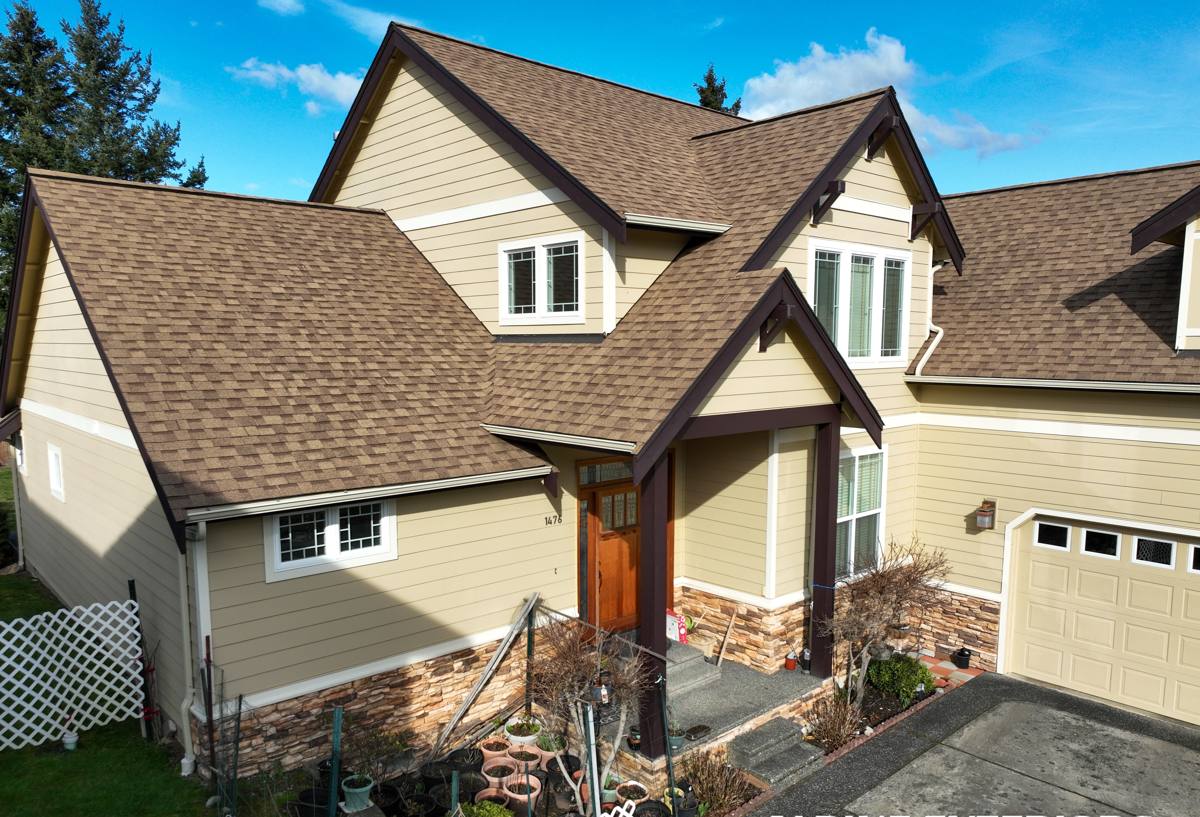
What Downtown Sarasota's Climate Demands From a New Roof
Sarasota's coastal location means a new roof is engineered against a specific combination of stresses, not just "Florida weather" in general.
Hurricane-Force Wind
Wind uplift is the single biggest threat to a roof system here. Shingles, tiles, and panels don't usually fail because the material wears out — they fail because wind gets under an edge, a ridge cap, or a poorly sealed fastener and starts peeling the roof from the outside in. Every component of a new install, from the nailing pattern to the starter strip at the eaves, has to be installed with that failure mode in mind.
Intense, Year-Round UV
Sarasota doesn't get a real off-season for sun exposure. UV breaks down asphalt shingle granules, dries out sealants, and accelerates the aging of underlayment faster than it would in a northern climate. A roof rated for "25 years" elsewhere can show UV-related wear well ahead of that timeline here if lower-grade materials were used.
Wind-Driven Rain
Straight-down rain is easy for almost any roof to shed. Wind-driven rain is not — it gets pushed sideways and upward under laps, around penetrations, and into any gap in the underlayment. This is why underlayment selection and flashing detail work matter as much as the visible roofing material itself.
Salt Air
Downtown Sarasota's proximity to Sarasota Bay means airborne salt reaches roofs here in meaningful concentrations. Salt accelerates corrosion on exposed fasteners, drip edge, flashing, and any metal roofing components. Material and fastener selection has to account for this, not just structural wind ratings.
Roofing Materials for Sarasota County Homes
There's no single "best" roofing material for Downtown Sarasota — the right choice depends on the home's structure, roof pitch, budget, and how long the owner plans to stay in the property. Here's how the common options compare against local conditions.
| Material | Wind Performance | UV/Heat Behavior | Salt Air Durability | Typical Lifespan Here |
|---|---|---|---|---|
| Architectural asphalt shingle | Good with proper nailing and rated products | Granule loss over time; quality varies by product line | Good — minimal exposed metal | 15-20 years in this climate |
| Standing seam metal | Excellent when properly fastened | Reflects heat well, minimal UV degradation | Needs coated/marine-grade fasteners and finish | 30-40+ years |
| Concrete tile | Very good when properly fastened to deck | Excellent — inert to UV | Excellent for the tile itself; fasteners/flashing still need attention | 30-50 years |
| 3-tab asphalt shingle | Lower wind rating than architectural shingles | Degrades faster under constant UV | Fine | 10-15 years |
For most Downtown Sarasota homes, we steer owners toward architectural shingles rated for high wind or, on homes where the structure and budget support it, standing seam metal or concrete tile. We're generally cautious about lower-tier 3-tab shingle products on coastal Sarasota roofs — not because the product is inherently bad, but because the maintenance burden and shorter realistic lifespan don't match what this climate demands of a roof.
What a Correct New Roof Installation Actually Involves
A new roof is a system, not a single layer. Skipping or shortcutting any one of these steps is where premature failures start.
Full Tear-Off and Deck Inspection
We remove the existing roofing down to the deck rather than layering over old material. This lets us actually see the plywood or OSB underneath — soft spots, water staining, and rot are common on older Downtown Sarasota homes that have taken on slow leaks over the years. Any compromised decking gets replaced before anything new goes down.
Underlayment
Given the wind-driven rain this area sees, we install a synthetic or self-adhering underlayment rated for high-wind coastal conditions, with special attention to laps, valleys, and penetrations where wind-driven water intrusion actually happens.
Flashing Detail
Flashing around chimneys, skylights, wall transitions, and roof-to-wall junctions is where most real-world leaks originate — far more often than through the field of the roof itself. Correct flashing means new metal formed and sealed to the specific geometry of the roof, not reused or generically bent stock.
Fastening and Wind-Rated Installation
Nailing patterns, fastener count, and fastener placement all have to match the wind-rated specification for the product being installed — this is what separates a roof that meets code on paper from one that actually performs in a storm.
Ventilation
Proper intake and exhaust ventilation keeps attic temperatures and moisture in check, which extends the life of the roofing material and the deck underneath it. This is frequently overlooked or under-sized on older Sarasota homes being re-roofed for the first time in decades.
Our Installation Process
- On-site inspection and estimate. We assess the existing roof, deck condition (where visible), pitch, and any complicating factors like tree cover, HOA rules, or historic district considerations specific to the property.
- Material selection. We walk through options based on budget, wind rating requirements, and how long the current owner plans to stay in the home.
- Permitting. We pull the required City of Sarasota or Sarasota County roofing permit and schedule inspections as required by the current Florida Building Code wind zone requirements for this area.
- Tear-off and deck repair. Old roofing comes off, the deck gets inspected, and any damaged sheathing is replaced before moving forward.
- Underlayment and flashing installation. This is where most of the long-term water resistance of the roof actually comes from.
- Roofing material installation to the wind-rated specification for the chosen product.
- Final inspection and cleanup. We walk the finished roof, confirm everything meets code and manufacturer specification, and do a full site cleanup including magnetic sweep for stray fasteners.
Permits, Wind Ratings, and Local Considerations
New roof installations in Sarasota County require a permit and inspection under the Florida Building Code, which sets specific wind-uplift and fastening requirements based on the local wind zone. Downtown Sarasota's proximity to the coast generally puts it in a higher wind-speed design category than inland parts of the county, which affects the fastening schedule and, on some products, which materials qualify at all.
Some Downtown Sarasota properties, particularly older homes, may also fall under historic district guidelines that affect visible roofing choices like color or profile. We handle permitting as part of the job and will flag early if a property's location adds any additional review steps.
Wind Mitigation and Insurance
A new roof installed to current wind-rated standards can also improve a home's wind mitigation inspection results, which frequently lowers windstorm insurance premiums. We can provide the documentation homeowners need for their wind mitigation form after the job is complete.
What a New Roof Costs: The Real Factors
Roofing costs vary widely based on material, roof size and pitch, deck condition, and complexity — anyone quoting a firm number without seeing the roof is guessing. Here are the factors that actually move the price.
| Factor | Why It Matters |
|---|---|
| Roof size and pitch | Steeper roofs take longer to work safely and use more material per square foot of coverage |
| Material choice | Architectural shingle, metal, and tile occupy very different price tiers |
| Deck condition | Rotted or soft decking found during tear-off adds material and labor to replace |
| Number of penetrations | Chimneys, skylights, and vent stacks each require individual flashing work |
| Layers of existing roofing | Multiple old layers mean more tear-off labor and disposal |
| Wind rating requirement | Higher wind-zone specs can require denser fastening or upgraded underlayment |
We give written estimates after an actual on-site look at the roof — not a phone quote — because the factors above genuinely change the number, and we'd rather be accurate than fast.
Signs Your Downtown Sarasota Roof May Need Replacement
- Shingles that are cracked, curling at the edges, or missing granules in patches
- Visible sagging anywhere in the roofline
- Daylight visible through the attic decking or roof boards
- Water stains on interior ceilings, especially after wind-driven rain
- Roof is 15+ years old and has never had a full tear-off replacement
- Rusted or lifting flashing around chimneys, walls, or vent penetrations
- Granules collecting in gutters or at downspout outlets
- A recent wind mitigation or insurance inspection flagged roof age or condition
Any one of these on its own isn't necessarily an emergency, but a few of them together — especially on a roof already past 15 years — is a strong sign it's time for a full replacement rather than another patch repair.
Why Hire a Crew That Already Works Downtown Sarasota
A roofing crew that regularly works Downtown Sarasota already knows the local wind-zone requirements, the permitting process with the city and county, and how older homes in this area were typically built and previously roofed. That familiarity shows up in fewer surprises during tear-off, faster permit turnaround, and a finished installation matched to what this specific coastal climate actually requires — not a generic specification pulled from a national playbook. It also means a crew that's accountable locally if a question comes up after the job is done, rather than a company that worked the area once and moved on.
If your roof is showing its age or you're planning ahead of the next storm season, we're happy to take a look and walk you through your options. Reach out for a free, no-pressure estimate using the form below.