 Sarasota Siding
 Laurel Park's Roofs Work Harder Than People Expect
Laurel Park sits close to downtown Sarasota, in a neighborhood built up over decades with mature tree canopy, a mix of older bungalow-style homes and newer infill construction, and lots that don't leave much room for error during a roofing project. That combination of age, tree cover, and proximity to the water puts real demands on a roof that a lot of homeowners don't think about until something goes wrong.
Sarasota County sits squarely in a hurricane-exposed part of the Gulf Coast. Homes here deal with sustained wind-driven rain during storm season, intense UV exposure nearly year-round, and a steady dose of salt air carried in off the bay. None of those factors are dramatic on their own, but together, over years, they're exactly what wears out a roof that wasn't specified or installed correctly the first time.
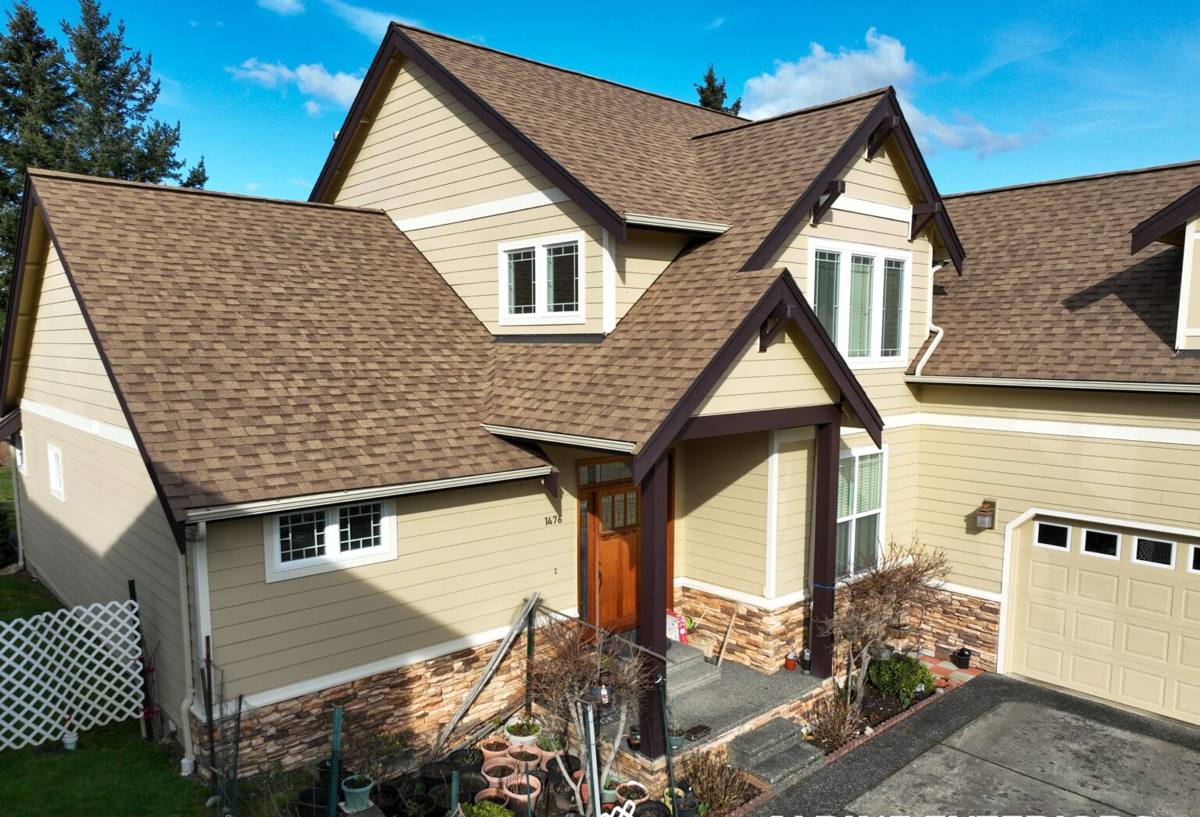
What a Roof in This Part of Sarasota Actually Has to Handle
Wind
Florida Building Code sets wind-uplift requirements for a reason. A metal roof that's rated and fastened correctly for our wind zone will stay put in a tropical storm or hurricane-force gust; one that's under-fastened, missing proper edge and ridge detailing, or installed with the wrong clip spacing can fail exactly where it matters most — at the perimeter and ridge lines.
UV and heat
Sarasota gets strong, direct sun for most of the year. UV breaks down cheap coatings and sealants over time, and heat cycling — hot days, cooler nights — stresses fasteners and panel seams. A quality finish system and correct panel expansion allowances matter more here than they would in a milder climate.
Wind-driven rain
It's not just how much rain falls — it's how it arrives. Wind-driven rain gets pushed sideways and upward under flashing and laps that would keep water out in a calm downpour. Underlayment quality and flashing detail work are what actually keep a roof dry during these events, not the panel material alone.
Salt air
Laurel Park isn't waterfront, but it's close enough to Sarasota Bay that salt-laden air is a factor for any exposed metal — fasteners, flashing, trim. Over years, the wrong fastener or flashing metal will corrode faster here than the same components would inland, even if the roof panel itself is rated for coastal use.
Why Metal Roofing Fits Laurel Park Specifically
Laurel Park's housing stock is a mix — original mid-century homes, renovated bungalows, and newer builds sitting on the same tree-lined streets. Metal roofing works well across that mix for a few practical reasons:
- It carries strong wind-uplift ratings when installed to spec, which matters in a named-storm-prone county
- It sheds the heavy tree debris common under mature canopy better than granule-surfaced roofing, which can trap organic material and hold moisture
- It reflects more heat than dark asphalt, which helps on homes with less attic ventilation than modern construction
- Standing seam profiles in particular suit both traditional bungalow rooflines and more modern renovations, without looking out of place on either
Some homes in Laurel Park's older sections have roof geometry — hips, dormers, low-slope porch sections — that needs more careful flashing and transition work than a simple gable roof. That's a detailing issue, not a reason to avoid metal roofing, but it is a reason to hire a crew that has actually worked on homes with that kind of layout.
Standing Seam vs. Exposed Fastener: What We Recommend and Why
Both systems have a place, but they behave differently over time, especially in a coastal-adjacent, high-UV environment.
| Factor | Standing Seam | Exposed Fastener |
|---|---|---|
| Fasteners | Hidden, in concealed clips | Visible, through the panel face |
| Long-term seal reliability | No penetrations through the panel to fail | Depends on fastener gaskets, which age and need eventual replacement |
| Wind performance | Excellent with correct clip spacing | Good, but more fastener points to maintain |
| Upfront cost | Higher | Lower |
| Appearance | Clean, low-profile — suits historic and modern homes alike | More visible seams and screw heads |
| Maintenance | Minimal | Periodic fastener/gasket inspection recommended |
For most Laurel Park homes, we lean toward standing seam because it removes the ongoing maintenance item of aging fastener gaskets — which, in a salt-air environment, is the first thing that tends to fail on an exposed-fastener system. Exposed-fastener panels are a reasonable option on budget-driven projects like sheds, additions, or porch roofs, and we'll say so honestly when that's the better fit for a given job.
What a Correct Metal Roof Installation Actually Involves
The panel itself is only part of the system. Most metal roof failures we get called to inspect trace back to installation shortcuts, not the material.
Underlayment
A high-temperature-rated synthetic or self-adhered underlayment is standard under metal in this climate — metal panels run hotter than shingles, and cheap felt underlayment degrades faster underneath them.
Fastening and clip spacing
Wind-uplift performance is only as good as the fastening schedule. Clip spacing and fastener type need to match the wind zone and roof geometry, not just a generic manufacturer minimum.
Flashing and penetrations
Valleys, chimneys, skylights, and wall transitions are where roofs actually leak. Correct step flashing, counter-flashing, and sealant selection at every penetration matters more than any single spec of the panel itself.
Ventilation
Metal roofs perform best with proper attic or roof-deck ventilation. On older Laurel Park homes with limited original ventilation, we look at whether ridge venting or other upgrades make sense as part of the project, not as an afterthought.
Fastener and trim metal compatibility
Mixing incompatible metals (galvanic corrosion) is a real risk near the coast. Fasteners, flashing, and trim need to be compatible with the panel material — this is a detail that's easy to get wrong if a crew isn't used to coastal-adjacent installs.
What Drives Cost on a Laurel Park Metal Roof
| Factor | Why It Matters Here |
|---|---|
| Panel system chosen | Standing seam costs more upfront than exposed-fastener panels but needs less long-term maintenance |
| Roof complexity | Hips, dormers, and multiple roof planes common on older Laurel Park homes add labor and flashing work |
| Tear-off vs. overlay | Older homes may have layers or decking issues that need addressing before new panels go on |
| Access and lot constraints | Mature trees and tighter lots typical of this neighborhood can affect staging and material handling |
| Ventilation upgrades | Adding or improving attic ventilation as part of the project affects scope and price |
We won't quote a number without seeing the roof — every one of these factors changes the estimate, and giving a ballpark before an inspection does homeowners a disservice.
How We Approach a Laurel Park Metal Roof Project
- On-site inspection of the existing roof deck, flashing points, and ventilation — not just a measurement from the street
- A written scope that specifies panel type, fastening schedule, underlayment, and flashing details, not just "metal roof"
- Wind-uplift rating and fastening plan matched to Sarasota County's wind zone requirements
- Permitting handled correctly for the jurisdiction, including any applicable inspections
- Careful staging and cleanup given the tighter lots and tree cover common in Laurel Park
- A final walkthrough covering maintenance expectations before we consider the job done
Why Local Experience in Laurel Park Specifically Matters
A roofing crew that's worked in Laurel Park before already knows the kind of roof geometry, tree-canopy access challenges, and older-home decking conditions they're likely to run into. That's not a small thing — it means fewer surprises mid-project and a scope that reflects reality instead of guesswork. It also means we understand how proximity to Sarasota Bay affects material and fastener choices, and we specify accordingly rather than treating every job the same regardless of location.
Sarasota County's permitting and wind-load requirements are specific, and a crew that pulls permits here regularly moves through that process without it becoming the homeowner's problem to manage.
Maintenance Checklist for Metal Roofs in This Climate
- Clear leaves and debris from valleys and gutters after storms, especially under tree canopy
- Have flashing and sealant points inspected annually, not just after visible damage
- Check for any dissimilar-metal contact points (fasteners, trim, gutters) for early corrosion signs
- After any major wind event, have the roof looked at even if there's no visible interior leak
- Keep an eye on exposed-fastener gaskets if that's the system installed — they age faster in coastal air
Get a Straight Answer on Your Roof
If you're weighing a metal roof for a home in Laurel Park, the most useful next step is an on-site look at your actual roof — its geometry, decking condition, and ventilation — rather than a phone-quote guess. We offer free, no-pressure estimates and will walk you through what your specific roof needs and why, using the form below.