 Sarasota Siding
 Siding in Palmer Ranch: What the Climate Actually Does to a House
Palmer Ranch sits inland enough from the barrier islands to feel a little sheltered, but it's still Sarasota County, and Sarasota County still gets the full menu: long stretches of high humidity, intense subtropical sun nearly every month of the year, sideways rain during summer storms, and the occasional direct hit or near-miss from a tropical system. Homes here don't fail overnight. They fail slowly, from thousands of small exposures that add up over a decade or two if the exterior wasn't built for the job.
The neighborhood's mix of newer planned-community construction and older infill means we see a wide range of siding conditions on any given street — some houses with cladding that's held up fine, others with visible swelling, cracking, or fading well before their time. The difference usually isn't luck. It's what material was on the wall and how it was installed.
The Specific Stresses Palmer Ranch Homes Face
- UV load: Florida sun breaks down pigments and plastics faster than almost anywhere else in the country. Cladding rated for northern climates often chalks, fades, or gets brittle years ahead of schedule down here.
- Humidity and moisture cycling: Wood-based and wood-derivative products absorb ambient moisture even without a direct leak, and that constant swell-and-shrink cycle is what drives long-term warping and seam failure.
- Wind-driven rain: During Gulf-fed storms, rain doesn't just fall — it gets pushed sideways into wall assemblies. Any siding system with weak seams, poor flashing detail, or a manufacturer-required gap that wasn't followed at installation becomes a moisture entry point.
- Salt air: Palmer Ranch isn't beachfront, but salt-laden air still moves inland across the county, and it accelerates corrosion on fasteners and metal trim over time.
- Storm wind: Even non-catastrophic wind events put real pressure on siding attachment. A product and installation method rated for hurricane-force wind isn't overkill here — it's the baseline.
Why We Only Install James Hardie Fiber Cement
We get asked fairly often why we don't offer vinyl, LP SmartSide, Cemplank, Allura, or primed wood siding alongside Hardie. The honest answer is that we made a call, as a company, to standardize on one product system rather than sell whatever a homeowner happens to ask for. That's not a knock on every alternative — some of them are reasonable products in the right climate. It's that after years of installing and repairing exteriors in this part of Florida, we don't think most of them hold up as well here, and we'd rather build a business around the one that does than keep patching the ones that don't.
James Hardie fiber cement is engineered from cement, sand, and cellulose fiber — it doesn't have organic wood content for moisture to feed on, and it's non-combustible. Hardie also makes an HZ10 product line specifically engineered for hot, humid climates like ours, with moisture and UV performance tuned for exactly the conditions Sarasota County throws at a house year-round. The factory-applied ColorPlus finish is baked on under controlled conditions rather than field-painted, which is a meaningful part of why the color holds up longer against Florida sun than most field-applied coatings.
What We Actually Weigh Against Other Products
| Factor | James Hardie Fiber Cement | Typical Alternatives (vinyl, engineered wood, etc.) |
|---|---|---|
| Moisture behavior | Cement-based, doesn't feed on moisture or rot | Wood-based products can swell, delaminate, or rot if moisture gets behind them |
| UV/color stability | Factory-baked ColorPlus finish resists fading | Field-applied paint or molded-in vinyl color fades or chalks faster in intense sun |
| Fire rating | Non-combustible | Combustible in the case of wood-based products |
| Installation sensitivity | Requires correct fastening, clearances, and caulking per Hardie spec | Varies; some products are more forgiving, others equally sensitive to gaps and seams |
| Warranty structure | Strong, transferable manufacturer warranty when installed to spec | Varies widely by brand and installer compliance |
The trade-off with Hardie is that it's heavier to handle, it requires specific fastening patterns and clearances, and it has to be installed correctly to perform the way it's rated to. That's precisely why installation quality matters as much as the product choice — a great material installed wrong will still leak, crack at the seams, or fail its warranty terms.
How We Approach a Palmer Ranch Siding Project
Every job starts with an honest look at what's actually happening on the wall, not just what's visible from the street. We check for soft spots, past water intrusion, and whether the underlying sheathing needs attention before new siding goes on — covering a problem instead of fixing it just guarantees a repeat visit down the road.
What Proper Installation Involves
- Correct starter strip and flashing details at every horizontal transition, window, and door opening
- Manufacturer-specified fastener spacing and penetration depth — over-driven or under-driven nails are one of the most common causes of premature siding failure
- Proper clearances from rooflines, decks, and grade so water has somewhere to go instead of wicking into the board
- Correct caulking and sealing at seams and butt joints, using products compatible with ColorPlus finishes
- Attention to local wind-load fastening requirements, since Sarasota County's wind zone isn't the same as installing the same product inland or up north
A crew that installs Hardie in Sarasota County week after week knows these details cold. That's the practical case for hiring local: it's not sentiment, it's that the person on your roofline has actually dealt with this climate's specific failure patterns before, not just read about them.
Beyond Siding: The Full Exterior Envelope
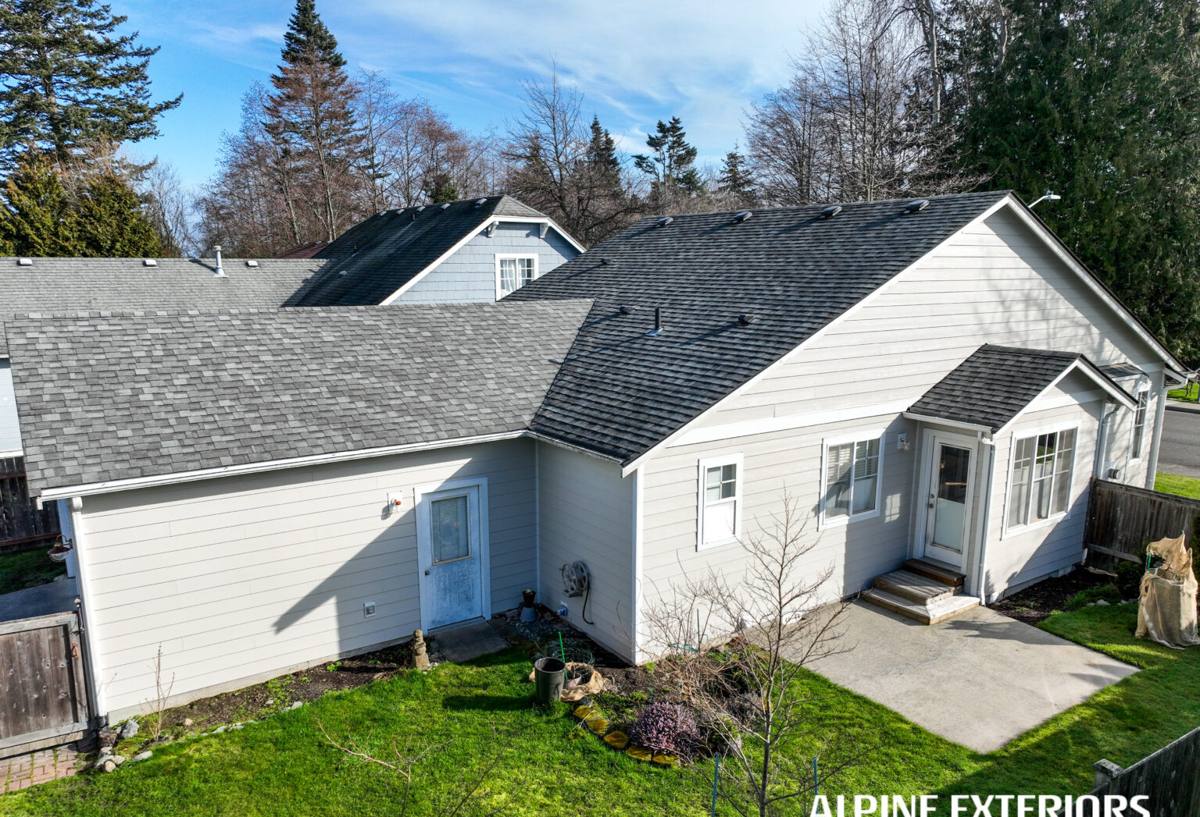
Siding doesn't work in isolation — it's one piece of the exterior system that keeps water and wind out of a house. We also handle roofing, windows, and decks, because a home's exterior is only as strong as its weakest connection point. A new siding job with a failing roof deck above it, or window flashing that was never properly integrated, just moves the leak somewhere else.
Where These Systems Meet
- Roof-to-wall transitions: Poor flashing where the roofline meets the siding is a common source of hidden leaks, especially after wind-driven rain events.
- Window and door integration: Siding has to be properly flashed and sealed around every opening — this is one of the most failure-prone details in any exterior, regardless of siding brand.
- Decks and attached structures: Ledger boards and attachment points where a deck meets the house need the same moisture-management attention as the siding itself.
Because we handle all of these trades, we can look at a Palmer Ranch home as one connected system rather than four separate quotes from four separate companies that may not talk to each other.
Signs a Palmer Ranch Home May Need Siding Attention
Most siding problems announce themselves quietly, long before a homeowner notices a visible failure. Some worth checking for:
- Visible cracking, buckling, or gaps at seams and corners
- Soft or spongy spots when pressed gently, especially near the bottom courses or around windows
- Persistent fading or chalking that's noticeably worse than neighboring homes
- Peeling or bubbling paint that keeps coming back after repainting
- Any musty smell or interior wall staining that could point to moisture getting behind the cladding
None of these guarantee a full replacement is needed — sometimes it's a repair, a resealing job, or addressing one bad section. But they're worth a professional look before they turn into a bigger problem.
Cost Factors Homeowners Should Understand
Every Palmer Ranch home is different, so we won't quote a number without seeing the house, but the factors that drive cost are consistent:
| Factor | Why It Matters |
|---|---|
| Home size and complexity | More linear footage and more corners, gables, and trim details mean more labor |
| Existing wall condition | Sheathing repair or moisture remediation adds scope before new siding can go on |
| Siding profile and finish | Lap width, texture, and color selections within the Hardie lineup affect material cost |
| Trim and accessory work | Corner boards, fascia, and soffit work are often bundled with a siding project |
| Access and site conditions | Landscaping, fencing, and setbacks affect how quickly a crew can work |
What to Ask Any Contractor Before You Hire
Whether you call us or someone else, these are reasonable questions for any Palmer Ranch homeowner to ask before signing a siding contract:
- Are you a certified or factory-trained installer for the specific product you're proposing?
- What does the manufacturer warranty actually cover, and does it require a certified installer to stay valid?
- Will you follow manufacturer-specified fastening and clearance requirements, and can you explain what those are?
- How do you handle flashing at windows, doors, and roof transitions?
- What's your plan if you find moisture damage or bad sheathing once the old siding comes off?
A contractor who can answer these clearly and specifically, without hand-waving, is worth taking seriously. One who can't should give you pause regardless of price.
Let's Take a Look at Your Home
If you're weighing a siding replacement, dealing with an aging exterior, or just want an honest read on what condition your home is in, we're happy to take a look. The estimate is free, there's no pressure, and you'll get a straight answer about what your Palmer Ranch home actually needs — whether that's a full replacement or something smaller.