 Sarasota Siding
 Why Palmer Ranch Windows Have to Work Harder Than Most
Palmer Ranch sits inland enough to feel established and shaded, but it's still Sarasota County — which means every window on your home is dealing with the same conditions the rest of the Gulf Coast fights every year. Hurricane-force wind events, months of intense UV exposure, wind-driven rain that finds any weak seal, and salt-laden air that creeps inland further than most homeowners expect. Windows that were fine ten or fifteen years ago in a milder climate get worn down fast here. Seals fail, frames warp, glass coatings degrade, and the energy bill creeps up long before anyone notices a visible problem.
An energy-efficient window for a Palmer Ranch home isn't just about comfort or a lower electric bill, though both matter. It's about a window system — frame, glass, and installation together — that's rated to survive wind pressure, keeps water out during a sideways summer storm, and doesn't degrade prematurely from UV and salt exposure. Get any one of those three wrong and the "energy-efficient" part stops mattering, because a failed seal or a cracked frame leaks conditioned air just as badly as an old single-pane window.
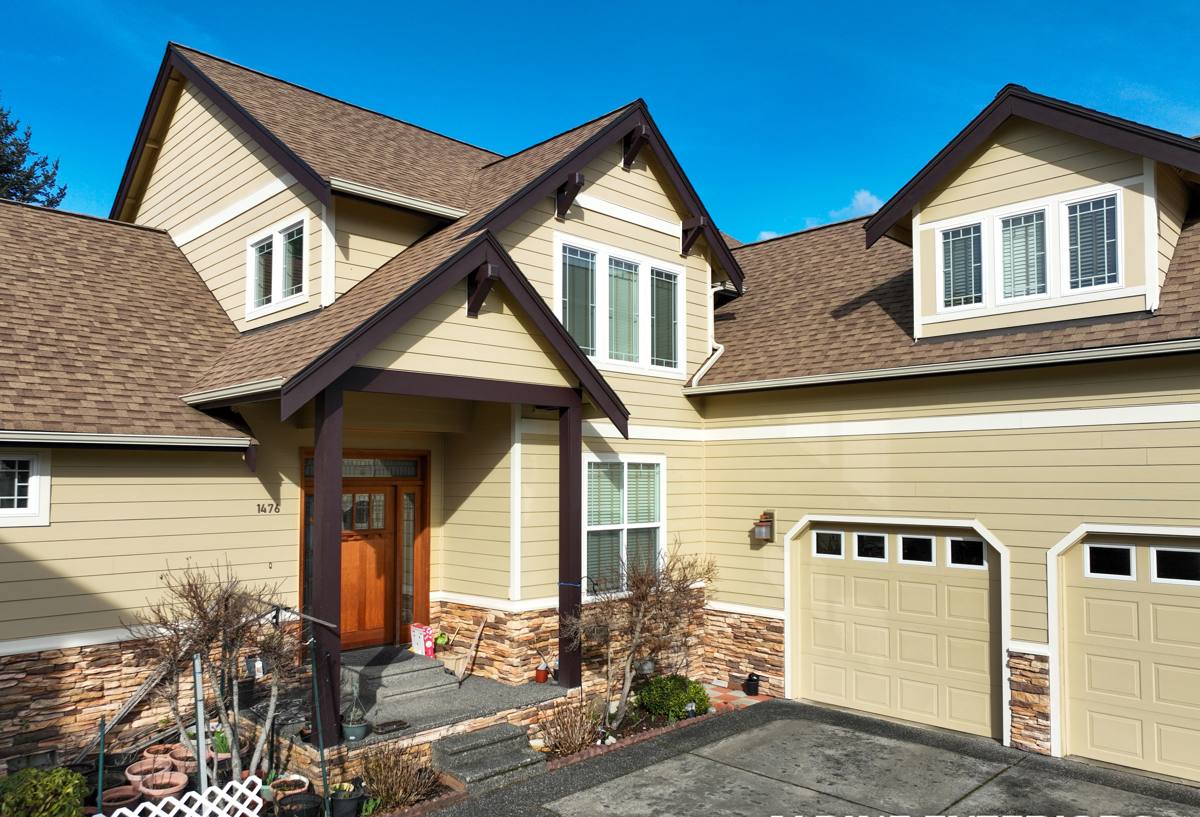
What "Energy-Efficient" Actually Means in This Climate
In a lot of the country, energy-efficient windows are mostly about keeping heat in during winter. In Sarasota, the job is almost the opposite: keep the Florida sun and humidity out, keep the air conditioning in, and do it while surviving wind loads that don't exist in most of the country's building codes. That changes what actually matters in a window package.
The Ratings That Matter Here
- U-Factor — measures how much heat transfers through the window. Lower is better for keeping AC-cooled air inside.
- SHGC (Solar Heat Gain Coefficient) — measures how much solar heat passes through the glass. This is the number that matters most in our climate; a low SHGC keeps direct Florida sun from turning a room into a greenhouse.
- Impact Rating — whether the glass and frame assembly is rated to resist windborne debris at hurricane wind speeds, tested as a full unit, not just the glass alone.
- Air Infiltration Rating — how much air leaks through the frame and sash under pressure. A poorly rated frame will leak conditioned air even with excellent glass.
A window can have great glass and still perform poorly if the frame, weatherstripping, or installation is subpar. That's the piece that gets skipped when a job is rushed, and it's usually the piece that fails first.
Signs Your Current Windows Are Costing You Money
Most homeowners don't replace windows because one shatters — they replace them because the signs of failure show up gradually and eventually the math stops making sense.
- Rooms near west- or south-facing windows that feel noticeably hotter than the rest of the house by afternoon
- Condensation or fogging between panes, which means the seal has already failed
- Frames that feel warm to the touch on a hot day, or noticeably drafty near the sash on a windy one
- Visible warping, chalking, or discoloration on aluminum or vinyl frames from UV exposure
- Water staining or a musty smell near the sill after a heavy rain — a sign water is getting past the frame
- A cooling bill that's crept up over a few years with no other explanation
Any one of these is worth a look. Several together usually means the windows are past the point where caulk and weatherstripping fixes will hold.
Frame Materials and Glass: What We Recommend and Why
There's no single "best" window for every home — it depends on budget, sun exposure, and how the home is oriented. But some materials consistently perform better than others in this climate, and we're upfront about the trade-offs of each rather than pushing one option on every job.
| Material | Strengths in This Climate | Trade-Offs |
|---|---|---|
| Vinyl | Won't corrode from salt air, good insulation value, low maintenance | Can expand/contract with heat cycling if lower-grade; quality varies a lot by manufacturer |
| Aluminum | Strong, narrow sightlines, holds up structurally under wind load | Conducts heat unless thermally broken; more prone to salt-air corrosion over time near the coast |
| Fiberglass | Very stable in heat, strong, minimal expansion/contraction, long lifespan | Higher upfront cost than vinyl |
| Wood (clad) | Traditional appearance where that matters for the home's style | Highest maintenance burden in humid, salt-air conditions — not our default recommendation here |
For most Palmer Ranch homes, we lean toward vinyl or fiberglass frames paired with impact-rated, Low-E coated glass — that combination consistently gives the best balance of energy performance, durability, and reasonable cost. Aluminum still has a place, particularly on larger openings where frame strength matters most, but we'll walk through the trade-offs on your specific home rather than defaulting to one material across the board.
Impact Glass vs. Storm Shutters
Impact-rated windows and separate storm shutters both satisfy Florida's wind-borne debris requirements, but they solve the problem differently. Shutters require action before every storm — someone has to physically deploy them, and that's easy to put off or forget if you're not home. Impact glass is built into the window itself, so the protection is there all the time, it doesn't block natural light or views day to day, and it also happens to improve everyday energy performance and sound dampening, which shutters don't do. For homeowners who want protection without an added routine every hurricane season, impact glass is generally the more practical long-term choice.
How We Approach a Window Job in Palmer Ranch
The process is the same on every home, but the details — measurements, flashing approach, glass package — get adjusted to that specific house's exposure and orientation.
- On-site assessment. We look at existing frame condition, sun exposure by elevation, and any signs of water intrusion or structural issues around openings before recommending anything.
- Precise measurement and product selection. Windows are ordered to the exact opening, not a stock size, with a glass and frame package matched to that elevation's sun and wind exposure.
- Removal of old units. Old frames come out carefully to avoid damaging the surrounding stucco, siding, or interior trim.
- Inspection of the rough opening. This is the step that gets skipped on rushed jobs and causes problems later. We check for water damage, rot, or deteriorated substrate before anything new goes in — sealing a new window over a compromised opening just hides the problem.
- Proper flashing and sealing. Correct flashing integration and sealant application is what actually keeps wind-driven rain out — more important, in practice, than the window unit itself.
- Installation and fastening to code. Units are fastened per the manufacturer's engineering specs and current Florida Building Code wind-load requirements for this zone.
- Final inspection and cleanup. We check operation, seal integrity, and finish work before calling the job done.
Permits, Codes, and HOA Considerations
Window replacement in Sarasota County requires a permit, and impact-rated products need to meet current Florida Building Code wind-load requirements for our wind zone. We handle the permitting process as part of the job rather than leaving it to the homeowner. If your section of Palmer Ranch falls under an HOA with architectural review requirements — frame color, grid pattern, or exterior appearance restrictions are common in planned communities — that's worth checking before ordering, and we're happy to work from whatever guidelines your association has on file.
What Affects the Cost of a Window Project
Every home is different, so we won't quote a number without seeing the job, but these are the factors that actually move the price up or down:
| Factor | Why It Matters |
|---|---|
| Number and size of openings | More or larger windows means more material and labor |
| Frame material | Vinyl, fiberglass, and aluminum carry different material costs |
| Glass package | Impact-rated, Low-E coated glass costs more than basic double-pane, but performs significantly better here |
| Opening condition | Rot or water damage found during removal adds repair work before install |
| Access and elevation | Second-story or hard-to-reach openings take more labor time |
| Full-frame vs. insert replacement | Full-frame replacement costs more but is often the right call on older or damaged openings |
We'll always explain which of these apply to your home and why, rather than handing over a number with no context.
Keeping Your Windows Performing After Install
A properly installed, quality window still benefits from basic upkeep in this climate — mostly to protect against the salt air and UV exposure that wear down seals and hardware over time.
- Rinse frames and tracks periodically to clear salt residue, especially on homes closer to the coast
- Check and clean weep holes so water drains properly instead of pooling in the frame
- Inspect exterior caulking annually and have gaps resealed before they let water in
- Operate hardware (locks, cranks, rollers) regularly so they don't seize up
- Watch for condensation between panes — it's the clearest sign a seal has failed
Why Local Installation Experience Matters
Anyone can sell a window. Installing it correctly on a home built for Florida's climate and code requirements is a different skill, and it's one that comes from doing it repeatedly in this specific area — not from a national playbook written for a different climate. A crew that regularly works in Palmer Ranch and the surrounding Sarasota area knows the wind-load requirements for this zone, has relationships with the local permitting office, and has seen firsthand what happens when flashing or fastening is done wrong on a Gulf Coast home. That experience shows up in the details that don't get inspected after the fact — the flashing behind the frame, the sealant bead, the fastening pattern — which is exactly where most window failures actually start.
If your windows are showing their age, running up your cooling bill, or you just want a straight answer about what your home actually needs, we're glad to walk through it with you. Reach out for a free, no-pressure estimate — someone will take a look at your home's specific openings and exposure and give you an honest recommendation, no obligation attached.