 Sarasota Siding
 Deck Repair Built for Osprey's Climate
Osprey sits on a narrow stretch of Sarasota County between the Gulf and Little Sarasota Bay, which means most decks here take a harder beating than decks built even twenty or thirty miles inland. Salt-laden air moves off the water and settles into every joint, fastener, and board surface. Add in intense, near year-round UV exposure, sudden wind-driven downpours, and the occasional hurricane-force wind event, and you have a climate that is genuinely tough on outdoor structures. A deck that would coast along for fifteen years with minimal attention in a drier, cooler climate can develop real structural issues here in half that time if it isn't built and maintained with this environment in mind.
We repair decks throughout Osprey and the surrounding Sarasota area, and the patterns we see are consistent: fasteners corroding faster than the wood around them, ledger boards pulling away from the house after repeated wet-dry cycles, and surface boards that look fine from a distance but are soft or delaminating underneath. Understanding why these things happen here is the first step to fixing them properly instead of just patching the symptom.
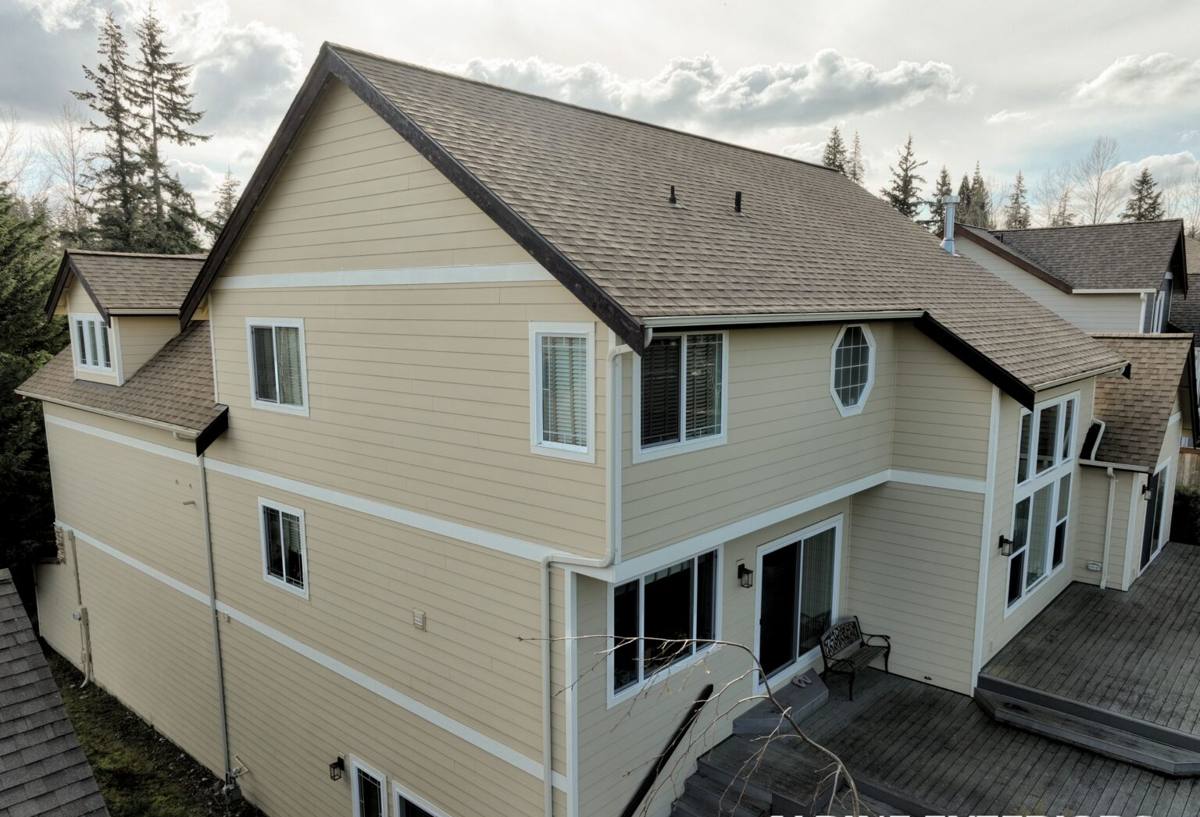
What Osprey's Environment Does to a Deck
Salt Air and Corrosion
Even homes that aren't directly on the water still sit close enough to the Gulf and the bay that airborne salt reaches every exposed surface. Standard steel fasteners, brackets, and connectors corrode faster in this environment than most homeowners expect. Once a fastener starts to rust, it swells slightly and weakens its grip on the wood, which is often the real reason a board feels loose or a railing has started to wobble — the wood itself may be fine, but the hardware holding it isn't.
UV Breakdown
Florida sun is relentless on horizontal surfaces. UV exposure breaks down the lignin in wood fibers and degrades the UV inhibitors in composite decking over time, leading to graying, surface checking, and a general loss of the material's protective top layer. This is a slow, cumulative process, which is why decks that look "mostly fine" can still have significant surface degradation that's setting up bigger problems underneath.
Wind-Driven Rain and Moisture Cycling
Afternoon storms in Sarasota County don't just add moisture — wind drives that rain sideways and underneath railings, stair stringers, and ledger connections, areas that weren't designed to shed water the way a flat deck surface is. That moisture gets trapped, dries slowly in the shade under the structure, and repeats the cycle. This wet-dry cycling is what drives rot in framing members and causes fastener heads to work loose faster than in a drier climate.
Storm and Wind Load
Hurricane-force wind events put real lateral and uplift stress on railings, stair connections, and the ledger attachment to the house. A deck that was built to older or minimal code standards may have connections that were adequate decades ago but don't meet what's actually needed to handle repeated storm seasons in this part of Florida.
Common Deck Problems We Find in Osprey
- Soft, spongy, or spring-feeling deck boards, especially near the house or in shaded areas that stay damp longer
- Rust staining around fasteners or visible corrosion on brackets, joist hangers, and railing hardware
- A ledger board that has separated slightly from the house, sometimes visible as a gap or water staining along the siding above it
- Wobbly or loose railings and posts, often from corroded or backed-out fasteners rather than broken wood
- Cupping, cracking, or splintering boards from sun and moisture cycling
- Composite decking that has faded unevenly, developed surface mold, or shows swelling at cut ends
- Stair stringers or treads that flex or show rot at ground contact points
- Under-deck framing (joists, beams, posts) with visible rot, insect damage, or corrosion where it meets fasteners
What a Correct Repair Actually Involves
Deck repair done right starts with an honest structural assessment, not just a look at the surface. We check the ledger connection to the house first, since that's the single most safety-critical joint on almost any attached deck. From there we inspect framing (joists, beams, and posts) for soft spots, rot, and fastener corrosion, then move to the surface decking, railings, and stairs.
Repair scope generally falls into a few categories, and it's important to match the repair to what's actually wrong rather than defaulting to the cheapest visible fix:
| Issue Found | What It Usually Requires |
|---|---|
| A few soft or damaged boards | Targeted board replacement, matched to existing material where possible |
| Corroded fasteners, sound wood | Fastener and hardware replacement with corrosion-resistant hardware rated for coastal exposure |
| Ledger separation or water staining above it | Ledger inspection, flashing correction, and reattachment per proper structural fastening |
| Rot in framing members | Sistering or replacing affected joists, beams, or posts — not just covering them |
| Loose or unsafe railings | Post and railing reattachment with hardware sized for actual wind and load conditions |
| Widespread surface wear across an older deck | Full re-decking of the surface while reusing sound substructure, when the framing checks out |
The goal on every repair is the same: fix what's actually failing, use hardware and materials suited to a salt-air coastal environment, and leave the deck in a condition where the next inspection is routine maintenance, not another repair call.
Our Process for Osprey Deck Repairs
- On-site assessment. We walk the deck, check the ledger, get under the structure where accessible, and test boards, railings, and connections by hand rather than just eyeballing them.
- Honest scope and estimate. We explain what we found in plain terms — what's cosmetic, what's structural, and what can reasonably wait versus what shouldn't.
- Material and hardware selection. For coastal Sarasota County properties, that generally means corrosion-resistant fasteners and connectors, and decking or wood treated appropriately for sun and moisture exposure.
- Repair work. Structural repairs happen before cosmetic ones — a beautiful new board on a compromised joist doesn't solve anything.
- Final check. We recheck railings, stairs, and fastening before calling the job done, and point out anything worth watching going forward.
Repair vs. Replacement: Making the Right Call
Not every deck problem calls for a full rebuild, and not every deck is worth patching indefinitely either. The honest answer depends mostly on the condition of the framing underneath the surface, since that's the expensive part to fix and the part that determines safety.
As a general guide: if the substructure (joists, beams, posts, ledger) is sound and the issues are limited to surface boards, hardware, or railings, repair is almost always the right call and the more cost-effective path. If rot or corrosion has spread through multiple framing members, or the deck was undersized or under-fastened for Florida wind conditions to begin with, a full or partial rebuild is usually the more responsible recommendation — patching a compromised frame just delays a bigger problem and can create a safety risk in the meantime.
We'll always tell you honestly which category your deck falls into and why, rather than pushing toward the larger job by default.
Maintenance That Actually Extends a Deck's Life Here
- Rinse salt residue and debris off the deck surface periodically, especially after storms with onshore wind
- Keep gutters and downspouts directing water away from the deck and ledger area, not onto it
- Check railing posts and stair connections by hand once or twice a year — a little give is worth catching early
- Keep vegetation and irrigation heads from spraying directly onto framing or the underside of the deck
- Reseal or refinish wood decking on the schedule appropriate to the product, since UV and moisture exposure here shortens typical intervals
- Have the ledger connection and under-deck framing looked at every few years, since that's the area least visible and most safety-critical
Why Local Experience Matters for This Job
Deck repair isn't a one-size-fits-all trade. A crew that mostly works inland climates may not think twice about standard fasteners or standard framing details, because in a drier, less corrosive environment those details hold up fine. In Osprey and the rest of Sarasota County, those same shortcuts show up as problems years sooner. Working this area regularly means we already know which failure points to check first, which hardware actually holds up near the water, and how local wind and moisture conditions should shape a repair — instead of relearning those lessons on your deck.
We also understand that a deck is often where a lot of outdoor living happens in this part of Florida — it deserves a repair that's both structurally sound and built to actually last through another few Gulf Coast storm seasons, not just patched to pass a glance.
If your deck in Osprey has soft boards, loose railings, rust stains, or you're just not sure what shape it's really in, we're happy to take a look. Reach out for a free, no-pressure estimate using the form below.