 Sarasota Siding
 Siding Replacement Built for Palmer Ranch, Not Just Sarasota in General
Palmer Ranch is one of the larger master-planned communities in Sarasota County, and it was built out in phases over several decades rather than all at once. That matters more than most homeowners realize when it's time to replace siding, because a street of homes built in one era can back up to a neighborhood from a different building cycle, with different original materials, different builder-grade details, and different amounts of weather exposure already baked into the walls. A siding replacement here isn't a one-size-fits-all job — it starts with understanding what's actually on the house now and what nearly thirty years of Gulf Coast weather has done to it.
What every home in Palmer Ranch does share, regardless of when it was built, is exposure to the same demanding Sarasota climate: hurricane-force wind events, intense year-round UV, wind-driven rain, and salt air drifting in off the Gulf. Siding that isn't engineered and installed for those specific conditions tends to fail faster here than the same product would somewhere inland or up north. This page covers what that climate actually does to siding, what a correct replacement involves, and why we install only James Hardie fiber cement on the homes we work on.
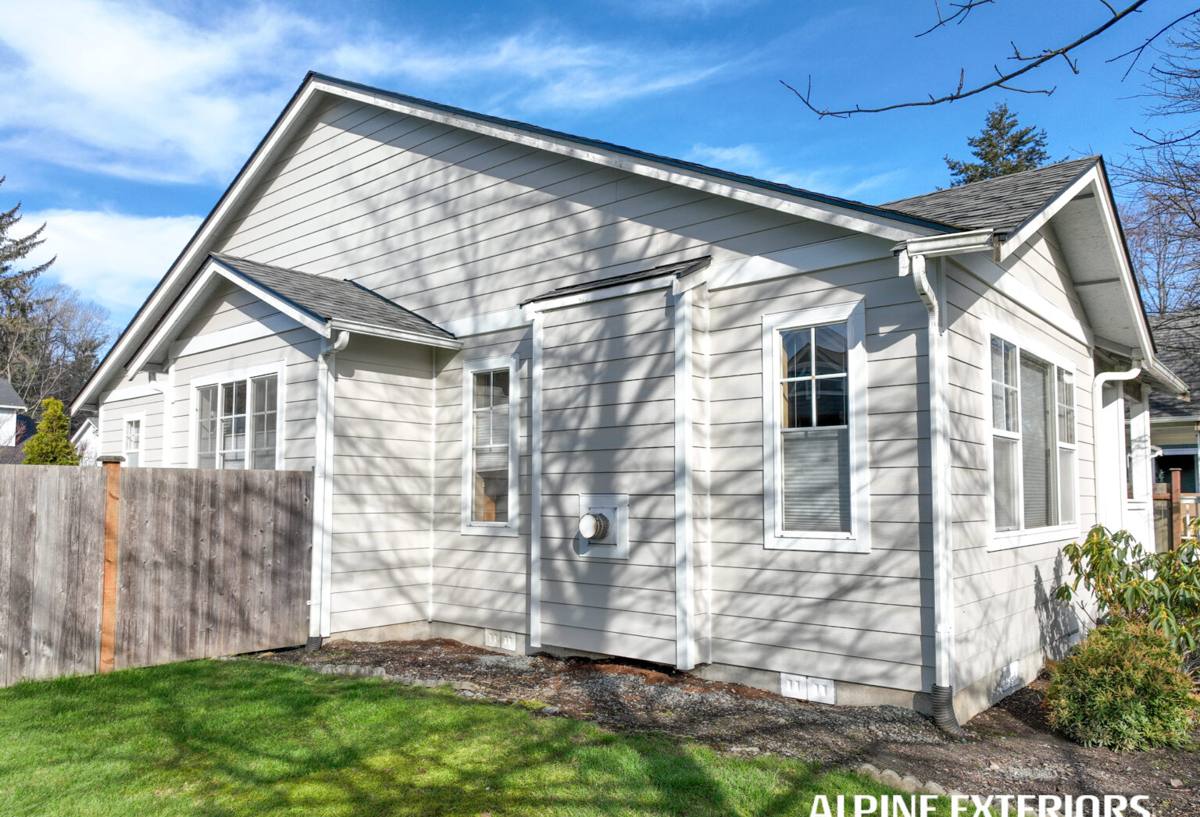
What Sarasota County's Climate Actually Does to Siding
Hurricane-Force Wind
Wind load is a real design condition for exterior materials in this part of Florida, not an occasional worst-case scenario. Siding that isn't rated and fastened correctly for local wind pressure can lift, crack, or pull away at the edges during a strong storm, and repeated wind cycling over years — not just named storms — loosens fasteners and stresses seams even when nothing fails outright. Replacement siding here needs to be engineered for those wind pressures from the start, with fastening patterns and trim details that hold up under repeated flexing.
Intense, Year-Round UV
Sarasota gets strong sun exposure essentially every month of the year, not just during a short summer season. That constant UV load breaks down paint films, fades color, and, on lower-grade materials, can cause warping or surface degradation over time. A siding product's factory finish and how well it resists UV breakdown is one of the biggest factors in whether a home still looks presentable ten or fifteen years after installation, or needs repainting well before that.
Wind-Driven Rain
Storms here rarely deliver rain straight down. Wind pushes water sideways and upward into seams, laps, and trim joints that a calm-weather rain would never reach. That's why the water management system behind the visible siding — house wrap, flashing at every penetration, correct lap and joint detailing — matters as much as the siding material itself. A beautiful product installed without correct water management will still let moisture in behind wind-driven rain, and once it's behind the siding, the problem is often invisible until it's serious.
Salt Air
Even well inland of the immediate coastline, Sarasota County homes deal with salt-laden air carried in off the Gulf. Salt accelerates corrosion on fasteners and metal trim components, and it can affect how some finishes and substrates hold up over years of exposure. Material choice and fastener grade both need to account for this, not just for homes directly on the water but for the wider region including a large inland community like Palmer Ranch.
Signs a Palmer Ranch Home Needs Siding Replacement, Not Just Repair
- Soft, spongy, or crumbling spots when you press on the siding — usually a sign of moisture damage behind the surface
- Visible cracking, warping, or buckling across multiple sections rather than one isolated spot
- Paint that won't hold anymore despite repeated repainting, which often points to a failing substrate underneath rather than a coatings problem
- Rising energy bills alongside visibly aging siding, which can indicate compromised insulation or air sealing behind the wall
- Bubbling, peeling, or discoloration concentrated near windows, doors, or roof-to-wall transitions, where water intrusion typically starts
- Visible gaps, separated seams, or trim pulling away from the wall, especially after storm season
- Siding that's simply reached the end of its practical service life for its material type, even without dramatic visible failure
Any one of these on its own might be a repair. Several together, or damage spread across more than one wall, usually means the more cost-effective move is a full replacement rather than chasing repairs on a system that's already failing.
Repair or Replace: How That Call Actually Gets Made
| Factor | Favors Repair | Favors Full Replacement |
|---|---|---|
| Extent of damage | Isolated to one section or wall | Spread across multiple walls or elevations |
| Underlying moisture barrier | Intact, only surface material affected | Compromised or unknown condition behind siding |
| Age of existing siding | Well within expected service life | Near or past typical lifespan for the material |
| Original installation quality | Correctly flashed and detailed originally | Builder-grade shortcuts or missing flashing found |
| Material type | Durable material with available matching stock | Discontinued or failure-prone original material |
| Storm damage pattern | Localized impact or wind damage | Widespread wind or water intrusion damage |
We give a straight answer on which side of this table your home falls on. Sometimes that means a smaller repair scope than a homeowner expected. Other times it means being honest that a repair would just be a temporary patch on a system that's already compromised underneath.
Why We Install Only James Hardie Fiber Cement
We don't install vinyl siding, LP SmartSide, Cemplank, Allura, or primed wood products, and that's a deliberate standard, not an oversight. Each of those products has legitimate uses in the right context, but given what Sarasota's climate does to exterior materials — the wind, the UV, the wind-driven rain, the salt air — we've standardized on James Hardie fiber cement because it holds up to that specific combination of stressors better than the alternatives, when it's installed to spec.
James Hardie fiber cement is non-combustible, which matters in a state where wildfire and structure fire risk are both taken seriously in code. It's engineered specifically for humid, high-UV, storm-prone climates through Hardie's HZ10 product line, which is the version built for exactly the kind of exposure Sarasota County sees. The ColorPlus factory finish process bakes color onto the board under controlled conditions before it ever reaches the jobsite, which gives it meaningfully better fade and wear resistance against year-round Florida sun than a field-applied paint job can match. And Hardie backs the product with a strong, transferable warranty — useful if you sell the home before the siding's practical life is up, which happens regularly in an active community like Palmer Ranch.
None of that is a knock on other products for every use case. It's a statement about what we've seen hold up on real homes in this exact climate over time, and why we'd rather turn down work that calls for a different material than install something we don't believe will perform here the way a homeowner expects.
What a Correct Siding Replacement Actually Involves
Full Removal and Inspection, Not Just a New Layer
Replacing siding correctly means taking the old material off and inspecting the sheathing and framing underneath before anything new goes up. This is where hidden moisture damage, rot, or failed original flashing gets found and corrected — problems that a re-side over existing siding would simply seal in place rather than fix.
Water Management Before the Siding Ever Goes Up
A correctly installed weather-resistive barrier, properly lapped and taped, along with flashing at every window, door, and penetration, is what actually keeps wind-driven rain out of the wall assembly. This layer does most of the real work of keeping a Sarasota home dry, and it's invisible once the siding is on — which is exactly why it needs to be done right the first time.
Fastening and Clearances Matched to Local Wind Requirements
Fastener type, spacing, and pattern all need to meet the wind load requirements for this part of Florida, not a generic national minimum. Correct clearances at the bottom of the wall and around penetrations also matter for long-term moisture performance, since tight or incorrect clearances trap water against the material instead of letting it drain and dry.
Trim, Caulking, and Finish Details
The visible finish work — corner trim, joint treatment, caulking at transitions — is what most homeowners judge a job by, and it also happens to be where a lot of long-term water intrusion problems start if it's rushed. Correct detailing here is both a workmanship issue and a performance issue.
Palmer Ranch's HOA Communities and What That Means for Your Project
Much of Palmer Ranch is organized into individual HOA-governed neighborhoods and villages, many with their own architectural review requirements for exterior color, trim style, and sometimes material. That's a normal part of planning a siding replacement here, and it's worth building into your timeline from the start rather than discovering it partway through a project. We're used to working within that process — pulling the right color and product documentation for a submission, and planning the schedule around approval timing rather than assuming work can start the day a homeowner is ready.
It's also common in a mixed-age community like this for neighboring homes to have been sided at different times with different products. That doesn't mean your replacement needs to match a neighbor's older material — it means going with what actually performs best for this climate now, which is part of why we're upfront about our Hardie-only standard from the first conversation.
How Our Process Works
- A no-pressure site visit to inspect the existing siding, look for signs of underlying moisture or structural issues, and understand the scope realistically
- An honest assessment of repair versus replacement, explained plainly, including if a full replacement isn't actually necessary yet
- A clear, itemized estimate covering material, tear-off, water management, and finish work — no vague lump-sum guessing
- Coordination with your HOA's architectural review process where applicable, so approval timing doesn't stall the project unexpectedly
- Full tear-off and inspection of the sheathing before any new material goes up
- Installation to manufacturer spec and local wind requirements, with correct water management as the priority underneath the visible finish
- A final walkthrough where we explain what was done and answer questions before calling the job complete
Why It Matters That We Already Work in Palmer Ranch
A contractor who mostly works elsewhere in the region can still do solid work here, but a crew that already works Palmer Ranch regularly isn't learning the community's HOA review process, its mix of building eras, or Sarasota County's permitting requirements on your project's timeline. We already know what documentation a given community typically wants for an architectural submission, what to expect finding behind siding from different construction periods in the area, and how to plan a schedule around Sarasota's storm season rather than getting caught mid-project by it. That familiarity translates into a more accurate estimate up front and fewer surprises once the work is underway.
If your Palmer Ranch home's siding is showing its age, or you just want a straight, no-pressure assessment of where it actually stands, we're glad to take a look and walk you through what we find. Reach out below for a free estimate.