 Sarasota Siding
 Siding Replacement Built for University Park's Exposure
University Park sits inland enough to avoid direct coastal spray but close enough to Sarasota Bay and the Gulf that salt-laden air still reaches every exterior surface on the property. Add in the intense, near year-round Florida sun, seasonal wind-driven rain, and the real possibility of hurricane-force gusts, and you have a combination that is genuinely hard on exterior siding. Homes in this community were largely built during a period when a wide range of siding materials were common — some of it holding up fine, some of it quietly failing behind the paint. When it's time to replace siding here, the goal isn't just matching what was there before. It's choosing a system engineered to handle what this specific climate does to a house, year after year.
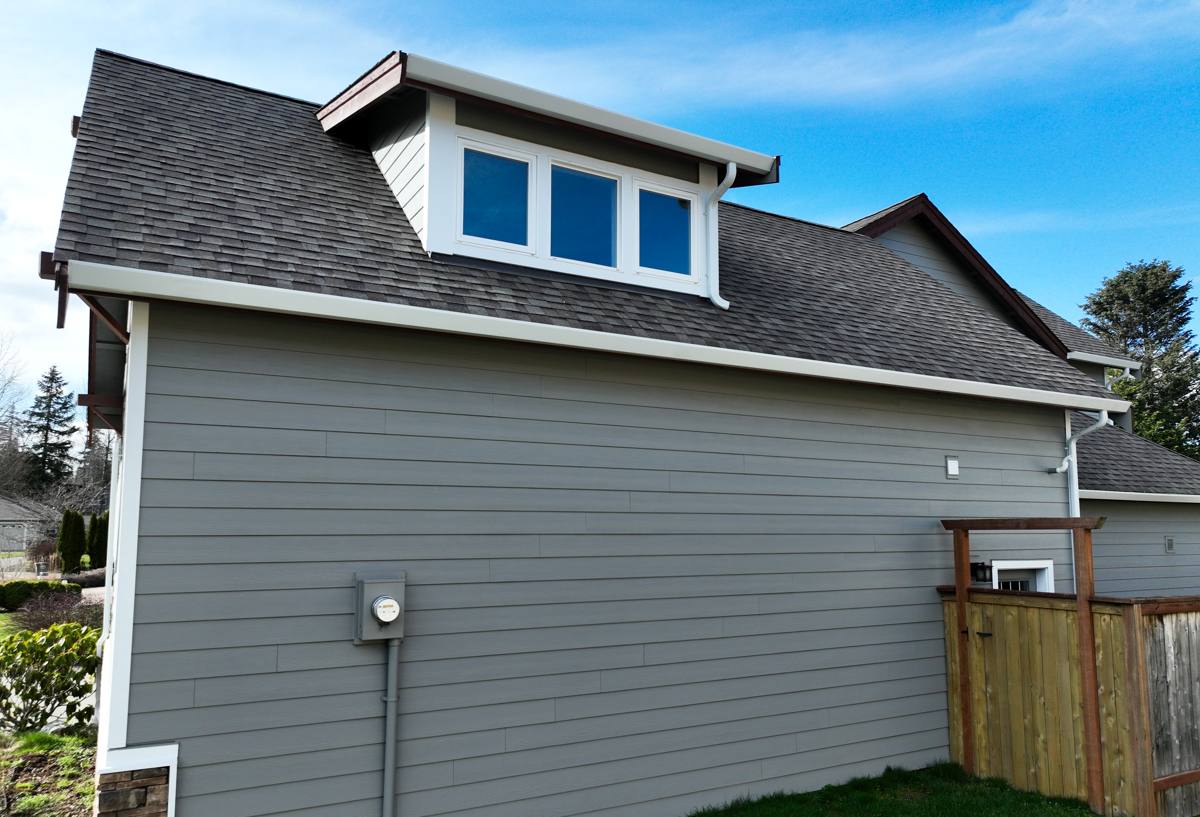
What This Climate Actually Does to Siding
It helps to understand the specific stresses at work, because they explain why some replacement jobs fail again within a decade and others last for decades.
UV Degradation
Sarasota County gets some of the most consistent, high-intensity sun exposure in the country. Over years, constant UV breaks down pigments and resin binders in lower-grade siding and paint finishes, leading to fading, chalking, and surface breakdown — especially on south- and west-facing walls.
Wind-Driven Rain
Florida storms rarely fall straight down. Wind pushes rain sideways and upward under laps, around trim, and into any gap in the water-resistive barrier. Siding that isn't installed with correct flashing and lap detail will let moisture in long before anyone sees a visible problem.
Salt Air
Even at University Park's inland distance from the coast, airborne salt accelerates corrosion of fasteners and metal trim, and it interacts with certain siding coatings over time, breaking down finishes faster than in drier, saltless climates.
Hurricane-Force Wind Loads
Siding on a Sarasota County home has to survive real wind-uplift forces, not just rain resistance. Fastening pattern, panel engineering, and installation method all matter more here than in most parts of the country.
Signs a University Park Home Needs Siding Replacement
Not every siding problem is obvious from the street. A thorough evaluation looks for both surface signs and the quieter indicators of moisture intrusion behind the cladding.
- Visible buckling, warping, or separation at panel seams and corners
- Soft or spongy spots when pressed, especially near the bottom courses and around windows
- Persistent paint failure — peeling, bubbling, or chalking that returns shortly after repainting
- Visible fastener corrosion or rust streaking below nail heads
- Gaps opening up at trim boards, corner boards, or window and door casings
- Interior signs such as musty odors, discoloration on interior walls, or unexplained humidity near exterior walls
- Siding that is original to a home built decades ago and has never been fully replaced
Why We Only Install James Hardie Fiber Cement Here
We made a decision as a company to install James Hardie fiber cement siding exclusively — not vinyl, not LP SmartSide, not Cemplank, Allura, or primed wood products. That's not a marketing position; it's a response to what actually holds up under Sarasota County conditions over the long haul.
| Factor | Vinyl Siding | Wood / Primed Wood | James Hardie Fiber Cement |
|---|---|---|---|
| Hurricane wind performance | Can crack, warp, or blow off in high gusts | Depends heavily on install quality; fasteners loosen over time | Engineered and rated for high-wind installation |
| UV / fade resistance | Fades and becomes brittle with prolonged sun exposure | Paint fades and requires frequent repainting | ColorPlus factory finish resists fading far longer than field-applied paint |
| Moisture behavior | Can trap moisture behind panels if not vented properly | Absorbs moisture, prone to rot and insect damage | Fiber cement doesn't rot or swell with moisture exposure |
| Combustibility | Can soften or melt under heat exposure | Combustible material | Non-combustible material |
| Typical maintenance | Low, but replacement is common after storm damage | High — regular repainting and repair | Low — periodic cleaning and inspection |
Vinyl siding is inexpensive and easy to install, and for some climates it's a reasonable choice. In a hurricane-exposed, high-UV, salt-air environment like Sarasota County, though, we've seen it underperform in ways that cost homeowners more over time — cracked panels, faded color, and wind damage that shows up well before a typical siding replacement cycle should end. Wood and primed wood products bring a classic look but demand ongoing maintenance that most homeowners don't want to keep up with in this climate, and moisture intrusion risk is real if that maintenance lapses. James Hardie fiber cement is non-combustible, holds its factory-applied ColorPlus finish far longer than field-painted alternatives, and is engineered with HZ5 product lines specifically rated for high-humidity, hurricane-prone climates like ours.
What Correct Siding Replacement Actually Involves
Fiber cement siding performs exactly as well as its installation. A rushed or incorrect install can undercut even the best product, so the process matters as much as the material.
Full Tear-Off and Substrate Inspection
We remove existing siding entirely rather than installing over it, which lets us inspect sheathing for rot, moisture damage, or insect activity that needs to be addressed before new siding goes on.
Water-Resistive Barrier and Flashing
A correctly lapped and sealed weather barrier, along with proper flashing at windows, doors, and any wall penetrations, is what actually stops wind-driven rain from reaching the sheathing — the siding itself is the second line of defense, not the first.
Fastening to Manufacturer Spec
James Hardie publishes specific fastener types, spacing, and placement requirements for high-wind zones. Following that spec precisely is what allows the siding to perform to its rated wind resistance — deviating from it is one of the most common causes of premature failure.
Trim, Caulking, and Finish Details
Corner boards, trim, and caulking at every joint need to be done with materials and methods suited to this climate, since a single poorly sealed joint can become a moisture entry point for years to come.
Our Process for a University Park Siding Replacement
- On-site evaluation — we inspect current siding, sheathing condition, and any moisture damage, and walk you through what we find
- Product and color selection — choosing the right Hardie plank profile, texture, and ColorPlus finish for your home
- Written scope and estimate — a clear breakdown of the work, materials, and timeline before anything is scheduled
- Tear-off and substrate repair — removing old siding and addressing any underlying damage found
- Weather barrier and flashing installation — the moisture-management layer that protects the home long-term
- Siding installation to manufacturer spec — correct fastening, spacing, and trim work
- Final walkthrough — reviewing the completed job with you before we consider it done
Neighborhood Considerations for University Park
Many established Sarasota County communities, University Park included, maintain architectural guidelines around exterior appearance — color palettes, trim details, and material consistency along a street or within a section. Homeowners here should confirm any community or association guidelines before finalizing a siding color or profile. James Hardie's ColorPlus lineup offers a wide enough range of factory-finished colors that matching a community's aesthetic expectations is rarely a limiting factor, and a crew familiar with the area can help you navigate that process without delays.
What Siding Replacement Costs Depend On
Every home is different, so we avoid quoting a number until we've actually seen the property. That said, the main factors that move the price are consistent across most jobs.
| Cost Factor | Why It Matters |
|---|---|
| Home size and wall complexity | More square footage, dormers, and corners increase material and labor |
| Substrate condition | Rot or moisture damage found during tear-off requires repair before new siding goes on |
| Siding profile and texture | Lap width, shake-style panels, and board-and-batten each price differently |
| Trim and detail work | Corner boards, window casing, and fascia detail add labor time |
| Access and site conditions | Landscaping, fencing, or multi-story sections can affect labor and equipment needs |
Why It Matters That We Already Work in University Park
A crew that has worked in University Park and similar Sarasota County communities understands the practical realities before the first panel is removed: what the wind exposure on a given lot typically looks like, how humidity and afternoon storms affect scheduling, and what kind of finish expectations are common in an established community like this. That familiarity translates into fewer surprises during the job and a finished result that's built for the conditions your home actually faces, not a generic install pulled from a different climate.
If your University Park home's siding is showing its age, or you're planning ahead of the next storm season, we're happy to take a look and give you an honest assessment — no pressure, no obligation. Request a free estimate below and we'll walk the property with you.