 Sarasota Siding
 Palmer Ranch's Climate Is Hard on Roofs — Metal Responds to It Differently
Palmer Ranch sits a few miles inland from the Gulf, but it still gets the full weather package that defines this part of Sarasota County: long stretches of intense UV exposure nearly year-round, sudden wind-driven rain during summer storms, salt-laden air that drifts in and settles on exterior surfaces, and the real possibility of hurricane-force winds during the season. Asphalt shingle roofs take a beating under that combination — granule loss accelerates, seals soften and re-harden with every heat cycle, and wind uplift finds any weak edge. Metal roofing doesn't make the climate go away, but it responds to it differently: mechanically fastened or interlocking panels, factory-applied coatings engineered for UV and salt exposure, and wind performance that, when installed correctly, holds up to gusts that would pull tabs and granules off a shingle roof.
We work in Palmer Ranch regularly, and when we see a metal roof failing early, it's almost never because metal was the wrong choice. It's because of installation shortcuts — wrong fastener spacing, missing underlayment at a penetration, or a panel system that didn't match the home's roof pitch and wind exposure in the first place.
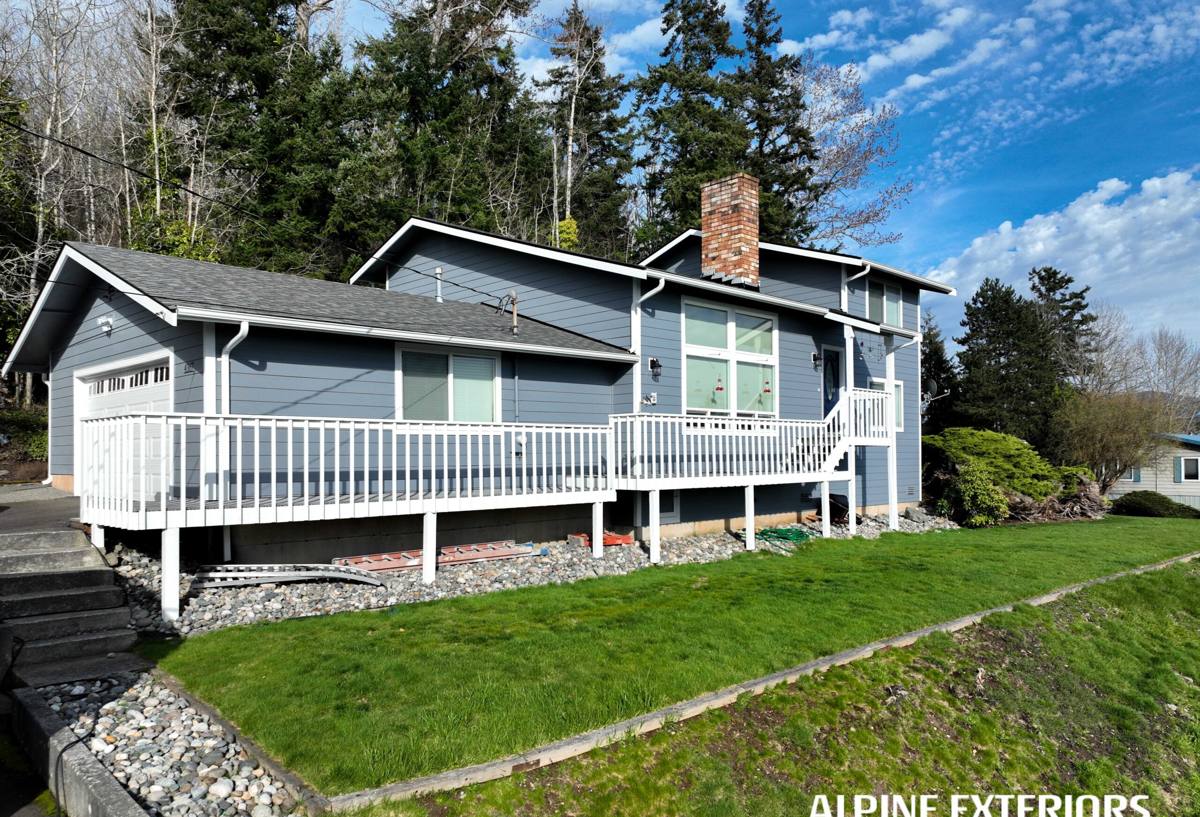
What Coastal Sarasota Weather Actually Does to a Roof
Wind
Florida Building Code sets wind-load requirements for roofing systems based on your location, and Sarasota County's coastal exposure means those requirements are not a formality. Wind doesn't just push down on a roof — it creates uplift at edges, ridges, and corners, which is exactly where poorly fastened panels or under-nailed shingles fail first. A metal roof's wind resistance comes from the whole system: panel gauge, fastener type and spacing, clip design (for standing seam), and how the edges and ridge are finished. Any one weak link undermines the rest.
UV and Heat
Sarasota gets sun exposure most of the year, and constant UV breaks down organic roofing materials over time — it's why shingles lose granules and asphalt underlayment gets brittle. Metal panels with a quality baked-on finish resist UV degradation far longer, and the reflectivity of lighter-colored finishes can noticeably reduce attic heat gain, which matters for cooling costs in a house that runs air conditioning most of the year.
Salt Air
Even a few miles from open water, salt travels on the wind and settles on any exposed metal — flashing, fasteners, vents, and the roof panels themselves. Left unaddressed, that salt accelerates corrosion, especially at cut edges and around fasteners where protective coatings are thinnest. This is why fastener and flashing material selection matters as much as the panel itself in this area.
Wind-Driven Rain
Florida storms rarely deliver rain straight down. Wind pushes it sideways and up under laps, ridge caps, and around penetrations like vents and skylights. A roof that sheds vertical rain fine can still leak in a wind-driven event if the underlayment, flashing details, and panel overlaps weren't built for that specific failure mode.
Metal Panel Options for Palmer Ranch Homes
Not every metal roofing system performs the same way, and the right choice depends on your roof's pitch, your budget, and how long you plan to own the home. Here's how the systems we install most often compare for a coastal Sarasota County property:
| Panel Type | Wind & Fastening | Salt Air Durability | Typical Best Use |
|---|---|---|---|
| Standing Seam | Concealed clips, no exposed fasteners through the panel face — strong uplift resistance when installed correctly | Very good; fewer penetration points for salt to attack | Primary roofs, homes planning to stay long-term |
| Metal Shingle / Tile-Profile Panels | Interlocking panels, fastened per manufacturer spec, good wind performance | Good, depends on coating quality and fastener material | Homes wanting a traditional shingle or tile look with metal's durability |
| Corrugated / Exposed-Fastener Panels | Fasteners penetrate the panel face; performance depends heavily on gasket condition and fastener spacing | Lower — exposed fasteners are the first point of corrosion and require future maintenance | Outbuildings, garages, budget-driven projects |
For primary residences in Palmer Ranch, we most often recommend standing seam or a quality interlocking panel system. Exposed-fastener panels cost less up front, but the fasteners eventually need re-torquing or replacing as gaskets age, which is an ongoing maintenance item most homeowners would rather not take on for a main roof.
What a Correct Installation Actually Involves
Deck Inspection and Prep
Metal roofing is only as good as what's underneath it. Before any panel goes on, the roof deck needs to be inspected for soft spots, delamination, or water damage from the old roof — and any bad sections get replaced, not covered over. Skipping this step is one of the most common shortcuts we see on jobs we're called in to fix later.
Underlayment
A high-temperature-rated synthetic or self-adhered underlayment goes down as the roof's real waterproofing layer. The metal panel sheds most water, but the underlayment is what protects the home if wind-driven rain gets under a seam or around a penetration — which, in this climate, it eventually will during a strong enough storm.
Fastening and Seams
Fastener spacing, clip type, and seam method aren't one-size-fits-all — they're specified based on the panel system, the roof's wind exposure category, and local code requirements. This is the step where corners get cut on underbid jobs, and it's also the step that determines whether the roof survives its first real wind event.
Flashing and Penetrations
Vents, skylights, chimneys, and wall transitions are where the majority of roof leaks actually start — not in the open field of the roof. Correct flashing detail work, matched to the panel profile and properly integrated with the underlayment, is what keeps these areas dry through wind-driven rain.
Cost Factors for a Palmer Ranch Metal Roof
Metal roofing costs more up front than asphalt shingles, but the range varies widely based on the factors below. Broad, honest ranges only — an accurate number requires an actual inspection of your roof.
| Factor | Why It Matters |
|---|---|
| Panel system chosen | Standing seam typically costs more than exposed-fastener panels due to material and labor complexity |
| Roof pitch and complexity | Steep roofs, multiple valleys, and dormers all add labor time and material waste |
| Tear-off vs. overlay | Removing an old roof down to the deck costs more than overlay but is usually the right call for long-term performance |
| Deck condition | Rotted or delaminated decking found during tear-off adds repair cost but is not optional to fix |
| Fastener and flashing material | Corrosion-resistant hardware costs more but is worth it in a salt-air environment |
| Roof accessories | Skylights, chimneys, and multiple roof penetrations each add flashing labor |
As a very general guide, metal roofing installed on a typical single-family home tends to run in the range of moderately more than a shingle roof, with standing seam at the higher end of that range. We'll give you a firm, itemized number after seeing your specific roof — not a generic square-footage estimate.
Our Process, From First Call to Final Walkthrough
- On-site inspection of the existing roof, deck, and any problem areas you've noticed
- Honest recommendation on panel system and whether tear-off or overlay makes sense for your roof
- Written estimate with material and labor broken out — no surprise add-ons mid-project
- Deck repair (if needed) and underlayment installation
- Panel installation with fastening and flashing detail work specified for coastal wind exposure
- Final walkthrough and cleanup, including magnetic sweep for stray fasteners in the yard
Signs Your Current Roof Is Already Struggling
Some warning signs are easy to spot from the ground or attic; others take a trained eye. Before your next storm season, it's worth checking for:
- Granule buildup in gutters or at downspout outlets (a sign of an aging shingle roof)
- Rust streaks or corrosion around existing metal flashing, vents, or fasteners
- Curling, cracked, or missing shingles, especially near ridges and edges
- Daylight visible through the roof deck from inside the attic
- Water stains on interior ceilings after a wind-driven rain event
- Soft or spongy spots when walking the roof (deck damage warning sign)
- Loose or rattling panels or shingles noticeable during high wind
Any one of these on its own isn't necessarily an emergency, but they're worth having looked at before hurricane season puts them to the test.
Why a Crew That Already Works in Palmer Ranch Matters
Roofing in Sarasota County means working within Florida Building Code's wind-load and permitting requirements, and a crew that pulls permits and passes inspections in this county regularly moves through that process without delays that catch out-of-area contractors off guard. It also means knowing which panel systems and coatings actually hold up under real salt-air, real-sun conditions here versus what looks good on a spec sheet written for a different climate. When we're already working in and around Palmer Ranch, that's fewer unknowns for you — a crew that shows up when scheduled, understands the neighborhood's typical roof styles and pitches, and isn't learning the local wind code on your project.
If you're weighing a metal roof for your Palmer Ranch home — or just want a straight answer on whether your current roof needs attention before storm season — we're glad to take a look. Use the form below to request a free, no-pressure estimate.