 Sarasota Siding
 Why Longboat Key Roofs Take a Harder Hit
Longboat Key sits out on a barrier island between the Gulf of Mexico and Sarasota Bay, which means every roof on the island is dealing with a tougher environment than a roof a few miles inland. There's nothing to break up the wind before it reaches a house here, and that same open exposure brings salt air, humidity, and near-constant sun. Individually, each of those is manageable. Together, over years, they wear roofing systems down faster than most homeowners expect.
Hurricane-force winds and tropical storms are the dramatic threat, but the slower damage matters just as much. Wind-driven rain finds any gap in flashing or lifted shingle edge and pushes water sideways and upward, not just down. Intense year-round UV bakes shingles and sealants until they turn brittle. Salt air corrodes exposed fasteners, drip edge, and gutter systems well before a roof's rated lifespan is up. A roof repair on Longboat Key has to account for all of that, not just patch the visible hole.
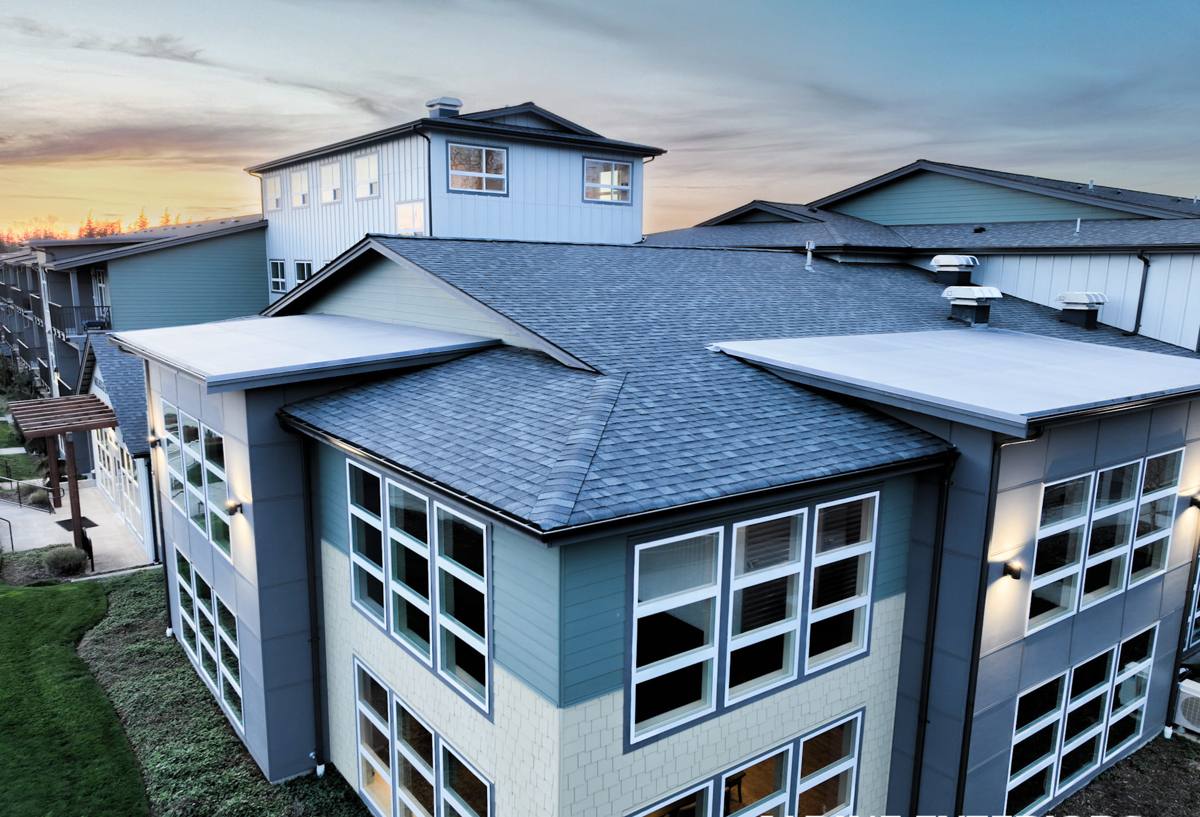
Recognizing Storm Damage Before It Becomes a Bigger Problem
Some storm damage is obvious — missing shingles, a tarp-worthy hole, a section of soffit torn loose. Most of it isn't. The damage that causes the most expensive problems down the road is usually the kind that's easy to miss from the ground.
Common Signs Worth a Closer Look
- Shingles that look intact but are lifted, creased, or have lost their seal along the tab edges
- Granule buildup in gutters or at downspout outlets after a storm
- Cracked, slipped, or displaced tiles on tile roofs, even if nothing fell off
- Rusted or loosened flashing around chimneys, vents, skylights, and roof-to-wall transitions
- Water stains on interior ceilings or in the attic that show up days after a storm, not during it
- Soft or spongy spots on walkable roof areas, which point to saturated decking underneath
If a roof took a direct hit — a fallen limb, flying debris, or sustained straight-line winds — it's worth having someone look at it even if nothing looks wrong from the driveway. A lot of storm damage in this area starts as a small compromised seal and turns into a rot or leak problem weeks or months later, once wind-driven rain has had repeated chances to work its way in.
Repair or Replace? How We Make That Call
Not every storm-damaged roof needs to come off. The honest answer depends on three things: how much of the roof is affected, how old the roofing system already was before the storm, and what condition the decking and underlayment are in once we get a look underneath the surface layer.
A roof that's five years old with a handful of lifted shingles and one damaged flashing point is almost always a straightforward repair. A roof that was already near the end of its service life, or one where storm damage has exposed multiple areas of wet or deteriorated decking, is a different conversation — patching it would just mean paying for the same repair again in a year or two. We'll always tell you which category your roof falls into and why, in plain terms, before we recommend a direction.
What a Correct Storm Repair Actually Involves
A storm repair done right isn't just replacing what's visibly missing. It means matching the repair to how water actually moves across a roof in wind-driven rain, which is sideways and uphill as often as it is straight down.
What We Check and Address
- Decking condition — any plywood or OSB that's absorbed water gets replaced, not just covered over
- Underlayment — torn or compromised underlayment is a bigger long-term risk than missing shingles, since it's the roof's real waterproofing layer
- Flashing — chimneys, skylights, vent boots, and wall transitions are common failure points that get missed in a quick patch job
- Fastener pattern — replacement shingles or tiles get fastened to current wind-resistance standards, not just tacked back down
- Matching materials — color and profile matched as closely as possible so the repair doesn't stand out or create a mismatched wear pattern later
Skipping any of these to save time is exactly how a "repaired" roof ends up leaking again in the next storm season.
Florida Building Code and Insurance: What Longboat Key Homeowners Should Know
Florida's building code has gotten stricter on roofing since the major hurricanes of the past two decades, and that affects repairs, not just new construction. Materials, fastening methods, and in some cases underlayment requirements have to meet current code even on a partial repair, depending on the scope of work and local permitting rules. As an incorporated town, Longboat Key handles its own building permits and inspections separately from unincorporated Sarasota County, so knowing which permitting process applies — and coordinating with an HOA or condo association where one exists — is part of doing the job correctly, not an afterthought.
On the insurance side, documentation is everything. Adjusters need clear, dated evidence of the damage and its likely cause, and a repair estimate that separates storm-related damage from pre-existing wear. We document damage thoroughly before any repair work starts specifically because that record is what supports your claim — and we're straightforward about what a storm caused versus what was already there, because that honesty is what holds up if a claim gets questioned.
Our Process, From First Call to Finished Roof
- Inspection — a full assessment of the roof, not just the obviously damaged section, including a look at flashing, decking access points, and attic ventilation where visible
- Emergency dry-in — if the roof is actively leaking or has an open hole, we get it tarped and watertight first, before anything else
- Documentation — photos and written notes of the damage, useful whether or not you end up filing an insurance claim
- Scope and estimate — a clear breakdown of what needs repair versus what's optional, with a straight answer on repair-versus-replace
- Repair work — decking, underlayment, flashing, and roofing material addressed as a system, not a patch over the surface
- Final walkthrough — we go over what was done and what to keep an eye on going forward
What Affects the Cost of a Storm Repair
Every roof and every storm event is different, so we won't quote a number without seeing the roof. But these are the factors that consistently move the price up or down:
| Factor | Why It Matters |
|---|---|
| Roofing material (shingle, tile, metal) | Tile and metal repairs generally cost more per square than asphalt shingle due to material and labor complexity |
| Extent of hidden damage | Wet or rotted decking found under the surface adds material and labor beyond the visible repair |
| Roof access and pitch | Steeper roofs and homes with limited equipment access take longer and require more safety setup |
| Age and condition of the existing roof | Older roofing systems are harder to match and may reveal more issues once opened up |
| Permitting requirements | Scope of work that triggers a permit adds inspection time but ensures the repair is code-compliant |
| Insurance vs. out-of-pocket | Insurance-covered repairs require additional documentation and adjuster coordination that affects timeline |
What To Do Right After a Storm
The first 48 hours after a storm affect how well a roof repair — and any related insurance claim — goes. Here's the order that actually protects you:
- Stay off the roof and out of the attic until it's been checked by someone qualified — storm-damaged roofs can be unstable
- Photograph visible damage from the ground and any interior water intrusion before you clean up or move anything
- Get a tarp on any active leak or exposed area as soon as it's safe to do so, to limit further water damage
- Contact your insurance company to open a claim, and keep a record of who you spoke with and when
- Be cautious of door-to-door storm chasers offering same-day contracts — verify licensing and local presence before signing anything
- Get a written scope of damage and repair estimate before authorizing major work
Why a Crew That Already Works Longboat Key Matters
Barrier island jobs come with logistics that inland repairs don't. Equipment and material access can be more limited, permitting runs through the Town of Longboat Key rather than county offices, and a lot of homes are part of a condo association or HOA with its own approval process for exterior work. A crew that already works this stretch of coastline knows those steps going in, instead of learning them for the first time on your project.
There's also a practical seasonal reality: during active storm season, response time matters. A contractor who already has a working relationship with island logistics, local permitting offices, and material suppliers can move faster when a roof needs to be dried in before the next system comes through. That local familiarity isn't a marketing point — it's the difference between a repair that goes smoothly and one that gets stuck in avoidable delays.
If your Longboat Key roof has storm damage — visible or suspected — we're happy to take a look and give you a straight assessment. The estimate is free, there's no pressure to commit to anything on the spot, and you'll get a clear answer on what your roof actually needs.