 Sarasota Siding
 Roof Repair Built for Palmer Ranch's Climate, Not Just Any Roof
Palmer Ranch sits in one of the more demanding stretches of Sarasota County for a roof to survive. Between the intense subtropical sun, the wind-driven rain that comes off the Gulf, the salt air drifting in from nearby Siesta Key and the Intracoastal, and the real risk of hurricane-force winds each season, a roof here takes on more punishment than one a few hundred miles inland. A roof repair in this area isn't just patching a leak — it's restoring a system that has to keep doing its job through the next storm, the next heat wave, and the next few years of UV exposure before it needs attention again.
Whether you're in a gated community with an HOA-mandated look, a townhome cluster, or a standalone single-family home in Palmer Ranch, the roof over your head has the same basic job: keep water out and stay attached in high wind. When it starts failing at either of those, a targeted, correctly executed repair is almost always the right first move — not an automatic full replacement.
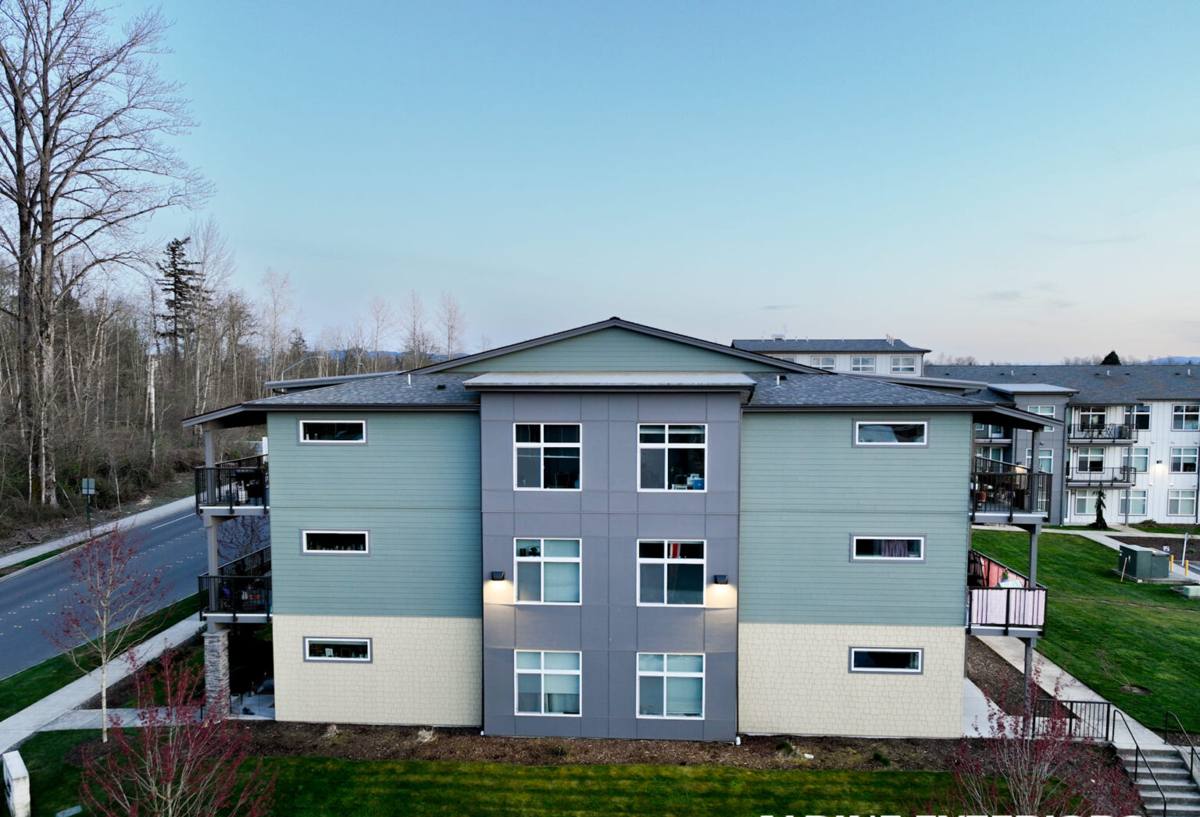
What Sarasota Weather Does to a Roof Over Time
Intense, Year-Round UV
Sarasota gets strong, direct sun essentially every month of the year. Asphalt shingle granules erode faster here than in cooler climates, and the asphalt itself dries out and becomes brittle sooner. Tile roofing holds up better against UV directly, but the underlayment beneath the tile — the actual waterproofing layer — still degrades from heat cycling, and that's usually where a "tile roof leak" actually starts.
Wind-Driven Rain
Florida rain rarely falls straight down. During summer storms and tropical systems, rain gets driven sideways under wind pressure, which means it can work its way under shingles, tile, and flashing that would keep out a normal vertical rainfall. Flashing around chimneys, skylights, vent pipes, and roof-to-wall transitions is where wind-driven rain most often finds a way in.
Salt Air and Corrosion
Being close to the coast means airborne salt settles on roofing metal — flashing, fasteners, drip edge, vent boots — and accelerates corrosion. A fastener or flashing piece that would last decades in a dry inland climate can start rusting and losing its seal years earlier near Sarasota's coastline.
Hurricane-Force Wind Events
Sarasota County sits in a high-wind zone, and every roof here is built and repaired to that reality. Wind uplift is what tears shingles off, cracks or displaces tile, and peels back flashing at roof edges and ridges. Even a roof that isn't hurricane-damaged outright can end the season with loosened tile, lifted shingle tabs, or compromised seals that turn into leaks during the next heavy rain.
Signs a Palmer Ranch Roof Needs Repair
Most roof problems show themselves in small ways long before there's a leak dripping into a ceiling. Here's what we watch for on inspections in this area:
- Water stains or discoloration on interior ceilings or upper walls, especially after a heavy rain
- Missing, cracked, curled, or lifted shingles
- Cracked, slipped, or displaced roof tiles, or tiles that sound hollow or move underfoot
- Rusted, lifted, or separated flashing around chimneys, skylights, vent pipes, or roof-wall joints
- Granules collecting in gutters or at downspout outlets (a sign of accelerating shingle wear)
- Soft or spongy spots on a flat or low-slope section of roof
- Visible daylight through the attic decking or soffit/fascia that's staining, sagging, or pulling away
- A sudden spike in attic temperature or humidity, which often points to a ventilation or moisture intrusion issue
Any one of these on its own doesn't necessarily mean a full replacement. It usually means it's time for someone to get on the roof and look before a small problem becomes a bigger one.
Common Roof Repair Jobs We Handle in This Area
| Repair Type | What Usually Causes It | Typical Scope |
|---|---|---|
| Shingle repair / replacement | Wind uplift, UV embrittlement, storm impact | Small area, section, or field patch matched to existing shingle |
| Tile repair / replacement | Wind displacement, foot traffic damage, cracked tile from impact | Individual tile swap or small-area tile and underlayment repair |
| Flashing repair | Salt-air corrosion, sealant failure, wind-driven rain intrusion | Chimney, skylight, vent, or roof-to-wall flashing rework |
| Underlayment / leak repair | Aged or torn underlayment beneath intact surface material | Localized tear-off, underlayment replacement, surface reset |
| Soffit / fascia repair | Moisture intrusion, wood rot, pest entry at roofline | Board replacement, ventilation correction, trim repair |
| Flat / low-slope roof repair | Ponding water, membrane seam failure, UV breakdown | Membrane patch, seam reseal, or section replacement |
Costs vary a lot depending on roof access, material match, and how much of the underlying deck or underlayment is affected — a straightforward flashing reseal is a very different job from a section of roof that needs decking replaced after a hidden leak. We give you the real number after we've actually looked at it, not a phone-quote guess.
How We Approach a Repair Call in Palmer Ranch
- Inspection first. We get on the roof (weather permitting) and in the attic, not just a ground-level look, to find where water is actually getting in — which is often not directly above where the stain shows up inside.
- Explain what we find, in plain terms. You get a straight answer on what's failing, why, and what it takes to fix it correctly — including whether the fix is a repair or whether the damage has crossed into replacement territory.
- Match materials correctly. Shingle color and profile, tile style and profile, flashing metal — mismatched repairs stand out and can create new water paths if not tied in correctly.
- Repair the actual cause, not just the symptom. A leak stain almost always has an upstream cause — failed flashing, a cracked tile several courses up, a torn underlayment seam. We trace it back before we close it up.
- Reseal and weatherproof to local wind and rain standards. Sealants, fasteners, and flashing details are chosen for Sarasota County's wind exposure and salt air, not generic minimums.
- Clean up and walk the site. Debris removed, gutters cleared of repair debris, and a final look together so you know exactly what was done.
Repair or Replace? How We Help You Decide
Not every damaged roof needs a full tear-off, and not every leak can be permanently solved with a patch. The honest answer depends on a handful of factors:
| Factor | Leans Toward Repair | Leans Toward Replacement |
|---|---|---|
| Roof age | Well within expected service life | At or past typical lifespan for the material |
| Extent of damage | Localized — one section, one leak point | Widespread across multiple slopes or systemic underlayment failure |
| Underlying deck condition | Deck is sound where exposed | Deck shows rot or repeated water damage in multiple areas |
| Material availability | Matching shingle/tile is available | Discontinued material with no reasonable match |
| Insurance situation | Isolated storm damage, targeted claim | Adjuster or engineer report calls for full replacement |
We'll always tell you honestly when a repair is the right call — and we'll tell you just as honestly when we think a repair would just be a temporary fix on a roof that needs to be replaced. That call should be based on what's actually happening to your roof, not on which answer is more profitable for us.
Materials and Methods We Use
Palmer Ranch has a mix of roofing types — architectural and three-tab asphalt shingle on many homes, concrete and clay tile on others, especially in some of the gated and HOA-governed communities where tile is part of the architectural standard. Our repair approach differs by material, but the underlying goal is the same: match what's there, and build the repair to handle this specific climate.
On shingle roofs, that means using shingles rated for Florida's high-wind zones, proper nailing patterns (not just cosmetic matching), and starter/ridge details that are actually sealed against wind uplift — not just laid down. On tile roofs, it means handling tile carefully to avoid cracking adjacent pieces, replacing the underlayment beneath the repair area rather than just resetting tile over failed underlayment, and using corrosion-resistant fasteners and flashing given how fast salt air chews through standard hardware here. On flat and low-slope sections, it means sealing seams and terminations correctly so ponding water and UV don't reopen the same failure point in a year.
We also pay attention to attic ventilation during repairs. A roof that's leaking is only half the problem — a roof that's baking an under-ventilated attic is accelerating wear on everything from shingles to the decking underneath, and it's worth flagging when we see it, even if it's outside the original repair scope.
Permits, Insurance, and Wind Mitigation in Sarasota County
Roof work in Sarasota County generally requires a permit, and the scope of that requirement depends on the size and nature of the repair — a small flashing reseal is handled differently than a section that involves deck or underlayment replacement. We handle the permitting process on jobs that require it, so you're not left figuring out county requirements on your own.
If your repair is storm-related, we can document the damage in a way that's useful for an insurance claim, and we're glad to work directly with your adjuster. And if your roof is in generally good condition, a proper repair can sometimes help maintain (or avoid losing) wind mitigation credits on your homeowners insurance — which is worth mentioning to your agent once the work is done, since those credits can meaningfully affect your premium in a high-wind county like Sarasota.
Why Hire a Crew That Already Works Palmer Ranch
A roof repair in this area isn't a generic task — it's a repair that has to hold up against Gulf Coast humidity, salt air, intense UV, and the real possibility of a named storm within a season or two. A crew that already works in Palmer Ranch and the surrounding parts of Sarasota County knows what actually fails here first, what HOA architectural standards typically expect for visible roof repairs, and how to build a repair that's still doing its job three summers and two hurricane seasons from now — not just one that looks fine the day it's finished.
Local experience also means fewer surprises: knowing which materials hold up under this specific combination of heat, salt, and wind, understanding realistic timelines around Sarasota's rainy season, and being straightforward about what a repair can and can't fix.
If you're dealing with a leak, storm damage, or a roof that just needs an honest second opinion, we're happy to take a look. Request a free, no-pressure estimate using the form below, and we'll walk you through exactly what we find and what it would take to fix it right.