 Sarasota Siding
 Downtown Sarasota's Siding Has a Harder Job Than Most
Homes in and around Downtown Sarasota sit close enough to the water, and squarely enough in a hurricane-exposed part of Florida, that their exterior siding is doing real structural and protective work every day, not just holding a color. Between the older bungalow-style and mid-century homes mixed with newer infill construction near the urban core, the siding stock here varies a lot in age and condition, but the climate stress on all of it is the same: hurricane-force wind events, intense year-round UV exposure, wind-driven rain that gets pushed sideways into wall assemblies, and a steady dose of salt air drifting in off Sarasota Bay and the Gulf. Sarasota County sits in one of the more demanding wind zones in Florida's building code, which is a big part of why siding choice and installation quality matter more here than in a lot of the country.
This page is specifically about fiber cement siding on Downtown Sarasota homes — what the product needs to do here, what a correct installation looks like, and why a crew that already works this area day in and day out gets better, more durable results than a one-size-fits-all approach.
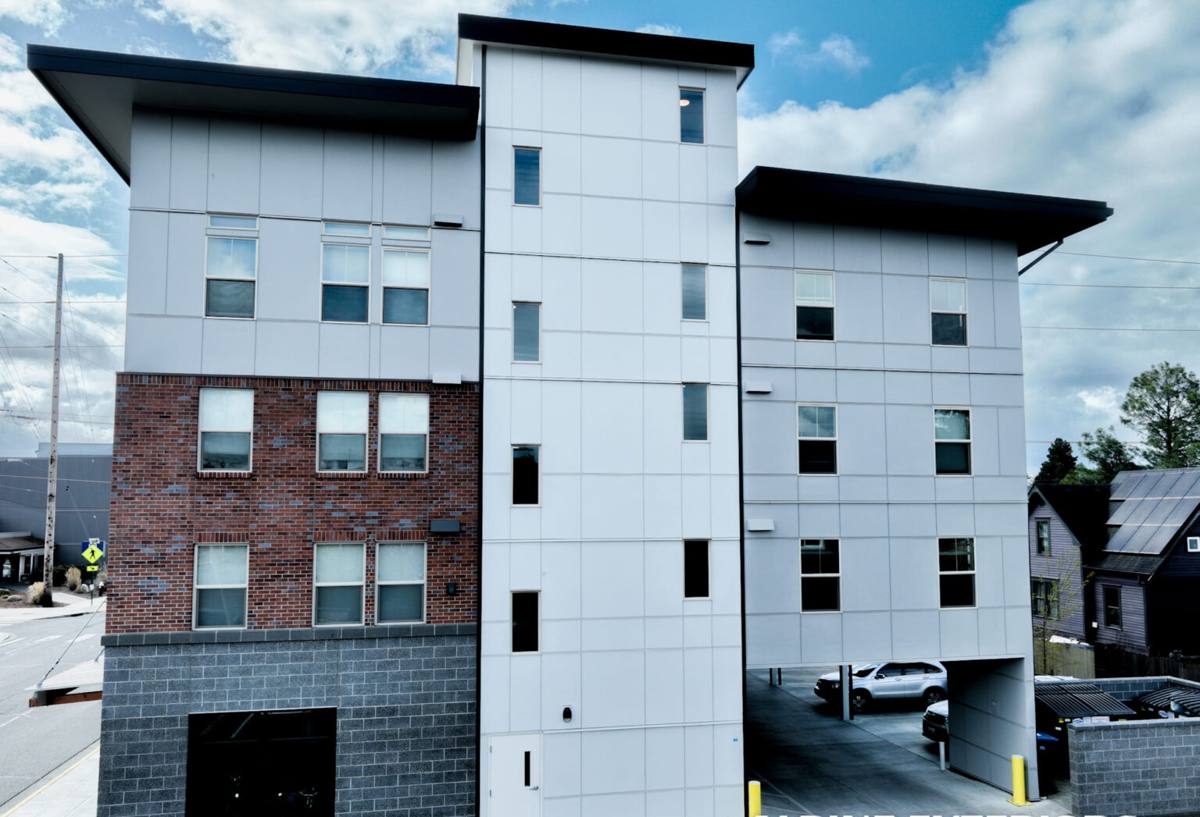
What Downtown Sarasota's Climate Actually Demands From Siding
Wind
Sarasota's building code requires siding assemblies to hold up to significant sustained wind loads, and that rating means nothing if the fastening pattern underneath doesn't match it. Wind doesn't just push on siding — it creates negative pressure that pulls panels outward, which is where poorly fastened or improperly lapped siding fails first, usually starting at corners and edges.
UV
Florida sun is intense and constant, twelve months a year. Siding finishes that aren't engineered for UV stability chalk, fade, and become brittle well before their expected lifespan, which is one of the most common complaints homeowners have about older or lower-grade siding products in this market.
Wind-driven rain
Sideways rain during storms doesn't just hit the siding face — it gets forced into laps, seams, and penetrations if those details weren't built correctly. Sarasota gets its share of these events, and the water management behind the siding (house wrap, flashing, drainage plane) matters as much as the siding material itself.
Salt air
Even a few miles inland from the bay, airborne salt accelerates corrosion on fasteners, trim, and any exposed metal components, and it degrades finishes that aren't formulated to resist it. This is a slower, quieter form of wear than a storm, but over years it's just as damaging.
Why We Only Install James Hardie in This Market
We install James Hardie fiber cement siding exclusively — we don't install vinyl, LP SmartSide, Cemplank, Allura, or unfinished wood siding like primed spruce or cedar. That's not a marketing position, it's a standard we hold because of what this climate does to siding over time. Fiber cement is non-combustible, dimensionally stable in heat and humidity swings, and doesn't rot the way wood-based products can when moisture gets behind them. Hardie specifically engineers its HZ5 product line for Florida's hot, humid, high-UV, hurricane-exposed conditions, which is the zone Sarasota falls into.
ColorPlus factory finish
Hardie's ColorPlus finish is baked on in a controlled factory process rather than applied on-site, which gives it more consistent UV resistance and color retention than field-painted siding, and it comes with its own finish warranty. For a Downtown Sarasota home taking direct sun most of the day, that difference shows up years sooner than most homeowners expect — field-painted siding typically needs repainting well before a ColorPlus finish needs attention.
Where wood and vinyl fall short here
Wood siding — even primed cedar or spruce — needs consistent maintenance to keep moisture out, and in a climate with this much humidity and wind-driven rain, that maintenance window shrinks fast. Vinyl siding is lightweight and can deform or crack under long-term UV exposure and high heat, and its fastening system isn't built to the same wind-load standard as fiber cement. Neither is a product we're willing to put our name behind on a home in this wind zone.
| Factor | James Hardie Fiber Cement | Vinyl / Untreated Wood |
|---|---|---|
| Wind zone rating | Engineered for high-wind zones with tested fastening schedules | Lower wind ratings; wood depends entirely on installation quality |
| Combustibility | Non-combustible | Vinyl and wood are combustible |
| UV/finish stability | Factory-baked ColorPlus finish resists fading and chalking | Vinyl can fade and warp; wood paint fails faster in direct sun |
| Moisture behavior | Stable, doesn't rot; needs correct water management details | Wood absorbs and rots without diligent upkeep |
| Salt air resistance | Formulated for coastal exposure in HZ5 products | Fasteners and finishes degrade faster near salt air |
What Correct Installation Actually Involves
Fiber cement siding performs the way it's rated to perform only when it's installed to spec. In a wind and moisture environment like Sarasota's, the installation details matter as much as the product choice.
Water management first
Before a single piece of siding goes up, the house needs a properly lapped weather-resistant barrier, correctly flashed windows and doors, and a drainage plane that lets any incidental moisture escape rather than pool behind the siding. This is the layer most homeowners never see and most corner-cutting installers skip or rush.
Fastening and clearances
Hardie specifies fastener type, spacing, and embedment depth for a reason — under-driven or over-driven nails, wrong fastener spacing, or the wrong fastener material near salt air all shorten the life of the installation. Siding also needs proper clearance from grade, roof lines, and decks so it isn't sitting in standing water or trapped moisture.
Joints, caulking, and trim
Butt joints, corners, and penetrations (hose bibs, light fixtures, vents) are where water intrusion starts if they're not treated correctly. Correct caulking and trim work at these points is what keeps wind-driven rain from finding a way behind the siding during a storm.
Our Process on a Downtown Sarasota Project
| Step | What Happens |
|---|---|
| On-site assessment | We inspect existing siding, sheathing, and moisture damage, and check the home's exposure to wind and sun |
| Product and line selection | We recommend the Hardie product line, plank profile, and ColorPlus color suited to the home and any HOA or neighborhood guidelines |
| Permitting | We pull the required Sarasota County or City of Sarasota permits and build to the current wind-load code for the property |
| Tear-off and prep | Old siding is removed, sheathing is inspected and repaired as needed, and a new weather-resistant barrier is installed |
| Installation | Siding is installed to Hardie's fastening and clearance specifications, with flashing and caulking detailed at every penetration |
| Final walkthrough | We review the completed work with the homeowner and confirm trim, caulking, and paint lines meet spec |
Cost Factors for Downtown Sarasota Homes
Every home is different, so we don't quote sight-unseen, but the factors that move the price on a fiber cement job here are fairly consistent:
| Factor | Why It Affects Cost |
|---|---|
| Existing wall condition | Rotted or damaged sheathing found during tear-off needs repair before new siding goes on |
| Home size and complexity | More corners, gables, and trim detail mean more labor and material cuts |
| Product line and profile | Plank width, texture, and ColorPlus color selection affect material cost |
| Access and site conditions | Tight lots, mature landscaping, or multi-story sections affect labor time |
| Full re-siding vs. repair | Whole-home replacement pricing differs from targeted repair or partial re-siding |
Why Local Experience Matters for This Job
A crew that already works Downtown Sarasota regularly knows the practical realities that don't show up on a spec sheet: how the current wind-load code applies to a given lot and structure, what Sarasota County and City of Sarasota permitting and inspection processes actually require, and how to work around the tighter lots, mature trees, and older infrastructure common in the older parts of the city. That familiarity shows up in fewer surprises during tear-off, fewer permitting delays, and a finished job that's built to the code this specific area is held to — not a generic national standard.
It also means we've seen how different Hardie lines and colors actually hold up on homes exposed to this specific mix of sun, salt, and storms, rather than working from a manufacturer's marketing sheet alone.
Maintaining Fiber Cement Siding in This Climate
Fiber cement is low-maintenance compared to wood, but "low-maintenance" isn't "no-maintenance" in a climate this demanding. A simple annual routine keeps it performing the way it was installed to:
- Rinse the siding down once or twice a year to clear salt residue and grime, especially on sides facing the water
- Walk the exterior after major storms and check caulking at joints, trim, and penetrations for cracking or separation
- Look for any signs of moisture staining near the base of the siding or around windows and doors
- Keep sprinklers and irrigation from spraying directly on the siding long-term
- Trim back landscaping that's holding moisture against the siding or blocking airflow
- Have any impact damage from storm debris inspected and repaired promptly rather than left open to moisture
None of this requires a professional visit every year, but a quick homeowner walkaround after big storms catches small issues before they become bigger repairs.
Get a Straight Answer for Your Home
If you're weighing a full re-siding project or dealing with aging, storm-worn, or failing siding on a Downtown Sarasota home, we're glad to take a look and give you an honest read on condition, options, and what correct work would involve — no pressure, no upsell. Use the form below to request a free estimate.