 Sarasota Siding
 Decking Built for What Bee Ridge Actually Gets Thrown At
Bee Ridge sits inland enough from the beaches to feel like it's sheltered, but the climate that governs every outdoor structure in Sarasota County still applies here in full. Long stretches of intense UV exposure, sudden wind-driven downpours, high humidity that never really lets up, and the periodic threat of hurricane-force wind all act on a deck the same way they act on a roof or a wall — slowly, and then all at once during a bad storm season. A deck that isn't specified and installed with that reality in mind will show it early: fading, warping, fastener failure, or soft spots where moisture has been getting in longer than anyone noticed.
Composite decking exists specifically to resist that combination of stressors better than traditional lumber. But "composite" isn't one product — it's a category with real differences in how boards are made, how they handle heat and moisture, and how forgiving they are of a mediocre installation. This page is about what a correct composite decking job looks like for a Bee Ridge home, not a generic rundown of composite decking in general.
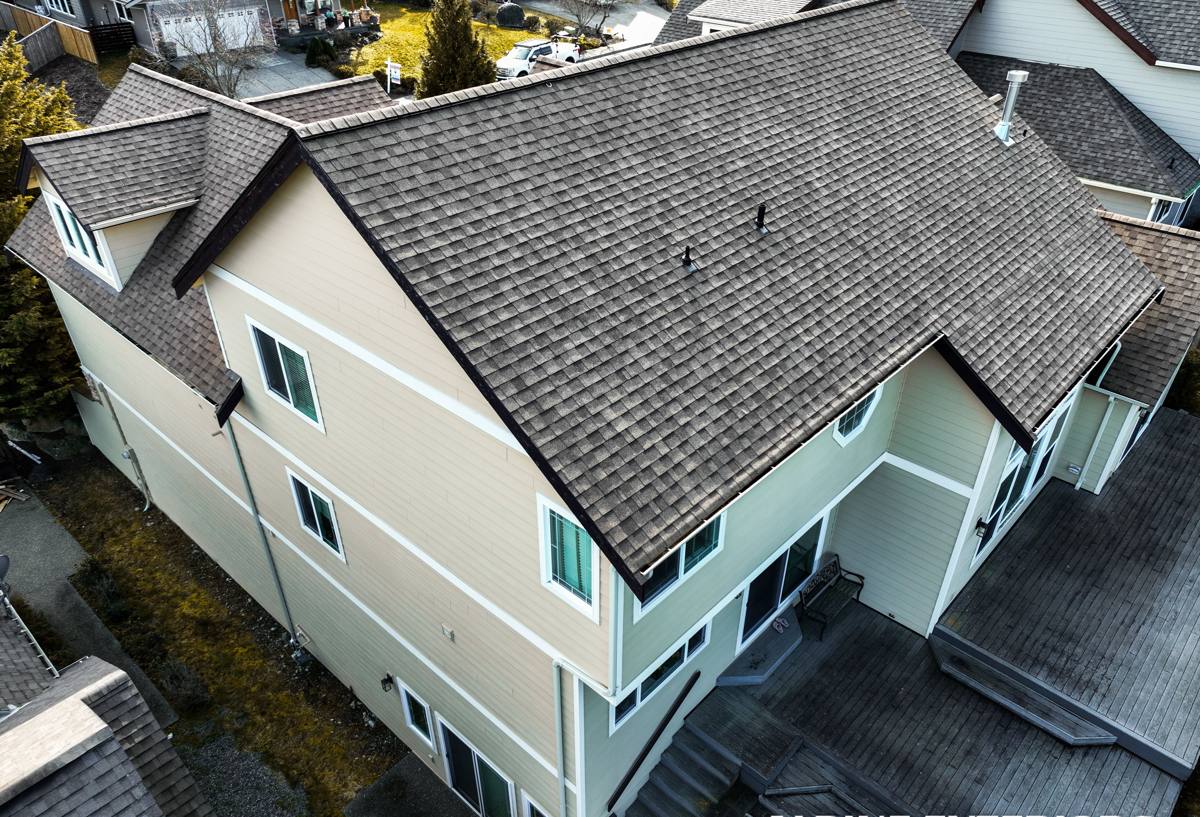
Why Composite Makes Sense for This Area
Pressure-treated wood decking is still common in Sarasota County because it's cheaper upfront, but the maintenance burden in this climate is real: annual sealing, sanding down splinters and cupped boards, and watching for rot at fastener points and where the deck meets the house. Humidity this consistent doesn't give wood much of a chance to fully dry out between rain events, which is exactly the condition that accelerates decay and mildew staining.
Composite boards — a blend of wood fiber and plastic, either capped or uncapped — don't rot, don't splinter, and don't need annual sealing. That doesn't mean they're maintenance-free or immune to the sun; it means the maintenance shifts from "structural upkeep" to "surface care," which is a better trade for most homeowners in a climate this demanding.
Where Composite Still Has to Be Respected
Composite boards expand and contract with heat more than people expect, and Sarasota decks sit in direct summer sun for most of the day. Gapping, fastening, and picture-framing details all have to account for that movement or you end up with buckled boards or popped fasteners within a couple of summers. This is an installation issue more than a product issue, and it's where a lot of decking problems in this area actually originate.
What Goes Wrong With Decks in This Climate — And Why
Most deck failures we get called out to inspect in the Sarasota area aren't failures of the decking material itself. They're failures of the parts underneath it, or of details that got rushed:
- Ledger boards attached to the house without proper flashing, letting wind-driven rain track behind the deck and into the framing or siding
- Joists and support posts using fasteners that weren't rated for treated lumber's chemical makeup, leading to corrosion
- Insufficient gapping between composite boards, causing buckling once summer heat sets in
- Ground-level or low-clearance framing that traps humidity underneath the deck with no airflow
- Post footings that weren't set deep or wide enough for local soil and wind-load conditions
Every one of these is preventable with correct materials and sequencing. None of them are something you can fix later without tearing into the deck. That's why we spend more time on the substructure than on the decking itself when we walk a Bee Ridge property.
Our Process for a Bee Ridge Composite Deck
1. On-Site Assessment
We look at grade and drainage around the proposed deck footprint, sun exposure across the day, how the deck will tie into the house, and whether an existing structure is being replaced or this is new construction. In Sarasota County, permitting and wind-load requirements factor into footing size, post spacing, and railing specs, so this step also sets the engineering baseline.
2. Substructure First
Framing lumber, fasteners, and footings get specified for humidity and wind exposure, not just for supporting the decking's weight. Ledger flashing and proper standoff from the house are non-negotiable — this is the single most common source of hidden water damage on decks we've inspected.
3. Board Layout and Fastening
Gapping is calculated for the board type and expected heat exposure, not just eyeballed. Hidden fastener systems get used where the board manufacturer specifies them, and any picture-framing or border detail is planned to allow for movement rather than fight it.
4. Railing, Stairs, and Finish Details
Railing systems and stair stringers get the same wind and corrosion consideration as the deck frame. This is also where we walk the homeowner through the specific care their chosen board color and finish will need.
5. Final Walkthrough
We go over gap tolerances, fastener locations, and a basic maintenance rundown before calling the job done — not just a handshake and an invoice.
Comparing Decking Materials for a Sarasota County Deck
| Material | Upfront Cost | Maintenance | Heat/UV Performance | Moisture Resistance | Typical Lifespan |
|---|---|---|---|---|---|
| Pressure-Treated Wood | Lowest | Annual sealing/staining, regular inspection | Fades, cups, and splinters with sun exposure | Prone to rot without upkeep | 10–15 years with diligent care |
| Uncapped Composite | Mid-range | Periodic cleaning; some fading over time | Better than wood, but surface can fade and stain | Won't rot; can absorb some moisture at cut ends | 20–25 years |
| Capped Composite | Higher | Occasional washing | Best fade and stain resistance of the composites | Fully sealed surface resists moisture intrusion | 25–30+ years, often with longer warranties |
For most Bee Ridge homeowners, capped composite is the more sensible long-term choice given how much direct sun and humidity the deck will absorb over its life. Uncapped composite is a reasonable middle ground on budget. We'll walk you through actual product lines and warranty terms once we know your layout and budget — this table is about the categories, not a specific brand recommendation.
Choosing Board Color and Finish for Florida Sun
Darker composite boards look sharp in photos but run noticeably hotter underfoot in direct Sarasota sun, which matters if the deck gets afternoon exposure. Lighter and mid-tone colors stay more comfortable to walk on barefoot and tend to show less surface fading over the years, since darker pigments fade faster under sustained UV. It's a genuine trade-off between appearance and comfort/longevity, and it's worth deciding on purpose rather than by accident.
Streaked or wood-grain finishes also tend to hide the light surface scuffing and pollen film that accumulate between cleanings better than a flat, solid color does — a small detail, but a relevant one in a climate with this much pollen and organic debris in the air.
Keeping a Composite Deck Sound Year After Year
Composite decking cuts down on maintenance dramatically compared to wood, but "low maintenance" isn't "no maintenance," especially with the humidity and organic growth this area sees. A simple seasonal routine keeps a Bee Ridge deck performing the way it's supposed to:
- Rinse and sweep the deck surface regularly to keep pollen, leaf debris, and dirt from building up in the board grooves
- Wash with a mild soap and soft-bristle brush a couple of times a year to prevent mildew film, especially in shaded areas
- Check underneath the deck periodically for standing water, blocked drainage, or debris buildup against framing
- Inspect railing posts and stair connections annually for looseness, especially after a significant storm
- Avoid pressure washing at close range or high PSI, which can damage the board surface over time
- Keep planters, grills, and furniture feet from trapping moisture against the board surface for extended periods
None of this takes much time, but skipping it is how a well-built deck starts looking neglected years before it structurally needs to.
Why Local Installation Experience Matters Here
A composite deck built to a generic national spec sheet doesn't automatically hold up to Sarasota County's wind-load requirements, permitting expectations, or the specific way humidity and sun interact with a given board product. Crews that work Bee Ridge and the surrounding Sarasota area regularly know which framing and fastening details actually hold up here, what inspectors are looking for locally, and how different board lines have performed on real roofs and decks through actual Florida summers and storm seasons — not just on a manufacturer's spec sheet written for a different climate.
That experience shows up in the parts of the job you don't see once it's finished: the flashing behind the ledger board, the fastener spec, the footing depth, the gap tolerance. Those are the details that determine whether a deck is still solid in ten years or needs early repairs.
Get a Straightforward Estimate
If you're weighing composite decking for a Bee Ridge property, we're happy to walk the site, talk through material options honestly — including the trade-offs, not just the upsides — and give you a clear estimate with no pressure to sign anything on the spot. Use the form below to get started.