 Sarasota Siding
 Why Palmer Ranch Roofs Wear Differently Than Roofs Inland
Palmer Ranch sits close enough to the Gulf that homes here take a different kind of beating than roofs 40 or 50 miles inland. It's not one thing — it's the combination. Intense, near-constant UV breaks down shingle asphalt and granule adhesion faster than in milder climates. Wind-driven rain during summer storms and tropical systems finds every weak seam, nail pattern, and flashing detail a roof has. Salt-laden air corrodes exposed metal — nails, flashing, vents, drip edge — years before it would in a landlocked market. And hurricane-force wind events test the one thing that matters most: whether the roof system was actually fastened, sealed, and sheathed the way the manufacturer and building code require, or just the way it looks from the ground.
A new roof installed for Palmer Ranch has to be built for that whole list at once, not just one part of it. That's the standard we hold every install to.
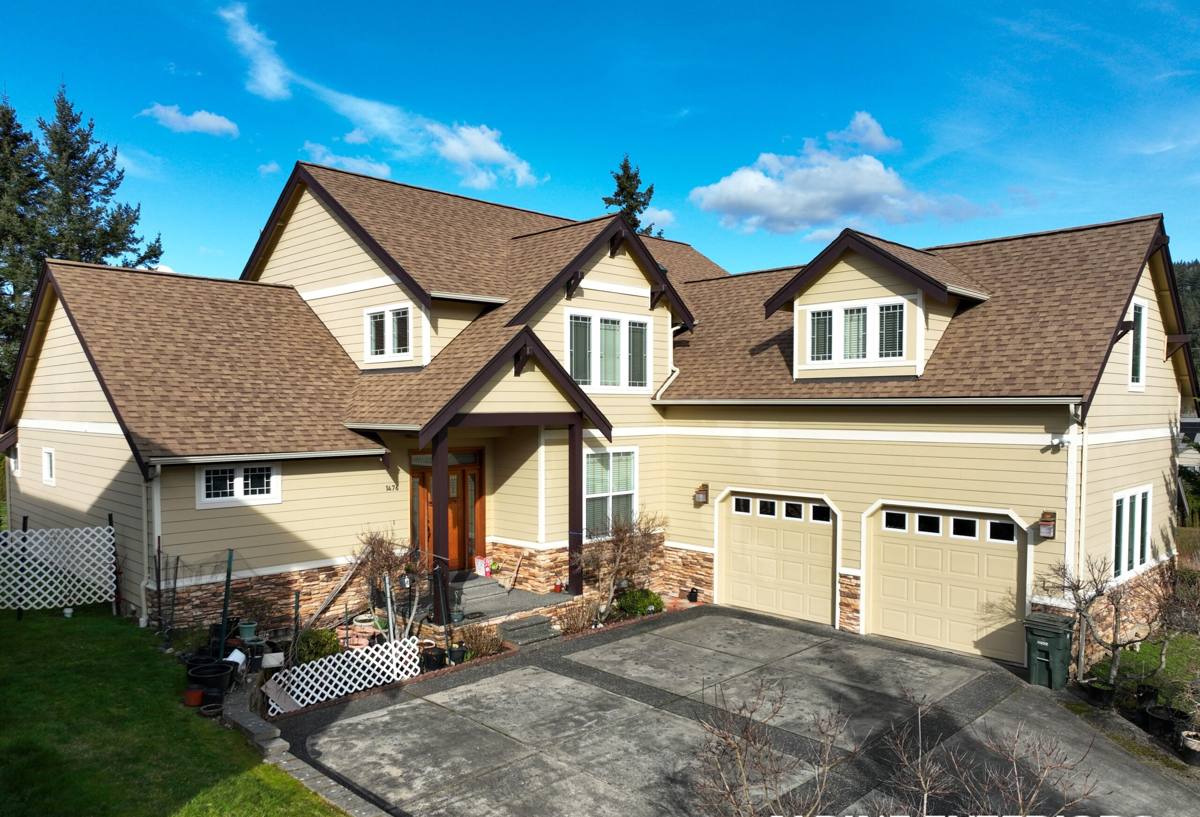
Signs a Palmer Ranch Home Needs Replacement, Not Another Repair
Not every roof problem means a full replacement. But there's a point where patching stops being the honest recommendation. Common signs we look for on Palmer Ranch homes:
- Shingles that are cupping, curling, or have lost enough granules to show bare asphalt in multiple areas
- Repeated leaks in different spots after the last few storm seasons, rather than one isolated failure
- Soft or spongy decking felt underfoot in the attic or during a repair visit
- A roof nearing or past the age where the underlayment and fasteners can no longer be trusted, even if shingles still look okay from the street
- Visible sagging along the roofline, which usually points to a structural or decking issue, not a surface one
- An insurance company flagging the roof's age or condition during a policy renewal or wind mitigation review
If a home only needs flashing resealed or a section of shingles replaced after storm damage, we'll say so. A full tear-off is a bigger job and a bigger cost, and we don't recommend it unless the roof's condition actually calls for it.
Roofing Materials: What Actually Performs on the Gulf Coast
Material choice matters more here than in a lot of the country, because the roof has to handle heat, UV, and wind load at the same time. Here's how the main options compare for a Palmer Ranch home:
| Material | Wind Performance | UV / Heat Behavior | Maintenance | Typical Lifespan |
|---|---|---|---|---|
| Architectural asphalt shingle | Strong when rated and installed to spec, with high-wind nailing patterns | Good; reflective granule options help with heat | Low; periodic inspection | 20–30 years |
| Concrete or clay tile | Very strong when properly fastened and battened | Excellent; naturally heat- and UV-resistant | Occasional underlayment attention; tiles themselves are durable | 40–50+ years (underlayment often needs replacement sooner) |
| Standing seam metal | Excellent; among the highest wind ratings available | Excellent; reflects heat well and doesn't degrade from UV like asphalt | Very low | 40–60 years |
Each of these can be the right call depending on the home's style, the HOA's requirements, and the budget. We'll walk through the honest trade-offs — install sensitivity, upfront cost, and long-term maintenance — rather than push whatever's easiest for us to sell.
A Note on Lower-Cost Shingle Options
We generally steer homeowners away from the thinnest, lowest-tier three-tab shingles for this area. They carry lower wind ratings, show UV wear faster, and often come with a shorter, more limited manufacturer warranty. That's not a knock on any specific brand — it's simply that a Gulf Coast roof performs better long-term with a heavier architectural shingle or an alternative material, and we'd rather set that expectation up front than have a homeowner replace a roof again in half the time.
What a Correct New Roof Install Actually Involves
A roof that looks right from the street and a roof that's actually built right are two different things. The parts that matter most are the ones you can't see once we're done:
- Decking inspection and repair — any soft, rotted, or delaminated plywood gets replaced before anything goes back on, not covered up
- Fastening pattern — nail count and placement matched to the wind-speed requirements for our part of Sarasota County, not a generic pattern
- Underlayment — a synthetic or self-adhering underlayment suited to wind-driven rain, installed with proper laps and sealed penetrations
- Flashing — new flashing at every valley, wall intersection, chimney, and roof-to-wall transition; reused old flashing is one of the most common causes of early leaks
- Ventilation — intake and exhaust balanced so heat and moisture can actually move out of the attic instead of cooking the underside of the new roof
- Drip edge and starter course — installed to code, not skipped to save material
Every one of these steps is inspected before it's covered by the next layer. That's what separates a roof that's built to last through hurricane season after hurricane season from one that just looks finished.
Our Installation Process
- On-site inspection and estimate — we look at the existing roof, decking access points, ventilation, and any HOA or architectural requirements specific to the Palmer Ranch community
- Material selection — we walk through shingle, tile, or metal options with honest cost and performance trade-offs for the home
- Permitting — we pull the required Sarasota County roofing permit and schedule inspections; this isn't optional and it protects the homeowner if there's ever an insurance claim
- Tear-off and decking check — old roofing removed down to the deck, damaged sheathing replaced
- Underlayment, flashing, and fastening — installed to manufacturer spec and Florida Building Code wind requirements
- Final roof covering installed — shingles, tile, or metal panels set with the fastening and sealing details the wind-rated system requires
- Cleanup and magnetic nail sweep — yard and driveway cleared of debris and stray fasteners
- Final walkthrough and county inspection sign-off
Wind Mitigation and Insurance: Why the Details Matter
In Florida, a new roof isn't just about keeping water out — it can directly affect what a homeowner pays for insurance. A properly installed roof with documented hurricane straps, correct fastening, and a qualifying roof covering can improve a home's wind mitigation report, which insurers use to calculate premium discounts. We build every new roof to meet current code requirements and provide the documentation homeowners need to submit for that inspection. It won't guarantee a specific discount — that's between the homeowner and their insurer — but an underbuilt roof will never qualify for one.
Ventilation and Moisture: The Part Nobody Sees
Sarasota's humidity doesn't stop at the shingles. Without proper attic ventilation, heat and moisture build up under the roof deck year-round, which can shorten the life of the underlayment and decking from the inside out — long before the shingles themselves show wear. Part of every new roof install includes evaluating whether the existing intake and exhaust ventilation is adequate, and correcting it if it isn't. It's a detail that's easy to skip during a fast reroof and expensive to fix later.
Why Hiring a Crew That Already Works Palmer Ranch Matters
Palmer Ranch isn't a blank lot — many of its communities have HOA architectural review requirements that cover roof color, material type, and sometimes tile profile before work can start. A crew that's already navigated that process here knows what documentation to bring and what typically gets flagged, which keeps a project from stalling mid-permit. Local experience also means familiarity with Sarasota County's permitting and inspection process, and a realistic sense of how the area's storm exposure should shape material and fastening choices — not generic advice pulled from a different climate.
Questions Worth Asking Before You Hire Anyone
- Are you licensed to perform roofing work in Sarasota County, and can you provide proof of insurance?
- Will you pull the permit yourself, or is that left to me?
- What underlayment and fastening pattern will you use, and is it rated for our local wind requirements?
- What's actually covered under the manufacturer's warranty versus your workmanship warranty?
- Will decking replacement, if needed, be itemized separately or hidden in a flat quote?
- Can you provide documentation for a wind mitigation inspection after the job is done?
A straight answer to every one of these is a reasonable bar to set, and it's the bar we hold ourselves to on every Palmer Ranch project.
Get a Free, No-Pressure Estimate
If your roof is showing its age, took storm damage, or you're just planning ahead before the next hurricane season, we're happy to take a look and give you a straight assessment — repair, replace, or hold off. Fill out the form below for a free estimate on new roof installation for your Palmer Ranch home.