 Sarasota Siding
 Siding Built for What Fruitville Actually Deals With
Fruitville sits inland enough from the bay to feel like it should be sheltered, but it still takes the same beating every other Sarasota County neighborhood does: long stretches of intense UV that never really let up, wind-driven rain that finds every gap in a wall system, tropical humidity that keeps moisture pressed against a house for months at a time, and hurricane-force wind events that test every fastener and joint in the siding. Add in the salt air that drifts inland off the Gulf on a sea breeze, and you've got a climate that's genuinely hard on exterior materials — harder than most manufacturers' marketing photos let on.
We install fiber cement siding in Fruitville because it's the one product category that holds up to all of that at once without turning into a maintenance chore. But "fiber cement" isn't a single thing — how it's engineered, primed, and installed determines whether it lasts twenty-plus years or starts showing problems in five. That's what this page is actually about: what a correct fiber cement job looks like on a Sarasota home, and why we only install James Hardie product to get there.
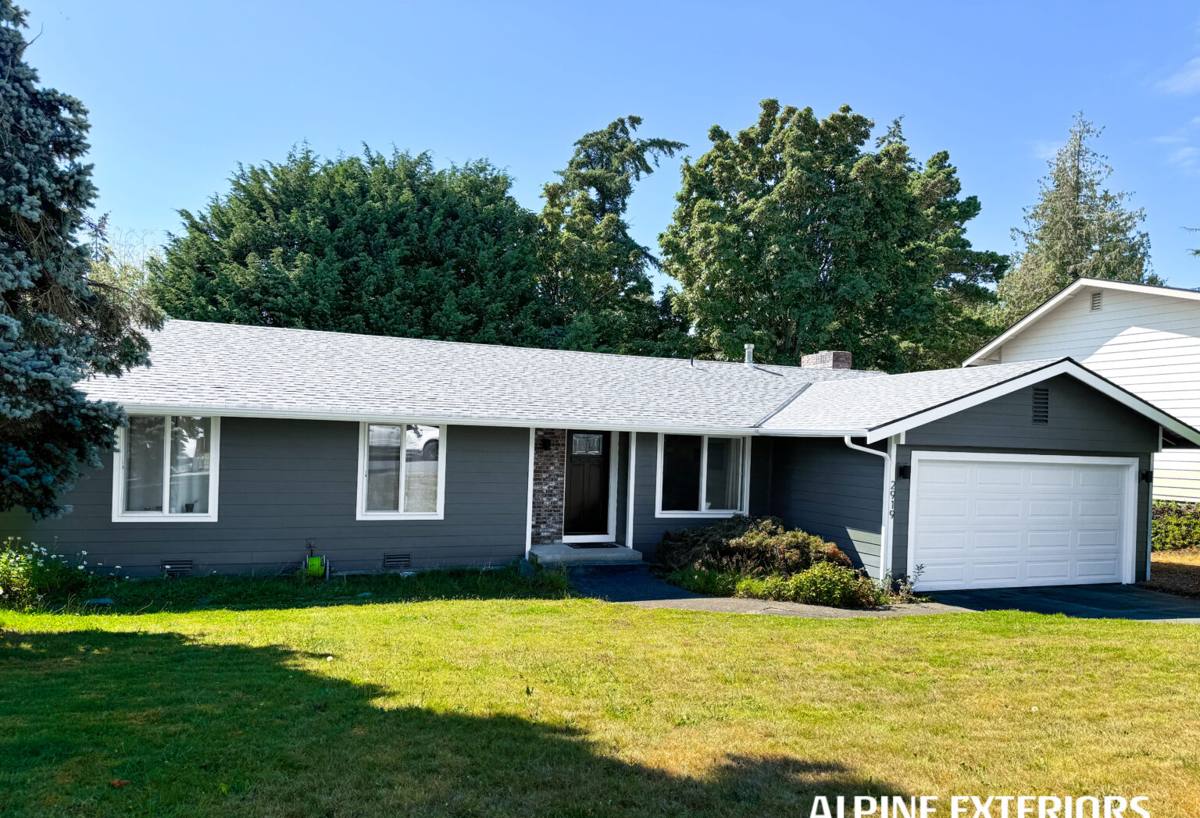
What Sarasota's Climate Does to Siding Over Time
UV and Heat
Central Florida sun is relentless. Cheaper paint systems and unstable substrates chalk, fade, and start showing color breakdown well before a homeowner expects a repaint. A siding product's factory finish — how it's baked on and what's in it — matters more here than in almost any other part of the country.
Wind-Driven Rain
It's not the rain itself that causes rot and mold behind siding — it's rain pushed sideways under pressure, working its way behind panels through gaps, unsealed seams, and poorly lapped joints. A siding system is only as good as its water-management details: starter strips, flashing, house wrap, and the gaps left (or not left) around penetrations.
Humidity and Moisture Cycling
Sarasota County stays humid for most of the year. Siding that absorbs and holds moisture swells, and repeated wet-dry cycling is what eventually causes warping, buckling, and fastener failure in wood-based and engineered-wood products.
Wind Load
Fastener pattern, panel overlap, and nailing schedule aren't cosmetic details out here — they're what keeps siding on the wall in a named storm. Florida's building code treats wind zones seriously, and installation that doesn't match the spec is installation that's likely to fail exactly when it matters most.
Salt Air
Fruitville isn't waterfront, but salt still travels on the breeze across this part of the county. Over years, it accelerates corrosion on fasteners, trim accessories, and any metal component that isn't rated for a coastal-adjacent environment.
Why We Install Only James Hardie
We get asked why we don't offer LP SmartSide, vinyl, or other fiber cement brands like Cemplank or Allura. The honest answer is that we standardized on one product line because it lets us guarantee the same result on every job, and because James Hardie's engineering is built around exactly the climate problems above.
- Non-combustible core: fiber cement doesn't feed a fire the way wood-based siding can, which matters in a state with dry brush seasons and close-set neighborhoods.
- ColorPlus factory finish: baked-on color and a stronger UV-resistant top coat than field-applied paint, which matters given how much sun this siding will sit under.
- HardieZone HZ10 engineering: Hardie makes climate-specific formulations, and the HZ10 line is engineered for hot, humid, high-moisture regions like Gulf Coast Florida — different chemistry than the HZ5 product sold in colder, drier climates.
- Moisture behavior: fiber cement doesn't swell and rot the way engineered wood products can when a seal eventually fails somewhere on the wall — and on a 20+ year siding job, something eventually will need attention.
- Transferable warranty: a real, honored warranty structure that follows the house, not just the original owner.
None of that means other products are junk — LP SmartSide and vinyl both have legitimate uses and honest trade-offs. We just don't think they're the right long-term answer for a Sarasota County exterior, and we'd rather tell homeowners that directly than install something we're not confident will hold up here.
What a Correct Fiber Cement Installation Actually Involves
Most siding failures we get called out to inspect aren't a product problem — they're an installation shortcut. Fiber cement is unforgiving of skipped steps because the damage happens behind the panels where nobody sees it until it's expensive.
Tear-Off and Substrate Check
Old siding comes off, and the sheathing underneath gets inspected for rot, soft spots, or prior water damage before anything new goes up. Covering a compromised substrate with new siding just hides the problem — it doesn't fix it.
Weather-Resistive Barrier
A properly lapped house wrap or building paper goes on correctly shingled (top over bottom) so any water that does get behind the siding drains down and out instead of pooling against the wall.
Flashing and Penetrations
Windows, doors, hose bibs, vents, and any other wall penetration get flashed and sealed to Hardie's installation spec — this is where most water intrusion problems actually originate on a poorly done job.
Fastening Schedule
Nailing pattern, fastener type, and spacing follow Hardie's published requirements for the local wind zone, not a generic pattern. This is the difference between siding that stays put in a tropical storm and siding that peels off the wall.
Clearances and Gaps
Proper gaps at trim, corners, and ground clearance let the assembly expand, contract, and drain instead of trapping moisture against the panel edge — a detail that's easy to rush and expensive to ignore.
Caulking and Finish
Sealant at joints and trim uses products compatible with the ColorPlus finish, and touch-up paint (where needed) is matched correctly so the factory finish isn't compromised at the seams.
Our Process on a Fruitville Job
- On-site assessment: we walk the exterior, check the substrate where visible, and talk through what's actually driving the need — storm damage, age, moisture issues, or a straight-up upgrade.
- Written estimate: scope, product line, color, and a clear price — no vague allowances that turn into change orders later.
- Permitting: we handle the Sarasota County permit process for the job, since siding replacement here typically requires one.
- Tear-off and prep: old siding removed, substrate inspected and repaired as needed before anything new goes on.
- Installation to spec: weather barrier, flashing, fastening schedule, and clearances done to Hardie's requirements for this wind zone and climate.
- Final walkthrough: we go over the finished job with the homeowner before calling it done.
Why a Crew That Already Works Fruitville Matters
Siding installation isn't uniform across Florida. A crew that regularly works Sarasota County jobs already knows the local wind-zone requirements, has a working relationship with the county permitting process, and has seen firsthand what actually fails on homes in this specific climate versus what's a problem elsewhere. That's not a small thing — it's the difference between a crew guessing at code minimums and one that installs to them as a matter of habit. It also means faster scheduling, since we're not driving a crew in from across the state for a single project, and faster response if something needs a warranty check after the job is done.
Cost Factors on a Fruitville Siding Project
| Factor | Why It Affects Price |
|---|---|
| Home size and wall area | More square footage means more material and labor hours |
| Existing siding removal | Tear-off of old vinyl, wood, or stucco adds labor beyond a bare-wall install |
| Substrate condition | Rotted or water-damaged sheathing needs repair before new siding goes on |
| Siding profile | Lap, shingle, and panel styles differ in material and labor cost |
| Trim and architectural detail | Corners, soffits, and decorative trim add cutting and fitting time |
| Story height and access | Second-story and hard-to-access walls take longer and may need lift equipment |
| Color and finish selection | ColorPlus factory finish colors vs. field-painted options price differently |
We give a firm written number after seeing the house — not a phone estimate — because these factors genuinely change job to job.
Signs You're Getting a Correct Installation
- The contractor pulls a permit and can name the wind zone requirements for your address
- They inspect the sheathing before covering it, not just the old siding
- They can explain their fastening schedule and flashing approach without hand-waving
- They're installing to the manufacturer's published spec, not "how we've always done it"
- The estimate is specific — product line, color, scope — not a vague lump sum
- They stand behind the work with a warranty that's actually transferable
Maintenance After Installation
A correctly installed James Hardie system in Sarasota County is low-maintenance, not no-maintenance. Rinse the exterior periodically to keep salt residue and pollen film from building up, keep an eye on caulked joints and touch up if a seal starts to fail, and keep irrigation heads and sprinklers from spraying directly on the siding day after day. Beyond that, the ColorPlus finish and the material itself are built to handle the sun, humidity, and storms this area sees every year.
If your Fruitville home needs new siding — or you're just not sure whether what's on the walls now is holding up the way it should — we're happy to come take a look. The estimate is free, there's no pressure, and you'll get a straight answer about what your house actually needs.