 Sarasota Siding
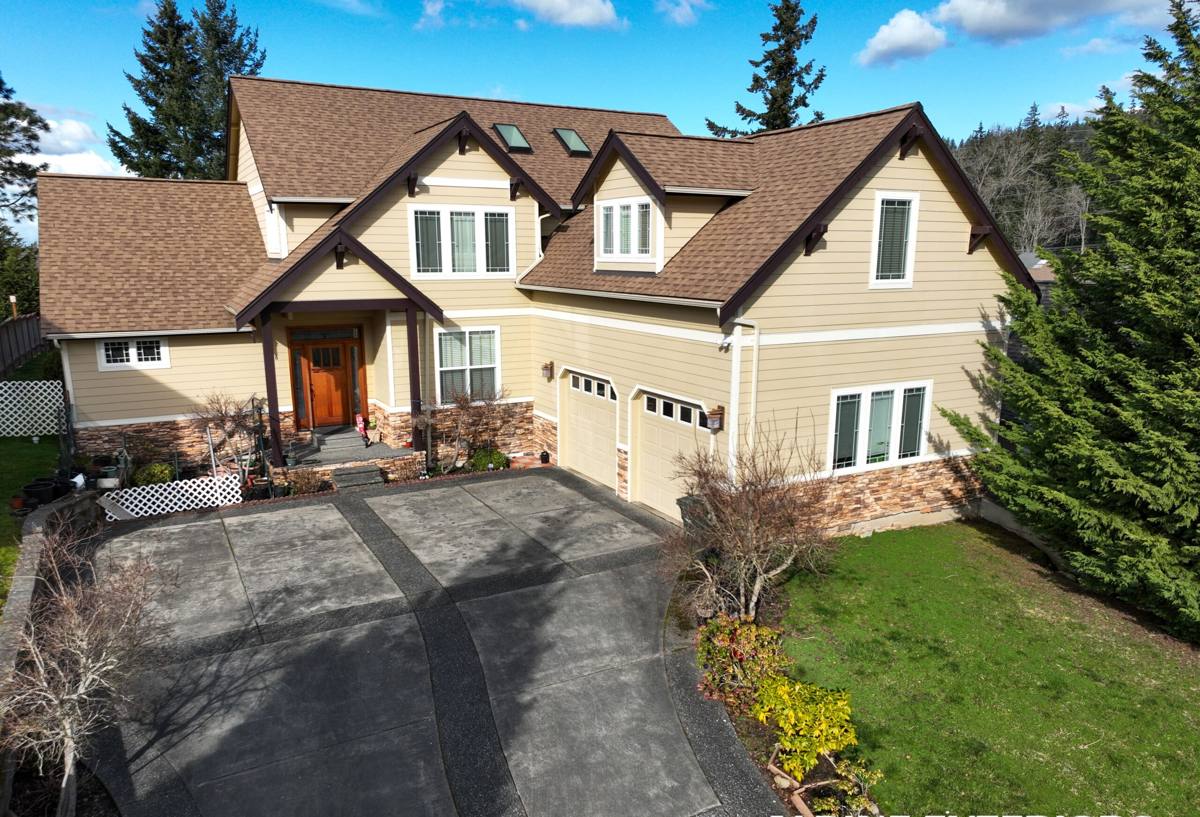
 New Roof Installation for University Park Homes
University Park sits among the established residential communities on the north side of the Sarasota area, with a mix of tile-roofed homes, shingle roofs from various build eras, and newer construction that's already seen a decade or more of Gulf Coast weather. When a roof in this neighborhood reaches the end of its service life — or takes storm damage that's beyond a patch-and-repair fix — a full replacement isn't just about stopping leaks. It's about putting a roof system on the house that's actually built for what this part of Florida throws at it, year after year.
We install new roofs for homeowners throughout University Park and the surrounding Sarasota-area communities. This page covers what a correct installation involves here specifically, what local conditions demand from the materials and the workmanship, and how our process runs from first inspection to final walkthrough.
Why This Climate Changes What "Correct" Looks Like
A roof installed to code in a mild climate and a roof installed correctly for the Sarasota area are not the same job, even if they use similar-looking materials. Homes here deal with hurricane-force wind events, intense UV exposure that runs nearly year-round rather than seasonally, wind-driven rain that gets forced sideways and upward under roof edges and flashing, and salt-laden air that accelerates corrosion on anything metal. Any one of those factors would be enough to plan around. Together, they mean shortcuts that might pass unnoticed in a drier or calmer climate show up fast here — as lifted shingles, cracked tile, rusted fasteners, or leaks at penetrations within a few storm seasons.
For University Park specifically, that means we're not just replacing what's failing — we're evaluating whether the underlying deck, the flashing details, and the fastening pattern actually match current wind-load expectations for this area, not just what was standard when the home was originally built.
The Four Stressors, and What They Actually Do to a Roof
- Hurricane-force wind: Creates uplift pressure at edges, ridges, and corners first — this is why fastening pattern and edge detailing matter more than the shingle or tile brand itself.
- Year-round UV: Breaks down asphalt shingle mat and oils over time, and fades or chalks unprotected surfaces faster than in climates with a real winter to slow the degradation.
- Wind-driven rain: Doesn't just fall straight down — it gets pushed under laps, around vents, and up under ridge caps, which is why underlayment and flashing quality matter as much as the visible roof covering.
- Salt air: Corrodes exposed fasteners, flashing, and metal accessories faster near the coast, which is a real consideration even for University Park's inland-of-the-beach location.
What a Full Roof Replacement Actually Involves
"New roof" gets used loosely, so it's worth being specific about what a real replacement includes versus what gets skipped by crews cutting corners on price.
1. Tear-Off and Deck Inspection
We remove the old roofing material down to the deck — not overlay a new layer on top, which traps moisture and hides problems. Once the deck is exposed, we inspect it for soft spots, delamination, or water staining. Any damaged decking gets replaced before anything new goes down. This step is where a lot of hidden damage from old wind-driven rain intrusion actually gets found.
2. Underlayment
The underlayment is the roof's real waterproof barrier — the shingles or tile on top are the first line of defense, but the underlayment is what keeps water out if wind drives rain past that first layer. In this climate, we don't treat underlayment as an afterthought; it's sized and installed to actually handle wind-driven rain, not just occasional drizzle.
3. Flashing at Every Penetration
Valleys, chimneys, skylights, vent pipes, and wall intersections all need properly formed and sealed flashing. This is one of the most common places older roofs fail, and one of the most common places corner-cutting installers skip proper detailing because it's slower and more labor-intensive than just running material over the top.
4. Fastening for Wind Uplift
Fastener count, placement, and type at edges, ridges, and field areas are what actually determine how a roof performs in a wind event — this is where code-minimum work and correctly-built work diverge most.
5. Ventilation
Proper attic ventilation extends the life of the roofing material by keeping heat and moisture from building up underneath it — especially relevant given how much direct sun this roof surface takes for most of the year.
6. Final Inspection and Cleanup
Every penetration, edge, and transition gets checked before we call it finished, and the property gets cleaned of debris and nail sweep.
Material Options for University Park Homes
The right roofing material depends on the home's structure, HOA requirements common in planned communities like this one, and the homeowner's budget and maintenance preferences. We'll walk through real options rather than pushing one product.
| Material | Typical Lifespan | Wind Performance | Considerations |
|---|---|---|---|
| Architectural asphalt shingle | 20–30 years | Good, when installed with proper fastening and rated for local wind zones | Most affordable upfront; UV exposure and heat cycling are the main long-term factors |
| Concrete or clay tile | 40–50+ years | Very good when correctly fastened; heavy, so structure must support it | Higher upfront cost; individual tiles can crack from impact and need occasional replacement |
| Standing seam metal | 40–50+ years | Excellent uplift resistance with proper clip spacing | Higher cost; needs quality coatings and fasteners to resist salt-air corrosion |
Many homes in University Park were built with tile roofs given the community's age and style, but shingle re-roofs are also common where the structure or budget calls for it. We'll be straightforward with you about which option makes sense for your specific roof rather than steering you toward whatever's easiest for us to install.
What Drives Cost on a Real Estimate
We don't publish blanket pricing because roof cost depends on real, house-specific factors — but here's what actually moves the number, so you know what you're being quoted for.
- Roof size and number of facets, valleys, and hips
- Pitch and accessibility — steeper or harder-to-reach roofs take more labor and safety equipment
- Current material — tile removal and disposal costs more than shingle tear-off
- Deck condition once the old material is off
- Material selected for the replacement
- Number of penetrations (vents, skylights, chimneys) needing flashing
- Permitting requirements, which apply to essentially all full roof replacements in this area
We give a written estimate after an in-person inspection — not a phone-quote guess — because the deck condition and true scope aren't fully known until someone's actually up there.
Our Process, Start to Finish
1. Inspection and Estimate
We come out, inspect the current roof from the deck up where possible, take measurements, and discuss material options and budget. You get a written estimate, not a verbal ballpark.
2. Permitting
Roof replacements require permitting through the applicable local building department. We handle that paperwork as part of the job rather than leaving it on the homeowner.
3. Material Delivery and Scheduling
We schedule around weather — installing a roof mid-downpour or ahead of an incoming storm system isn't a risk worth taking with your home exposed. Florida's storm season means we build reasonable weather buffer into the schedule.
4. Installation
Tear-off, deck repair as needed, underlayment, flashing, and material installation as outlined above, done in sequence with each step inspected before moving to the next.
5. Final Walkthrough
We walk the property with you, cover care and maintenance basics for the new roof, and answer questions about warranty coverage on both material and workmanship.
Why Local Experience in This Neighborhood Matters
A crew that's worked in University Park and similar Sarasota-area communities already knows the common roof ages and construction styles in the neighborhood, understands local permitting requirements and inspection expectations, and has a feel for how homes here have actually held up through past storm seasons — which informs decisions about deck repair, flashing detail, and material choice that a crew unfamiliar with the area might miss. That local pattern recognition is worth something you can't get from a generic national roofing company parachuting in for one job.
Maintenance After Installation
A new roof still needs basic upkeep to hit its full expected lifespan in this climate:
- Keep gutters and valleys clear of debris so water sheds properly during heavy rain
- Have the roof visually inspected after major storm events, even if no leak is visible
- Trim back overhanging branches that can drop debris or hold moisture against the surface
- Address any lifted shingle, cracked tile, or flashing gap promptly rather than waiting
- Schedule a periodic professional inspection every couple of years, especially as the roof ages
Get an Estimate for Your University Park Roof
If your roof is aging, showing damage, or you're just trying to plan ahead of the next storm season, we're happy to come take a look and give you a straight, no-pressure estimate. Fill out the form below and we'll get in touch to schedule a time that works for you.