 Sarasota Siding
 Windows Built for Venice, Not Just Sold There
Venice sits close enough to the Gulf that its homes deal with a specific combination of stress most inland window buyers never think about: salt-laden air, sustained UV exposure nearly year-round, wind-driven rain that finds every gap in a bad seal, and the real chance of a tropical system pushing hurricane-force gusts against every opening in the house. A window that performs fine in a milder climate can fail here within a few years — not catastrophically, just quietly, through fogged glass, swollen frames, corroded hardware, or a seal that lets water in during the next heavy blow. Custom windows done right account for all of that from the start, not as an afterthought.
This page covers what a correct custom window job looks like specifically for Venice and the surrounding Sarasota County area — what the climate demands, what "custom" should actually mean, how a proper installation goes, and why it matters to hire a crew that already works this part of the coast.
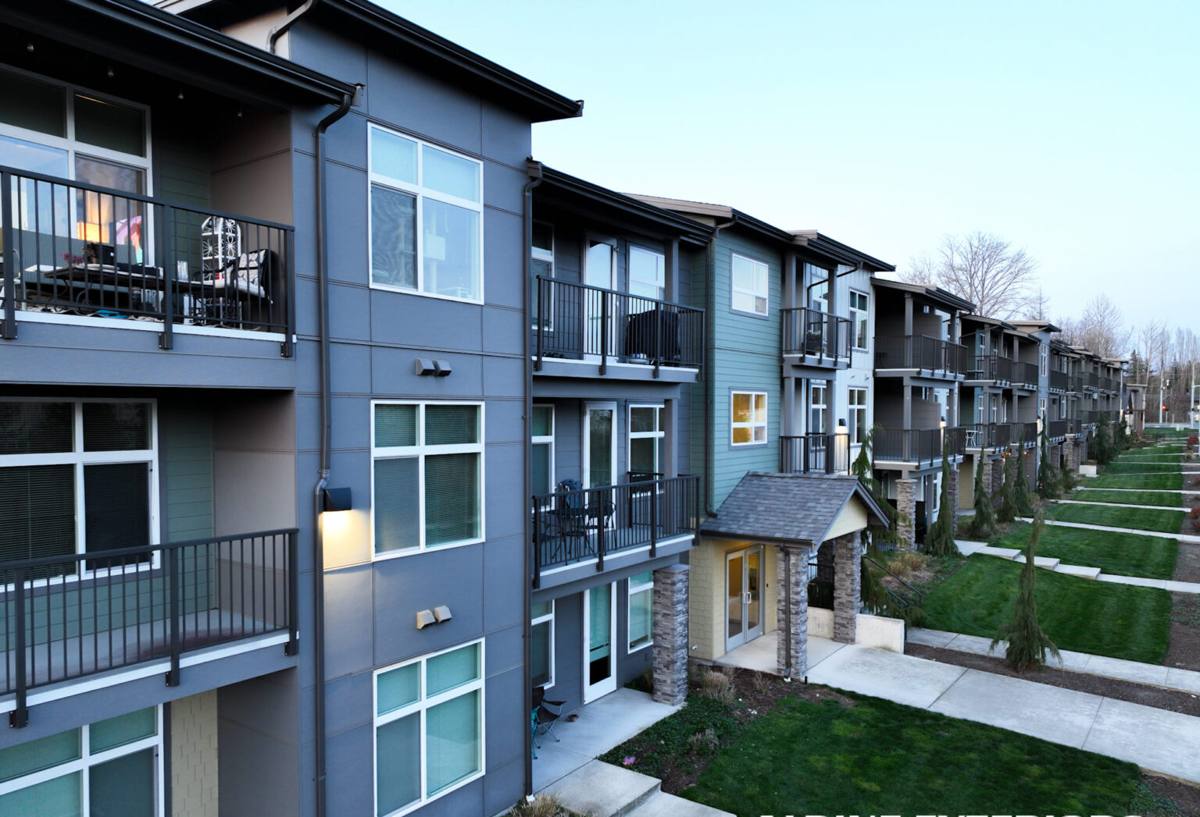
What Venice Homes Are Actually Up Against
Salt Air and Corrosion
Proximity to the Gulf means airborne salt settles on everything, including window hardware, screen frames, and any exposed fasteners. Lower-grade hardware corrodes faster here than it would even twenty or thirty miles inland. Custom window specs should account for this with corrosion-resistant hardware and fasteners rated for coastal use, not standard-grade components sold for interior climates.
UV Exposure
Florida sun is intense and consistent almost all year. UV breaks down cheap vinyl, dries out inferior seals, and fades interior finishes on frames that aren't properly stabilized against sun exposure. Over time this shows up as chalking, warping, or discoloration on frames that were never meant to sit in direct Gulf Coast sun for a decade-plus.
Wind-Driven Rain
Even outside of named storms, Sarasota County gets heavy squalls where rain comes in sideways. A window that's watertight in a light rain can still leak under wind-driven rain if the flashing, sealant, and drainage details weren't done correctly. Most window leaks we get called out to fix aren't glass failures — they're installation and flashing failures.
Hurricane-Force Wind and Debris
Windows are one of the most vulnerable points on a house during a storm. A breach at one window can pressurize the whole structure and cause much larger damage to the roof and walls. This is the single biggest reason custom window choices in Venice differ from window choices in most of the country.
What "Custom" Should Actually Mean Here
"Custom" gets used loosely in this industry. For a Venice home, it should mean the window is specified — not just sized — for that particular house: the opening's exposure to prevailing wind and rain, the home's age and framing condition, the architectural style, and the performance rating the opening actually needs. A true custom job includes:
- Exact field measurement of each opening, accounting for out-of-square conditions common in older Florida homes
- Frame material and glass package matched to that opening's sun and wind exposure, not a one-size spec for the whole house
- Wind and impact ratings appropriate to the home's location and local building code requirements
- Color and grid pattern selection that fits the home's existing architecture rather than a generic stock look
- Flashing and drainage details planned before installation, not improvised on site
Stock, off-the-shelf replacement windows can be a reasonable option for some interior or low-exposure openings. But for street-facing walls, upper floors, and anything with direct Gulf exposure, custom-specified windows are worth the difference.
Frame Materials: What Holds Up on This Coast
Material choice matters more here than in most parts of the country because the combination of salt air, humidity, and UV is unusually hard on lower-grade products. Below is a general comparison of common frame materials as they perform in a Sarasota County coastal environment. Actual performance always depends on the specific product line and installation quality, not the material alone.
| Material | Coastal Durability | Maintenance | Typical Use Case |
|---|---|---|---|
| Vinyl (quality-grade) | Good when UV-stabilized | Low — rinse periodically | Most residential replacements |
| Aluminum | Strong structurally, needs corrosion protection | Moderate — watch for pitting near coast | Larger openings, impact-rated systems |
| Fiberglass | Very good — stable in heat and humidity | Low | Higher-end custom jobs, extreme exposure areas |
| Wood / wood-clad | Needs active protection from moisture | High — regular sealing/painting | Historic or architectural-match projects only |
We steer most Venice homeowners away from bare wood frames on Gulf-facing walls — not because wood can't look great, but because the maintenance burden in this humidity and salt exposure is real, and a missed maintenance cycle can lead to rot inside the frame before it's visible outside. If the look of wood matters to the home's style, a wood-clad or wood-grain vinyl/fiberglass option gets closer to that look with far less upkeep.
Impact Rating: What It Means and Why It Matters Here
Impact-rated windows use laminated glass — two panes bonded around an interlayer — engineered to stay intact when struck by wind-borne debris, rather than shattering inward. In Sarasota County's wind-borne debris region, this is a serious consideration for any home near the coast, and local building codes generally require either impact-rated glazing or approved protective coverings on new and replacement windows in qualifying areas.
Impact-Rated vs. Standard Glass with Shutters
Homeowners sometimes ask whether it's cheaper to install standard windows and rely on shutters or panels instead. Both approaches can meet code depending on the specific requirements for your property, but they trade off differently:
- Impact-rated windows protect the opening at all times, require no action before a storm, and typically reduce noise and UV transmission as a side benefit of the laminated glass — but they cost more upfront.
- Standard windows with shutters or panels cost less initially, but require you to install protection before every storm, need storage space, and depend on you being home or having help available when a storm is approaching.
We'll walk through both options honestly for your specific home rather than pushing one option across the board — the right call depends on the home, the budget, and how much you want to think about storm prep every season.
How Our Process Works for a Venice Job
1. On-Site Assessment
We look at each opening individually — sun exposure, current condition of the framing, signs of past water intrusion, and what wind zone requirements apply to your address in Sarasota County.
2. Product Selection
We go through frame material, glass package, and impact rating options based on that assessment, with real trade-offs explained — not just a single "package" pushed on every home.
3. Precise Measurement and Ordering
Custom units are built to the exact opening, including adjustments for out-of-square or settled framing that's common in older homes in this area.
4. Permitting
Window replacement in Sarasota County generally requires a permit, particularly where impact ratings or structural changes are involved. We handle this as part of the job rather than leaving it to the homeowner.
5. Removal and Installation
Old units are removed carefully to protect surrounding stucco, siding, or trim. New units are set plumb and level, mechanically fastened per manufacturer and code requirements, and flashed and sealed to shed wind-driven rain — this flashing step is where most bad window jobs actually fail, even when the window product itself is high quality.
6. Final Inspection and Cleanup
We check operation, seal integrity, and finish work before calling the job done, and coordinate any required inspection sign-off.
Problems We Commonly Find on Older Installations
A lot of our Venice-area calls aren't for brand-new installs — they're for fixing or replacing windows that were installed poorly the first time, often by an out-of-area crew unfamiliar with local exposure conditions. Recurring issues include:
- Sealant applied over dirty or incompatible surfaces, failing within a year or two instead of lasting
- Missing or improperly lapped flashing, allowing wind-driven rain behind the frame
- Standard-grade hardware that's already corroding from salt exposure within a few years
- Frames installed out of plumb, causing premature seal and operation failure
- Non-impact glass installed in areas that call for impact protection under current code
None of these are hard to avoid with correct technique — they're avoidable with a crew that treats flashing and sealing as seriously as the window product itself.
Maintaining Custom Windows in a Coastal Climate
Even a well-installed, high-quality window benefits from basic upkeep in this environment. A simple seasonal routine goes a long way:
- Rinse frames and tracks periodically to remove salt residue, especially after storms
- Check weep holes (drainage openings) for debris so water can exit properly
- Inspect exterior sealant annually for cracking or separation and address small gaps before they grow
- Operate hardware occasionally on windows that aren't used often, to keep mechanisms from seizing
- Watch for condensation between panes on insulated glass units, which can signal a seal failure
What Affects Cost
Every home is different, and we'll always give you specifics after an on-site look rather than a number over the phone. In general, these factors move the price of a custom window project up or down:
| Factor | Effect on Cost |
|---|---|
| Impact-rated glass vs. standard | Increases cost, often offset by reduced storm-prep needs and potential insurance considerations |
| Frame material (vinyl vs. fiberglass, etc.) | Higher-durability materials generally cost more upfront |
| Number and size of openings | More or larger openings increase material and labor cost |
| Structural or framing repairs needed | Adds cost if old framing has moisture or settling damage |
| Custom shapes, grids, or architectural matching | Increases fabrication cost over standard rectangular units |
| Permitting and inspection requirements | Adds administrative cost but is a required part of a compliant job |
Why It Matters to Hire a Crew That Already Works Venice
A window installer who mostly works inland or out of state may not think in terms of salt exposure, wind-borne debris requirements, or how wind-driven rain behaves against a Gulf-facing wall — because they haven't had to. A crew that regularly works Venice and the broader Sarasota area already knows which details matter here: the hardware grades worth spending on, the flashing techniques that actually keep rain out during a squall, and the permitting expectations specific to this county. That familiarity shows up less in the sales pitch and more in how the job holds up five and ten years later.
If you're weighing a custom window project for a Venice home — whether it's a few problem openings or a full-house replacement — we're glad to take a look and give you an honest read on what your home actually needs. Reach out for a free, no-pressure estimate using the form below.