 Sarasota Siding
 Palmer Ranch Sits in One of Sarasota County's Toughest Climates for Siding
Palmer Ranch homes take a beating that most of the country never has to think about. Between hurricane-force wind events, sun exposure that runs strong twelve months a year, wind-driven rain that gets forced sideways into wall assemblies, and salt-laden air drifting in off the Gulf, exterior cladding here is under constant stress. Cheap siding, or siding installed without Florida's climate in mind, doesn't fail gradually in Sarasota County — it fails fast, and usually at the seams first.
That's the entire reason this page exists. James Hardie fiber cement siding, installed correctly, is engineered for exactly this environment. But "James Hardie siding" and "correctly installed James Hardie siding" are two very different outcomes, and the gap between them shows up on Palmer Ranch homes within a few storm seasons if a crew cuts corners on flashing, fastening, or joint treatment.
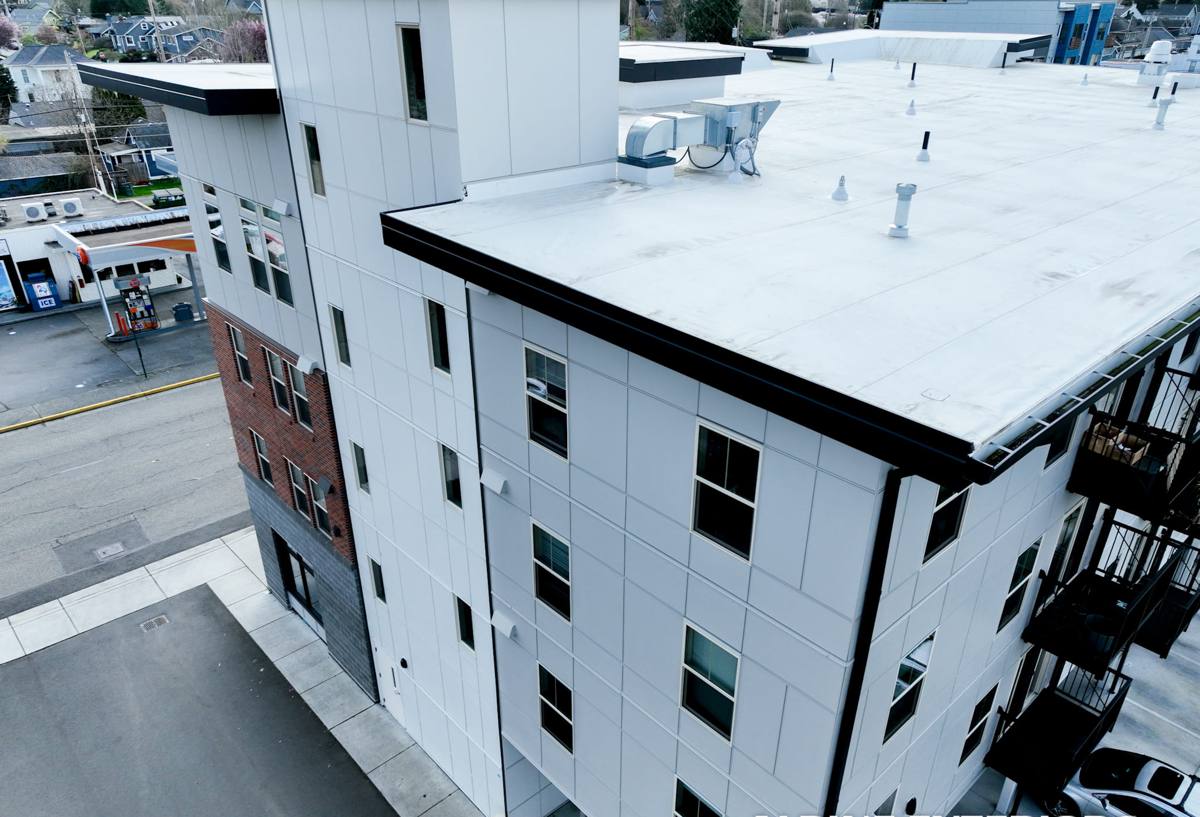
What Palmer Ranch Homes Actually Need From Their Siding
Before getting into product lines and installation detail, it's worth being specific about what "built for this climate" means in practice for a Palmer Ranch property:
- Wind resistance: siding and fasteners rated and installed to hold under sustained high wind and gusting, not just meet a minimum code number on paper.
- Moisture management: a drainage plane and flashing details that move wind-driven rain back out of the wall assembly instead of trapping it behind the cladding.
- UV stability: a factory finish that doesn't chalk, fade, or need repainting every few years under year-round Florida sun.
- Salt air tolerance: a substrate and fastener system that won't corrode or degrade from the airborne salt that reaches well inland from the coast.
- Non-combustibility: fiber cement doesn't feed a fire the way wood-based or foam-backed products can, which matters in dense residential neighborhoods.
James Hardie's HardieZone system was built around exactly this kind of regional engineering. Sarasota County falls in the HZ5 climate zone — Hardie's designation for hot, humid, high-moisture regions — and the HZ5 product formulation and installation guidance are written specifically for the conditions Palmer Ranch homes face, not a generic national spec.
Why Generic Siding Choices Struggle Here
Vinyl siding softens and warps under sustained heat and can crack in wind events. Wood-based and OSB-core products absorb moisture at cut edges and swell or rot when wind-driven rain gets behind them repeatedly. Products with a job-site-applied finish depend entirely on paint quality and reapplication schedule to hold color and protect the substrate under constant UV load. None of that is a knock on any single manufacturer — it's why we standardized on factory-finished James Hardie fiber cement and don't install alternatives, and it's why the installation details below matter as much as the product choice itself.
What a Correct James Hardie Installation Involves
The product only performs to spec if the installation matches it. On a Palmer Ranch home, that means paying close attention to a handful of details that are easy to skip and expensive to fix later.
Moisture Management Behind the Siding
Correct installation starts with a proper water-resistive barrier and drainage plane behind the siding, not just the cladding itself. Flashing at every window, door, roofline transition, and penetration has to be installed so water sheds outward and down, never inward. In a climate where wind-driven rain regularly gets pushed sideways into wall assemblies, a missed flashing detail is the single most common cause of hidden moisture damage behind otherwise good siding.
Fastening and Clearances
James Hardie specifies fastener type, spacing, and embedment depth for HZ5 conditions, and those specs exist because under-driven or over-driven nails, wrong fastener spacing, or the wrong fastener material will loosen or corrode faster in a salt-air, high-wind environment. Manufacturer-specified clearances from grade, roof lines, and decking also have to be held so the bottom edge of the siding never sits in standing water or constant splash-back.
Joints, Caulking, and Butt Seams
Board-to-board joints and butt seams are where most premature siding failures start, regardless of brand. Correct technique means properly sized gaps, the right sealant for a fiber cement substrate, and staggered seams so the whole wall isn't relying on one vertical line of caulk. In UV-heavy climates, sealant choice and application also determine how long those joints stay flexible before they crack.
Trim, Corners, and Transitions
Corner boards, trim around openings, and transitions to soffit or roofline need consistent flashing and gapping so they move independently as the material expands and contracts with heat. Skipping this is a common source of the hairline cracking and staining homeowners notice a few years after a lower-cost installation.
Product Lines and Options for Palmer Ranch Homes
James Hardie's HZ5 product family gives Palmer Ranch homeowners real options in profile and finish without changing the underlying performance. The table below covers the pieces most commonly used together on a full siding job.
| Product | Typical Use | What It Offers |
|---|---|---|
| HardiePlank Lap Siding | Primary wall cladding | Traditional horizontal lap look in several exposure widths and surface textures |
| HardiePanel Vertical Siding | Accent walls, gables, modern facades | Clean vertical lines, often paired with batten strips |
| HardieTrim Boards | Corners, window and door surrounds, fascia | Matching factory finish for a consistent trim package |
| HardieSoffit Panels | Eaves and overhangs | Vented or non-vented options that resist moisture and pests |
All of these are available with Hardie's ColorPlus factory finish — a baked-on, UV-cured coating applied under controlled conditions rather than sprayed or brushed on site. For Palmer Ranch homes sitting under strong year-round sun, that factory finish is what keeps color from fading or chalking the way a field-applied paint job typically does within a few seasons, and it comes with its own finish warranty separate from the substrate warranty.
Our Process, Start to Finish
Every Palmer Ranch estimate follows the same sequence, because skipping steps is exactly how climate-related failures happen later:
- On-site assessment: we walk the exterior, check current siding and substrate condition, and note wind exposure, drainage patterns, and any existing moisture damage.
- Product and profile selection: we go over HardiePlank exposure widths, textures, and ColorPlus color options based on the home's style and any community aesthetic guidelines.
- Written estimate: scope, product line, and a clear breakdown of what's included — tear-off, weather barrier, flashing, trim, and finish.
- Permitting: Sarasota County permitting and wind-load documentation are handled before work starts, not treated as an afterthought.
- Removal and substrate check: old siding comes off and we inspect sheathing for hidden rot or moisture damage before anything new goes up.
- Weather barrier and flashing installation: the drainage plane and flashing details go in first, since this is the layer that actually keeps water out.
- Siding, trim, and joint work: installed to Hardie's HZ5 fastening and clearance specifications, with staggered, properly sealed joints.
- Final walkthrough: we inspect the finished job with the homeowner and go over warranty registration.
Why a Crew That Already Works Palmer Ranch Matters
Siding installation quality depends heavily on local familiarity, and that's not a sales line — it shows up in three concrete ways on a job like this:
Permitting and code fluency. Sarasota County's permitting process and wind-load documentation requirements are specific, and a crew that pulls permits here regularly moves through that process without delays that stall a project mid-tear-off, which matters when the home's weather barrier is exposed.
Community and aesthetic guidelines. Palmer Ranch, like many planned communities in the area, has deed restrictions or architectural guidelines that can affect approved colors, profiles, or trim details. A crew familiar with the neighborhood knows to check this early rather than after materials are ordered.
Construction type familiarity. Homes in this part of Sarasota County are commonly built on concrete block with stucco or existing siding over furring strips, and each substrate type changes how the weather barrier, flashing, and fastening are approached. Getting this wrong is how moisture gets trapped behind new siding on an old wall assembly.
Cost Factors on a Palmer Ranch James Hardie Project
Every home is different, so exact numbers only come from an on-site estimate — but the factors that move a Hardie siding project up or down in scope are consistent enough to explain up front.
| Cost Factor | Why It Matters |
|---|---|
| Home size and wall complexity | More corners, gables, and dormers mean more cutting, trim, and labor time |
| Current substrate condition | Rotted sheathing or hidden moisture damage found during tear-off adds repair work |
| Product mix | Lap siding, vertical panels, and trim packages price differently based on how much of each is used |
| Existing siding removal | Full tear-off of old material costs more than working over a properly prepped surface |
| Color and texture selection | Standard ColorPlus colors versus custom options can shift material cost |
| Access and site conditions | Multi-story sections, tight lot lines, or landscaping can add labor time |
We walk through these factors during the on-site visit so the estimate reflects the actual home, not a generic square-footage guess.
Maintenance and Warranty Expectations
One of the practical advantages of James Hardie fiber cement with a ColorPlus finish is how little ongoing maintenance it asks for compared to painted wood-based siding. Homeowners in Palmer Ranch can generally expect to rinse the exterior periodically to clear salt residue and pollen, inspect caulking at joints and trim once a year, and otherwise leave the finish alone for many years without repainting. James Hardie backs the substrate with a long-term limited warranty, and the ColorPlus finish carries its own separate finish warranty — both are transferable to a subsequent homeowner if the home sells, which is worth confirming in writing at the time of installation, since registration and documentation requirements apply.
Questions Worth Asking Any Contractor Before You Sign
- Are they a James Hardie-focused installer, or does fiber cement sit alongside several other siding brands they install the same way?
- Will they show you the specific flashing and drainage plane details they plan to use before tear-off starts?
- Do they pull their own permits and handle Sarasota County wind-load documentation directly?
- Can they speak specifically to any Palmer Ranch community guidelines that might affect color or profile approval?
- Is the estimate itemized by product line, prep work, and trim — or a single lump-sum number?
- Do they register the manufacturer warranty on your behalf, and is that confirmed in writing?
If your Palmer Ranch home is due for new siding, or you want a second opinion on a quote you've already received, we're happy to walk the exterior with you and put together a clear, no-pressure estimate. There's no obligation — just a straight look at what your home needs and what correct James Hardie installation would involve.