 Sarasota Siding
 Palmer Ranch sits in unincorporated Sarasota County, a few miles inland from Siesta Key but still well within reach of everything the Gulf throws at this part of Florida. Homes here see the same hurricane-force wind gusts, wind-driven rain, and relentless UV exposure as properties closer to the coast, plus the slow creep of salt air that works its way into window frames, hardware, and seals over time. Custom windows for this neighborhood aren't a cosmetic upgrade — they're a functional system that has to perform in wind events, keep water out during summer storms, and hold up to sun exposure that degrades ordinary materials faster than most homeowners expect.
This page covers what a correct custom window job looks like specifically for Palmer Ranch homes: the climate demands, the code requirements, what "custom" actually means in practice, and why local experience on this particular stretch of Sarasota County matters when you're choosing a crew.
What Palmer Ranch's Climate Actually Does to Windows
Sarasota County isn't in the state's High-Velocity Hurricane Zone (that designation applies to Miami-Dade and Broward counties), but it's still governed by Florida Building Code wind provisions that require windows to be engineered and tested for the wind speeds mapped for this area. That means every window installed here — custom or standard size — has to carry a wind load rating and, in most cases, either be impact-rated or paired with code-compliant shutters or panels.
Beyond wind, three other factors do steady damage over the years:
- UV exposure — near year-round sun breaks down vinyl, weakens seals, and fades or yellows lower-grade frame materials faster than in northern climates.
- Wind-driven rain — Sarasota's summer storms don't just fall straight down; they push water sideways into any gap in flashing, sealant, or frame fit.
- Salt air — even set back from the water, Palmer Ranch gets enough salt in the air to corrode poor-quality hardware, screws, and aluminum components over a decade or two.
A window that isn't specified and installed with all three in mind will show it early: hazy or fogged glass from failed seals, chalky or pitted frames, sticking hardware, and water staining below the sill after storms.
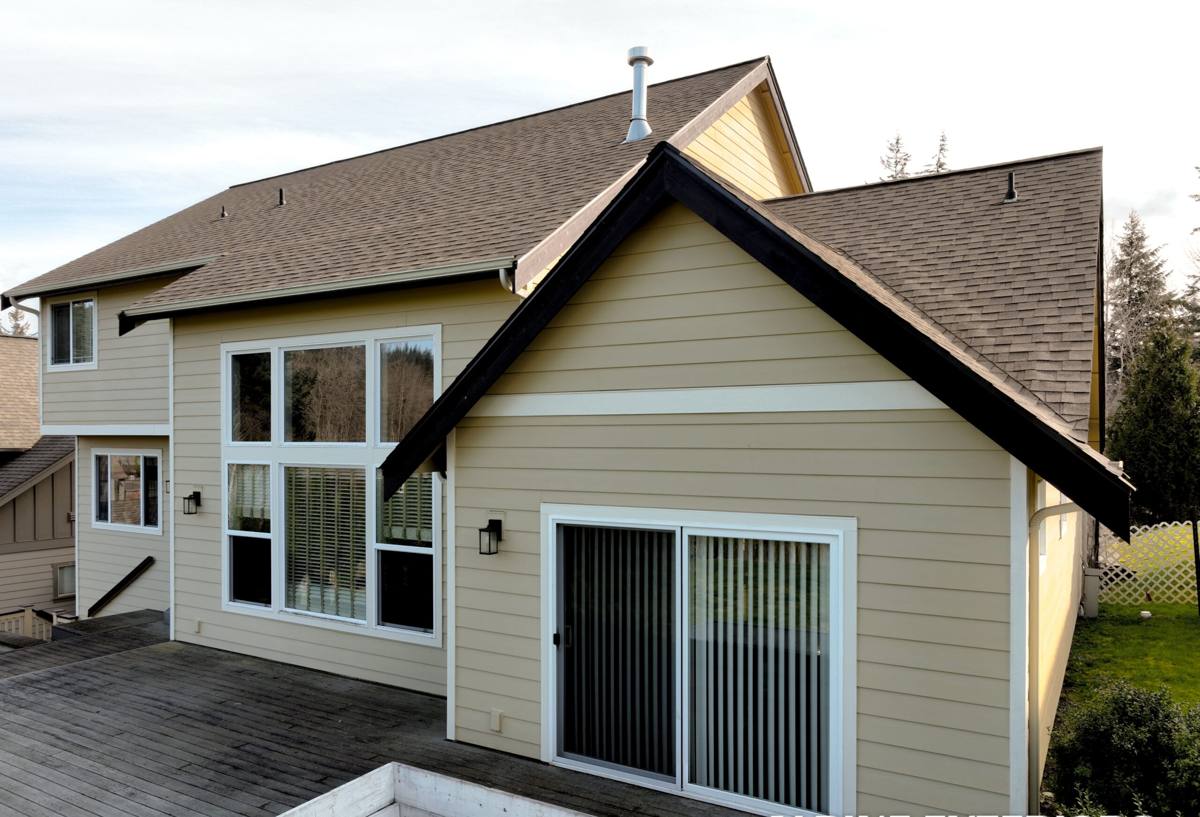
What "Custom" Actually Means for This Job
"Custom windows" gets used loosely in this industry, so it's worth being specific. For Palmer Ranch homes, custom typically means one or more of the following:
Non-standard openings
Many Palmer Ranch homes, especially those built in the 1990s and 2000s, have arched transoms, bay or bow configurations, or odd-sized openings that off-the-shelf window units simply don't fit. Custom fabrication is built to the actual rough opening rather than forcing a standard size into a space it wasn't made for.
Retrofit vs. new-construction framing
Retrofit (or "insert") windows fit inside your existing frame and are common on renovations where the surrounding stucco or wall finish stays intact. New-construction windows have a nailing flange and require removing the opening down to the rough framing — more disruptive, but sometimes the right call when the existing frame is compromised by water damage or age. Which approach fits your home depends on the condition of what's already there, not just preference.
Glass and performance specification
Custom also covers glass package: impact-rated laminated glass, tint or low-E coatings for heat rejection, and frame material chosen for how much direct sun and salt exposure a particular elevation of the house gets. A west-facing wall of glass doing battle with afternoon sun needs a different spec than a shaded north-facing opening.
Getting the Installation Right: What It Actually Involves
The window unit itself is only part of the job. Installation quality determines whether that window performs to its rating for the next 15-20 years or starts leaking within a few storm seasons. A correct installation for this climate includes:
- Accurate measurement of the rough opening, accounting for any settling or slight irregularity common in older stucco construction.
- Proper flashing and waterproofing at the sill and sides, sequenced so water sheds outward rather than getting trapped behind the frame.
- Correct fastening per the window's engineering — the anchoring schedule (spacing, fastener type, embedment) is what the wind rating is actually tested against, not just the glass.
- Sealant compatible with stucco and the frame material, applied in the right locations — not smeared everywhere as a catch-all.
- Permit and inspection, which for most Sarasota County window replacements is required by code, not optional paperwork.
Skipping or rushing any one of these is usually invisible on install day and shows up two or three years later as a leak, a soft spot in the surrounding wall, or a window that fails during the next significant wind event.
Comparing Common Window Options
There's no single "best" window for every Palmer Ranch home — the right choice depends on budget, the specific elevation's sun and wind exposure, and whether you're pairing windows with separate shutter protection or relying on the glass itself to meet wind-borne debris requirements.
| Option | Wind/Impact Performance | Maintenance | Cost Factor | Best For |
|---|---|---|---|---|
| Impact-rated (laminated glass) | Meets wind-borne debris code without separate shutters | Low — no shutters to deploy or store | Higher upfront | Homeowners who want set-and-forget storm protection |
| Non-impact + code shutters/panels | Meets code when shutters are properly deployed | Moderate — shutters need maintenance and deployment before storms | Lower window cost, added shutter cost | Budget-conscious owners willing to manage shutters |
| Vinyl frame | Good when properly reinforced for wind load | Low — won't corrode from salt air | Moderate | Most residential applications in this area |
| Aluminum frame | Strong, common in higher-end impact systems | Needs periodic hardware/finish attention near salt air | Moderate to higher | Larger openings, contemporary designs |
We'll walk through which combination fits your home's specific exposure and budget rather than pushing one option across every elevation of the house.
Palmer Ranch's Villages and HOA Considerations
Palmer Ranch is made up of numerous distinct villages and communities, many with their own HOA architectural guidelines covering window appearance — frame color, grid pattern, and sometimes glass tint. Before we finalize a custom order, we check what your specific community's design standards require so the windows you approve are the windows your HOA will approve too. This step gets skipped by contractors unfamiliar with the area and it's one of the most common causes of delayed projects here: a window arrives, gets installed, and then draws an HOA compliance letter because the grid pattern or frame color didn't match what was on file. Knowing to ask this question up front is part of what "local" should actually mean.
Our Process for a Palmer Ranch Custom Window Job
1. On-site assessment and measurement
We look at every opening individually — sun exposure, current frame condition, signs of past water intrusion — not just take one set of measurements and assume every window on the house is the same situation.
2. Straightforward proposal
You get a clear breakdown of window specification, glass package, and installation scope, with options explained in plain terms rather than upsold as a single "best" package.
3. Permitting
We handle the Sarasota County permit application and coordinate the required inspections so the job is documented and compliant — important both for code and for resale down the line.
4. Installation
Old windows come out, openings get inspected for hidden damage before anything new goes in, and the new units are set, flashed, and sealed to spec.
5. Final walkthrough and inspection sign-off
We confirm operation, seal quality, and cleanup with you directly before considering the job finished.
Signs Your Current Windows Need Attention
If your Palmer Ranch home has any of the following, it's worth a look before the next storm season rather than after:
- Fogging or haze between panes of double-glazed glass (a failed seal)
- Windows that stick, won't latch fully, or are hard to open and close
- Visible daylight or a noticeable draft around the frame
- Chalky residue, pitting, or corrosion on aluminum frames or hardware
- Water staining or soft drywall below a window sill after rain
- A noticeable jump in cooling costs with no other explanation
- Rattling or flexing frames during moderate wind
Why Local Experience in Palmer Ranch Matters
A crew that regularly works this neighborhood already knows the common frame conditions in homes of this area's typical construction era, has a working relationship with Sarasota County's permitting process, and isn't guessing at HOA expectations for the first time on your job. That translates into fewer surprises — no mid-project redesign because a grid pattern got rejected, no permit delays from paperwork errors, and an installation crew that has already solved the flashing and sealing details specific to this area's stucco and framing conventions many times over.
Caring for Your New Windows
Once installed, custom windows in this climate hold up best with a bit of regular attention: rinse frames and tracks periodically to clear salt residue, keep weep holes clear of debris so water can drain properly, and check hardware and seals during your annual storm-prep routine rather than waiting for a problem to show up. None of this is heavy maintenance — it's the difference between a window that performs for two decades and one that starts giving you trouble in five years.
If you're weighing custom window options for a Palmer Ranch home, we're glad to take a look and give you a straight assessment — no pressure, no inflated scope. Use the form below to request a free estimate and we'll go from there.