 Sarasota Siding
 Siding Replacement Built for Osprey's Coastal Conditions
Osprey sits along Little Sarasota Bay and the Intracoastal Waterway, sandwiched between the Gulf and US 41, with Casey Key's barrier island just offshore. That location is part of what makes the community desirable — and it's also exactly why siding here fails faster than it does thirty miles inland. Homes in Osprey take a steady diet of salt-laden air, wind-driven rain off the bay, and some of the most intense year-round UV exposure in the continental United States. Add in hurricane-force wind events that Sarasota County plans for every storm season, and you have a climate that actively works against whatever is bolted to your exterior walls.
We replace siding on Osprey homes as one piece of a broader Sarasota County service area, which matters more than it sounds like it should. A crew that only shows up once for a one-off job doesn't carry the same working knowledge of how this specific stretch of coastline treats a house over ten or twenty years. We do.
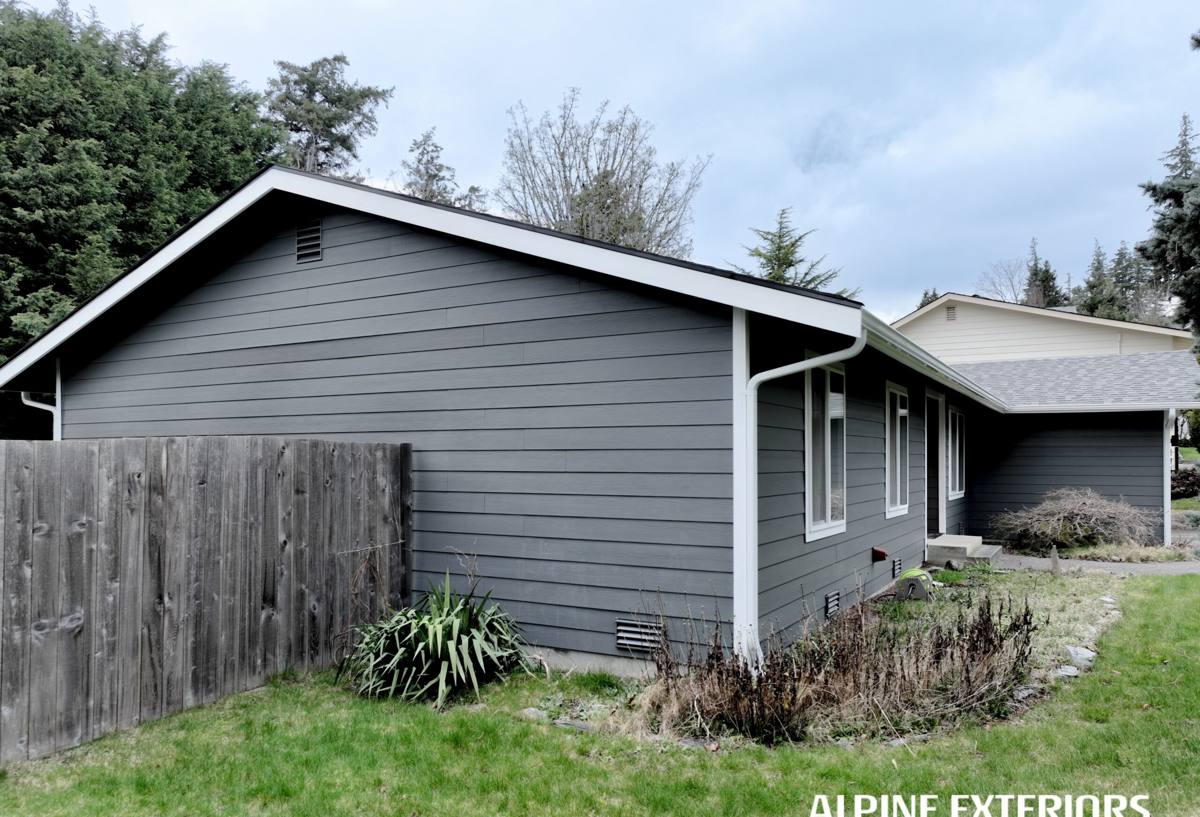
What Sarasota County's Climate Actually Does to Siding
Salt Air and Corrosion
Proximity to saltwater means airborne salt settles on exterior surfaces and fasteners year-round, not just after a storm surge. Over time, salt exposure accelerates corrosion in metal trim, fasteners, and any siding product with exposed metal components. It also degrades certain caulks and sealants faster than manufacturers' published lifespans assume, because those numbers are usually based on inland testing conditions.
UV Breakdown
Florida's UV index runs high nearly every month of the year. Painted and coated siding products absorb that energy as heat and light, and over years that translates into fading, chalking, and surface breakdown — especially on south- and west-facing walls that get direct afternoon sun. Products with factory-applied, baked-on finishes hold color dramatically longer than field-painted or job-site-primed alternatives.
Wind-Driven Rain and Moisture
Osprey's storms don't just drop rain straight down — wind pushes it sideways, forcing water into laps, seams, and fastener penetrations that a calm-weather installation might never test. Once moisture gets behind siding and can't dry out, the sheathing and framing underneath start to suffer long before anyone notices a problem on the surface.
Hurricane Wind Load
Sarasota County's building code accounts for the area's wind exposure, and siding installation has to meet that standard — correct fastener type, fastener spacing, and manufacturer-approved installation method, not just "however the last crew did it." Under-fastened or improperly lapped siding is one of the first things to fail in a high-wind event, and it's rarely obvious from the ground until it's already happened.
Signs an Osprey Home Needs Siding Replacement, Not Another Repair
- Soft or spongy spots when you press on the siding, especially near the bottom courses or around window and door trim
- Visible warping, buckling, or gaps between panels that weren't there a few years ago
- Paint that won't hold anymore, even after a fresh coat — a sign moisture is moving through the material itself
- A musty smell near exterior walls, or interior drywall staining that lines up with an exterior wall
- Visible corrosion streaking from fasteners or trim, common on homes closer to the bay or Intracoastal
- Siding that's original to a home built more than 20-25 years ago, particularly wood-based or older composite products
Repairs make sense for isolated, recent damage. Once deterioration shows up in multiple places, or the underlying material has been absorbing moisture for years, patching individual boards just delays a full replacement while spending money that won't count toward it.
What a Correct Siding Replacement Involves
A siding replacement is only as good as what happens before the new siding goes up. Skipping steps here is the single biggest reason siding jobs fail early in a climate like Sarasota County's.
Full Tear-Off and Inspection
We remove the old siding down to the sheathing so we can actually see what's underneath — not just what's convenient to see. Any water-damaged sheathing or framing gets addressed before anything new goes on. Covering up hidden rot with new siding just hides the problem for a few more years.
Weather-Resistant Barrier
A properly installed moisture barrier gives your home a second line of defense behind the siding itself. In a wind-driven-rain climate, this layer matters as much as the siding on top of it.
Flashing at Every Penetration
Windows, doors, hose bibs, vents, and anywhere else something interrupts the wall plane needs correct flashing so water is directed out and away rather than trapped behind the siding.
Manufacturer-Specified Fastening
Fastener type, length, and spacing aren't optional details — they're what siding manufacturers base their wind ratings and warranties on. We install to those specifications, not to whatever's fastest.
Finish and Trim Detail
Corners, trim boards, and caulk joints are where a lot of siding jobs show their age first. Getting these details right the first time is what keeps a home looking finished for years instead of needing touch-up work within a season or two.
Why We Install James Hardie Fiber Cement — And Nothing Else
We don't install vinyl, LP SmartSide, or other engineered wood products, and that's a deliberate standard, not a limitation of what we're capable of doing. In a climate like Osprey's, the trade-offs of those products show up faster and cost homeowners more over time than the up-front savings are worth.
Vinyl siding can soften, warp, or become brittle under sustained high heat and UV, and it has real limits on wind resistance compared to fiber cement — a genuine concern this close to the water. Engineered wood products, even good ones, rely on their outer coating staying intact to keep moisture out; once that coating is compromised, the wood-based core underneath is vulnerable in a way fiber cement simply isn't.
James Hardie fiber cement is non-combustible, dimensionally stable in heat and humidity, and resists moisture intrusion far better than wood-based alternatives. Hardie's HZ5 product line is specifically engineered for high-humidity, high-moisture climate zones — which is exactly the zone Sarasota County falls into. The ColorPlus factory finish is baked on and warranted against fading and peeling, which matters enormously given the UV load this area sees every year. It's also backed by a strong transferable warranty, which protects the investment for whoever owns the home next, not just the person who paid for the job.
Cost Factors for Osprey Siding Replacement
| Factor | Why It Matters | Typical Impact |
|---|---|---|
| Home size and number of stories | More square footage and higher walls mean more material, labor, and equipment time | High |
| Condition of existing sheathing | Water-damaged sheathing found during tear-off needs repair before new siding goes on | Variable — depends on what tear-off reveals |
| Trim and architectural detail | Multiple gables, dormers, or decorative trim take more time to fit and finish correctly | Medium to High |
| Siding profile and accessories | Board-and-batten, shake-style accents, or trim upgrades add material cost over a standard lap profile | Medium |
| Proximity to water | Homes closer to the bay or Intracoastal may warrant additional corrosion-resistant fastener upgrades | Low to Medium |
| Access and site conditions | Tight lots, landscaping, or limited staging space can affect labor time | Low to Medium |
We walk every home in person before giving a number — siding pricing that's accurate without an on-site look isn't really pricing, it's a guess.
Our Process for an Osprey Job
- On-site assessment — we inspect the current siding, sheathing condition where visible, and any problem areas you've noticed
- Written scope and estimate — a clear breakdown of what's included, the Hardie product and color selected, and the timeline
- Permitting — we handle the Sarasota County permit process for the job so it's inspected and documented correctly
- Tear-off and prep — full removal of old siding, sheathing repair if needed, and installation of the weather-resistant barrier
- Hardie installation — installed to manufacturer fastening specs suited to this area's wind exposure
- Final walkthrough — we go over the finished job with you before calling it done
Why a Crew That Already Works Osprey Matters
Siding installation isn't one-size-fits-all across Florida, let alone across the country. A crew that regularly works Sarasota County homes already understands the county's permitting process, the wind-exposure requirements specific to this coastline, and how salt air and humidity actually behave on a house near the water versus one further inland. That's knowledge you can't fully get from a manufacturer's install manual alone — it comes from doing the work here, repeatedly, and seeing how different details hold up over years in this specific climate.
It also means faster response if something needs attention after the job is done. A contractor with an established local presence in the Sarasota area isn't a stranger driving in from three counties away.
What to Ask Before Hiring Any Siding Contractor in Osprey
- Are you licensed to work in Sarasota County, and can you provide proof of insurance?
- Will you pull the required permit, or is that left to me?
- What siding product and fastening spec do you install, and is it rated for this area's wind exposure?
- Do you remove the old siding down to the sheathing, or install over it?
- What does the manufacturer's warranty actually cover, and is it transferable if I sell the home?
- Can you provide a written, itemized estimate before work begins?
Get a Free Estimate for Your Osprey Home
If your siding is showing its age, or you just want an honest read on whether repair or replacement makes more sense for your situation, we're happy to take a look. Estimates are free, there's no pressure to commit on the spot, and you'll get a clear, written scope of what the job actually involves before you decide anything. Use the form below to get started.