 Sarasota Siding
 Composite Decking Built for Nokomis' Coastal Conditions
Nokomis sits along the Gulf side of Sarasota County, close enough to the water that salt air, humidity, and storm exposure are part of daily life for every homeowner here — not occasional weather events. A deck built for an inland climate doesn't hold up the same way a few miles from the coast. We install composite decking specifically with this environment in mind: boards, fasteners, and substructures chosen to handle what a Nokomis backyard or waterside patio actually deals with year-round.
This page covers what composite decking installation looks like when it's done correctly for this area, what it should cost, and why the details matter more here than they would somewhere without salt air and hurricane exposure to contend with.
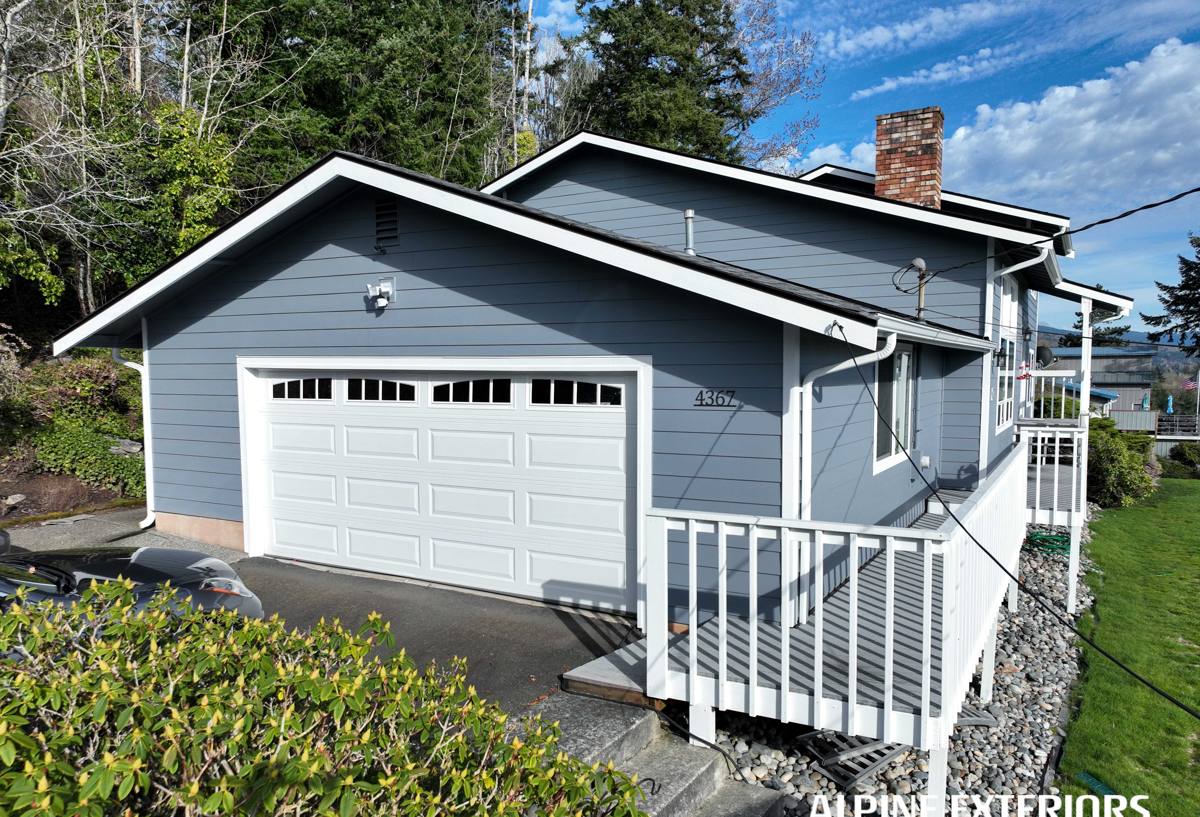
What Sarasota County's Climate Does to an Outdoor Deck
Four things drive almost every decking failure and headache we see in this part of Florida:
Salt Air and Corrosion
Even homes that aren't directly waterfront get salt-laden air blowing in off the Gulf. Salt accelerates corrosion in any exposed metal — screws, joist hangers, structural brackets — and it can pit or discolor fasteners that would last decades further inland. Composite decking boards themselves don't rust, but a deck is only as good as what's holding it together underneath.
Year-Round UV Exposure
Florida sun doesn't take a break in winter. Constant UV breaks down cheap plastics and unprotected wood fibers, leading to fading, chalking, and surface degradation. This is one of the main reasons composite has become the default choice for homeowners who are tired of refinishing wood decks every year or two.
Wind-Driven Rain and Moisture Cycling
Sarasota County gets intense, often sideways rain during storm season. Decking materials that absorb water and then dry out repeatedly are prone to swelling, cupping, and rot at the core. Composite boards handle this cycling far better than untreated wood, but installation details — spacing, ventilation, drainage — still matter enormously.
Hurricane-Force Wind Loads
Nokomis is squarely in the path of tropical storm and hurricane activity most years. A deck's structure — the framing, the ledger connection to the house, the fastening pattern — needs to be built to the wind loads Sarasota County code requires, not just to hold up a grill and some patio furniture on a calm day.
What a Correctly Installed Composite Deck Actually Involves
The decking boards get most of the attention, but the substructure underneath is where a coastal deck earns its lifespan. A proper installation in this area includes:
- Pressure-treated or coastal-rated framing lumber, sized and spaced to local code and manufacturer specs — composite boards typically need tighter joist spacing than wood, especially at angles or on stairs
- Corrosion-resistant, coated or stainless fasteners and structural hardware throughout — standard hot-dip galvanized isn't always enough this close to salt air
- A code-compliant ledger board connection where the deck meets the house, properly flashed to keep wind-driven rain from working behind the siding
- Hidden fastener clip systems or approved face-screwing, installed with the manufacturer-specified gap for thermal expansion — composite moves more with heat than wood does
- Adequate ventilation and drainage underneath the deck so moisture doesn't sit and cycle against the framing
- Proper footing depth and spacing engineered for both the vertical load and the uplift forces that come with high wind events
Skipping any of these doesn't show up on day one. It shows up two or three years later as squeaking boards, corroded hardware stains bleeding through the decking, or a deck that fails inspection when the house is sold.
Composite vs. Other Decking Materials for This Climate
| Material | UV/Fade Resistance | Moisture Behavior | Maintenance |
|---|---|---|---|
| Capped composite | Strong — cap layer resists fading and staining | Doesn't absorb water or rot; stable through wet/dry cycles | Occasional soap-and-water cleaning |
| Pressure-treated wood | Fades and grays without regular finishing | Absorbs moisture; prone to cupping, splintering, rot over time | Annual sealing/staining recommended |
| Uncapped/older composite | Moderate — can fade or chalk over years | Better than wood but more surface-sensitive than capped boards | Periodic cleaning; more care near standing water |
| PVC decking | Very strong, fully synthetic | Doesn't absorb moisture at all | Low; can run hotter underfoot in direct sun |
We install capped composite as our standard recommendation for Nokomis properties because it holds color and structural integrity through salt exposure and sun without the upkeep wood demands. We're glad to walk through PVC as an option too, depending on your budget and how the deck is used.
Our Process for a Nokomis Composite Deck Project
1. On-Site Evaluation
We look at sun exposure, drainage, proximity to water, existing structure (if replacing a deck), and how the space connects to your home before recommending a board type or layout.
2. Design and Permitting
Decks in Sarasota County require permitting, and coastal or flood-zone properties can have additional setback or elevation considerations. We handle the permit process and design the structure to meet current wind-load requirements for this area.
3. Structural Build
Framing, ledger connection, footings, and fastener selection are all handled with coastal exposure in mind — not a generic inland spec.
4. Board Installation
Composite boards are installed with correct spacing, hidden or approved fastening, and attention to expansion gaps so the deck stays flat and quiet for years.
5. Final Walkthrough and Inspection
We review the finished deck with you and make sure it passes any required county inspection before we consider the job done.
What Affects the Cost of a Composite Deck in Nokomis
| Factor | Why It Matters |
|---|---|
| Board tier (capped vs. entry-level composite vs. PVC) | Higher-tier capped boards cost more upfront but resist salt and UV damage longer |
| Deck size and shape | Cutouts, angles, and multi-level designs add labor and material waste |
| Substructure condition | Replacing rotted or storm-damaged framing adds cost but is not optional for safety |
| Height and railing requirements | Elevated decks and code-required railing systems add both material and labor |
| Fastener and hardware grade | Coastal-rated corrosion-resistant hardware costs more than standard grade but prevents early failure |
| Permitting and inspection | Required for most deck work in Sarasota County; adds a modest, predictable cost |
We give straightforward, itemized estimates so you can see exactly where the money goes rather than a single lump number.
Maintaining a Composite Deck in a Salt Air Environment
Composite decking is low-maintenance compared to wood, but "low-maintenance" isn't "no-maintenance," especially this close to the Gulf. A few habits go a long way:
- Rinse the deck periodically to clear salt residue and airborne debris before it builds up in the board grain
- Clean spills and organic debris (leaves, pollen) promptly to prevent surface staining or mildew
- Check railings, stairs, and fastener points once or twice a year, especially after major storms
- Keep gutters and downspouts near the deck clear so water isn't dumping directly onto or under it
- Have the structure inspected after any significant hurricane or tropical storm event, even if the surface looks fine
Signs Your Existing Deck Needs Attention
- Soft, spongy, or bouncy spots when you walk across the deck
- Visible rust bleeding or staining around fasteners
- Boards that have cupped, warped, or separated at the seams
- Railings or posts that wiggle more than they used to
- A ledger board area showing gaps, staining, or soft wood where the deck meets the house
- A deck that predates current wind-load codes and has never been evaluated against them
If any of these sound familiar, it's worth having someone look at the structure before it becomes a safety issue rather than just a cosmetic one.
Why It Matters to Hire a Crew That Already Works in Nokomis
Composite decking installation isn't unique to the coast, but building one that lasts here requires understanding how Sarasota County's permitting works, what wind-load and coastal construction standards apply, and how salt air and storm exposure change material and hardware choices. A crew that regularly works this part of Florida already knows these details going in, rather than treating your project as a first attempt at coastal-specific work. We're licensed and insured to do this work in Sarasota County, and we build every deck to hold up to the conditions Nokomis actually sees — not just fair-weather use.
If you're considering a new composite deck or need an honest look at an existing one, we offer free, no-pressure estimates. Fill out the form below and we'll schedule a time to take a look and walk you through your options.