 Sarasota Siding
 Building Decks for Downtown Sarasota's Specific Conditions
A deck built two hours inland doesn't face what a deck built in Downtown Sarasota faces. Homes here sit close to the bay, close to the coast, and squarely in the path of Gulf storms. That combination of salt air, intense sun, and hurricane-force wind events means a deck that looks fine on day one can start failing within a few seasons if it wasn't built with this specific environment in mind. We work on homes throughout Sarasota County, and the decks we build downtown get detailed differently than decks we build further from the water, because they have to.
This page covers what we actually do when we build a deck for a Downtown Sarasota home: the material choices that hold up, the structural details that matter in a high-wind coastal zone, and the parts of the process that homeowners rarely think about until something goes wrong. If you're weighing a new deck or replacing a tired one, this is the honest version of what's involved.
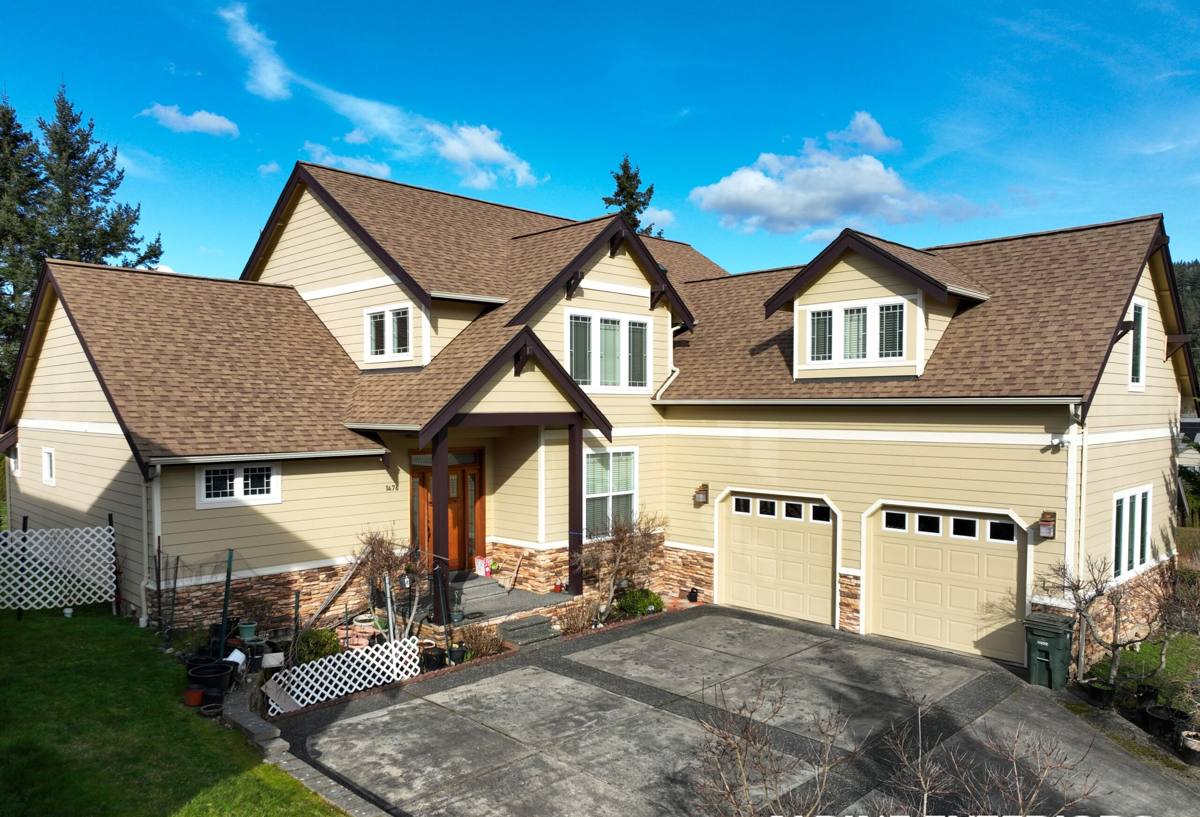
What Downtown Sarasota's Climate Does to an Ordinary Deck
Sarasota's climate is beautiful to live in and hard on outdoor structures. A few specific stressors matter most for deck longevity here:
- Hurricane-force wind events: Uplift and lateral loads on an exposed deck structure can loosen ledger connections, rack railings, and pull poorly-fastened boards free if the frame wasn't engineered for it.
- Year-round intense UV: Florida sun is relentless on horizontal surfaces. Wood fibers break down, finishes chalk and fade, and some composite products discolor unevenly if they weren't rated for this level of sun exposure.
- Wind-driven rain: Storms here don't just fall straight down — rain gets driven sideways into ledger connections, fastener heads, and end-grain cuts, which is where rot and corrosion actually start.
- Salt air: Even blocks away from open water, airborne salt accelerates corrosion on fasteners, connectors, and railing hardware. This is the single most underestimated factor in coastal deck failures.
None of this means a deck can't hold up in Downtown Sarasota — it means the build has to account for these forces from the footings up, not just at the surface.
What a Correctly Built Deck Actually Requires Here
Ledger Attachment and Structural Framing
The ledger board — where the deck attaches to the house — is the single most common point of catastrophic failure in decks nationally, and it's even less forgiving in a high-wind coastal zone. A correct ledger attachment uses proper lag or through-bolt fastening into structural framing (never just into siding or sheathing), flashed correctly to keep wind-driven rain from tracking behind it. We don't attach ledgers to houses without confirming what's actually behind the exterior wall.
Footings Sized for Wind Uplift, Not Just Weight
A lot of deck failures in wind events aren't the decking blowing off — they're the whole structure racking or lifting because the footings and post connections were only ever sized for the weight of people standing on it, not the uplift forces a coastal wind event puts on a large horizontal surface. Footing depth, post-to-beam connectors, and joist hangers all get sized with Sarasota's wind exposure in mind.
Fastener and Hardware Grade
Standard galvanized fasteners corrode faster near the coast than most homeowners expect, and a corroded fastener holding a joist hanger or railing post is a safety issue, not just a cosmetic one. We use stainless steel or coastal-rated fasteners and connectors on the structural elements that matter most, especially anywhere hardware is exposed to weather or in contact with treated lumber, which accelerates corrosion in ordinary fasteners.
Choosing a Decking Material for This Environment
There isn't one "best" decking material — there's a best material for your budget, your maintenance appetite, and how much direct sun and salt exposure your specific lot gets. Here's how the common options actually compare for a Downtown Sarasota deck:
| Material | Sun/UV Behavior | Salt Air Durability | Maintenance | Relative Cost |
|---|---|---|---|---|
| Pressure-treated pine | Fades and can check/splinter without regular sealing | Moderate — fasteners are the weak point | Annual cleaning and resealing | Lowest |
| Tropical hardwood (e.g. ipe) | Very durable, will gray without maintenance | Excellent when properly fastened | Periodic oiling to maintain color | Highest |
| Capped composite | Fade-resistant, holds color well | Excellent, doesn't corrode or rot | Occasional washing | Mid-to-high |
| PVC decking | Very fade-resistant | Excellent, fully inert to salt | Lowest of all options | Mid-to-high |
We won't push a homeowner toward the most expensive option by default — for a lot of Downtown Sarasota homes, a well-installed composite or PVC deck makes the most sense simply because it removes the sealing and refinishing cycle that coastal sun and salt make more frequent than inland homes need. For homeowners who want the look and feel of real wood and are willing to maintain it, a properly fastened hardwood deck holds up very well here too. Standard pressure-treated pine is a legitimate lower-cost option, but it requires the most ongoing upkeep of the group in this climate.
Permitting, Wind Load, and Downtown Lot Realities
Sarasota County and the City of Sarasota both require permits for new deck construction and most significant deck rebuilds, and the structural review process here accounts for Florida Building Code wind load requirements — this isn't optional paperwork, it's what keeps a deck standing through the next major storm. Downtown Sarasota adds a few wrinkles that a contractor unfamiliar with the area can miss:
- Smaller, tighter lots: Downtown properties often have less setback room than suburban lots, which affects deck size, footing placement, and access for equipment during construction.
- Mature landscaping and tree protection: Established trees near a build site may fall under local tree protection rules that affect where footings and framing can go.
- HOA and condo association review: Many Downtown Sarasota properties, especially townhomes and attached units, require association approval before permits are even submitted.
- Flood zone and elevation considerations: Proximity to the bay means some downtown parcels fall into flood zones that affect how a deck's structure and footings are engineered.
We handle the permit submission and coordinate with the county or city review process as part of the job — a homeowner shouldn't have to be the one chasing down approvals for their own project.
How Our Process Works
- Site visit and assessment: We look at the actual lot — sun exposure, drainage, proximity to salt water, existing structure if it's a rebuild — before recommending anything.
- Design and material selection: We walk through material trade-offs honestly, based on your budget and how much maintenance you actually want to do.
- Permitting: We prepare and submit the required drawings and structural details to the applicable jurisdiction and handle any HOA documentation needed.
- Construction: Footings, framing, ledger attachment, decking, and railing are built in sequence with inspections at the required stages.
- Final walkthrough: We go over the finished deck together, including what maintenance (if any) the chosen material needs going forward.
Railings, Stairs, and the Details That Get Overlooked
Railings and guards aren't just a design choice — Florida Building Code sets specific height and baluster spacing requirements, and those requirements get enforced during inspection. Beyond code compliance, railing hardware is one of the first places salt air corrosion shows up, since it's fully exposed and handled constantly. We spec railing connectors and fasteners the same way we spec structural hardware: rated for coastal exposure, not just whatever comes standard with a railing kit. Stair stringers and any structural post facing direct weather get the same treatment.
What to Expect for Maintenance After the Build
Every decking material has a real maintenance schedule in this climate — the question is just how much and how often. Here's a general guide for what ongoing care looks like once your deck is built:
| Task | Wood Decking | Composite/PVC Decking |
|---|---|---|
| Surface cleaning | 2-3 times per year | 1-2 times per year |
| Sealing/oiling | Annually or as color fades | Not required |
| Hardware inspection | Annually, especially after storm season | Annually, especially after storm season |
| Fastener/connector check | Annually | Annually |
Whatever material you choose, we'd recommend at minimum an annual look at fasteners, railing posts, and the ledger connection after Sarasota's storm season — catching a loosening connection early is a lot cheaper than repairing storm damage after the fact.
A Quick Checklist for What a Correct Deck Build Includes
- Ledger properly bolted into structural framing and flashed against wind-driven rain
- Footings and post connections sized for coastal wind uplift, not just static load
- Stainless steel or coastal-rated fasteners and hardware throughout
- Decking material chosen with your actual sun exposure and maintenance preference in mind
- Railings and stairs built to Florida Building Code height and spacing requirements
- Permits pulled and inspections completed at each required stage
- HOA or condo association approval handled before construction begins, where applicable
Why It Matters to Hire a Crew That Already Works Downtown Sarasota
A deck built to a generic national spec can still fail here faster than it should, simply because it wasn't built for what Sarasota County actually throws at it. A crew that regularly works Downtown Sarasota already knows the local permitting process, has a working relationship with the inspectors who review the work, understands how tight downtown lots affect access and staging, and has seen firsthand what standard-grade fasteners and finishes do after a few seasons of salt air and summer storms. That local experience shows up in the small decisions — which hardware grade to use, how deep footings need to go on a given soil type, how to sequence work around a small lot — that a generic approach tends to miss.
If you're considering a new deck or need to replace one that's showing its age, we're happy to take a look and put together a straightforward, no-pressure estimate. Use the form below to request a free estimate for your Downtown Sarasota property.