 Sarasota Siding
 Roof Repair Built for Downtown Sarasota's Climate
Downtown Sarasota sits close to the water, which means roofs here take a beating from more than just age. Hurricane-force wind gusts during tropical storms and hurricanes, near-constant UV exposure, wind-driven rain that finds every weak seam, and salt air that accelerates corrosion on fasteners and flashing all combine to shorten a roof's working life compared to inland properties. A repair that ignores any one of those factors tends to fail again within a season or two. Ours don't, because we've built our process around what actually happens to roofs in this specific part of Sarasota County.
This page covers roof repair as its own service — not a full replacement — for homes and low-rise buildings in and around Downtown Sarasota. If your roof has isolated damage, active leaks, or wear that hasn't yet compromised the whole system, repair is usually the right call, and doing it correctly the first time matters more here than almost anywhere else in the county.
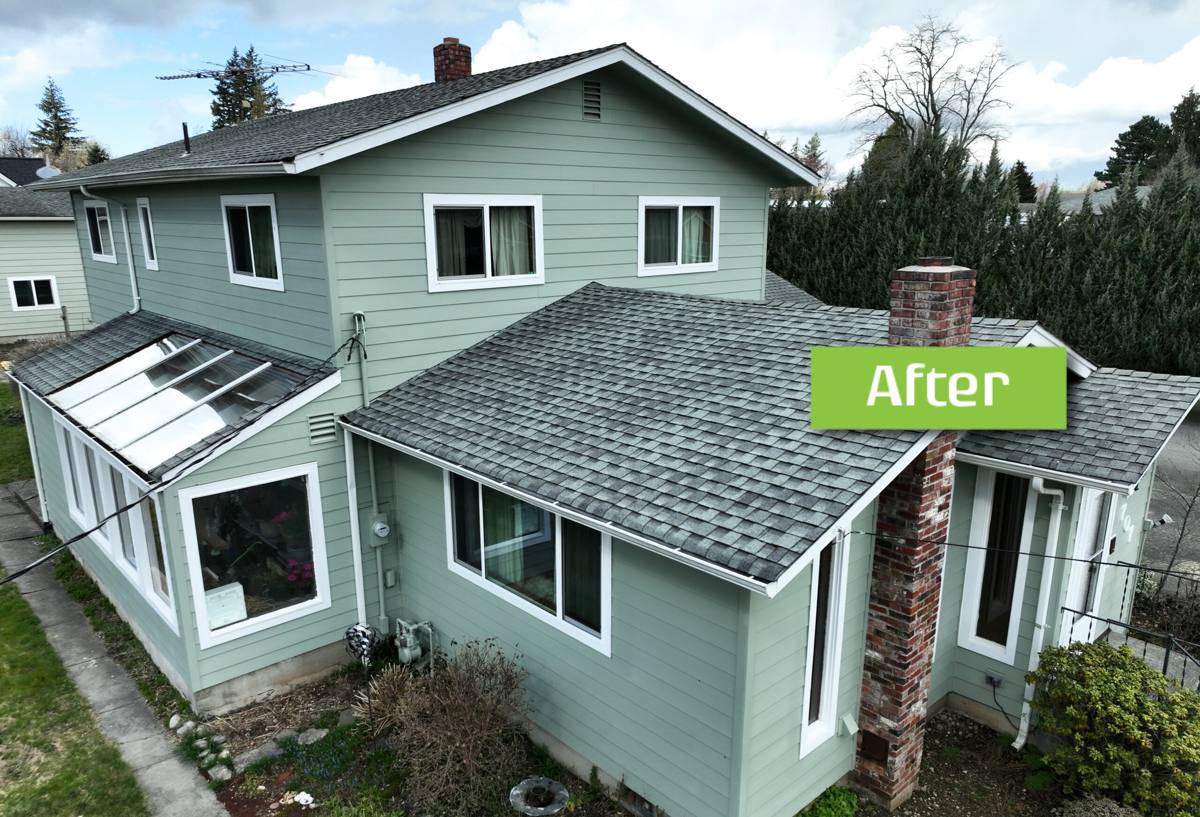
What Downtown Sarasota Roofs Are Up Against
Wind and Storm Exposure
Proximity to the coast means roofs here regularly experience higher sustained winds and gust loading than properties further inland, even during storms that aren't officially hurricanes. Wind doesn't just rip off loose shingles or tiles — it gets underneath edges and ridges, working fasteners loose over repeated cycles until a section finally lets go during the next real event. A lot of the emergency calls we get downtown trace back to a spot that was already compromised months before the storm that finally exposed it.
UV and Heat Cycling
Florida sun breaks down roofing materials faster than most homeowners expect. Asphalt shingles lose their granules and become brittle; underlayment dries out and cracks; sealants around penetrations (vents, pipe boots, skylights) shrink and pull away from the surfaces they're bonded to. This happens year-round here, not just in summer, and it's a steady background stress that eventually turns small gaps into active leak paths.
Wind-Driven Rain
Rain that comes in sideways behaves very differently than rain falling straight down. It gets pushed up under shingle tabs, tile laps, and flashing edges that were never designed to shed water from that angle. A roof can look fine from the ground and still be taking on water at every seam during a wind-driven storm — this is one of the most common reasons a homeowner discovers a leak with no visible exterior damage.
Salt Air Corrosion
Being close to Sarasota Bay and the Gulf means airborne salt settles on roofing components continuously. Exposed metal fasteners, flashing, and drip edge corrode faster here than they would inland, and corroded fasteners lose their grip on the roof deck long before they look obviously rusted through. We factor salt exposure into every material and fastener choice we make on a downtown repair.
Signs You Need Roof Repair, Not a Full Redo
- A ceiling stain that appears after a storm but hasn't spread since
- One or two visibly lifted, cracked, or missing shingles or tiles
- Soft or discolored areas around a single vent, chimney, or skylight
- Granule buildup in gutters concentrated in one area rather than roof-wide
- A flashing seam that's visibly separated but the surrounding roof field is intact
- Minor storm debris impact damage with no widespread wear elsewhere
If the damage is contained and the rest of the roof still has useful life left, repair is the honest recommendation. We'll tell you plainly if what you're describing sounds more like the roof is past the point where repair makes financial sense — that's not a call we make lightly, because a repair that's mismatched to the actual condition of the roof just costs you twice.
What a Correct Repair Actually Involves
A roof repair done right isn't just patching the spot you can see. Water travels before it shows up as a stain, so the visible damage and the actual entry point are often several feet apart. Our process on downtown repairs looks like this:
- Full diagnosis, not just the reported spot. We inspect the roof section in question and trace the leak path back to its actual source, checking flashing, penetrations, and laps in the surrounding area.
- Deck inspection where damage suggests it. If there's been sustained water intrusion, we check the roof deck underneath for soft spots or rot before closing anything back up — covering over a compromised deck just hides the problem.
- Matching materials and fastening for wind resistance. Repairs get tied into the surrounding roof properly, with fastener patterns and sealant choices that account for the wind exposure this area sees.
- Flashing and penetration detail work. Most leaks originate at transitions — chimneys, vents, walls, skylights — not in the open field of the roof, so this is where we spend the extra attention.
- Verification before we call it done. We check our own work rather than assuming a patch holds; a repair that looks finished from the ground isn't the same as one that's actually sealed correctly.
Repair vs. Replacement: How to Tell Which You Need
| Factor | Points Toward Repair | Points Toward Replacement |
|---|---|---|
| Extent of damage | Localized to one area or system | Widespread across multiple sections |
| Roof age | Well within expected service life | At or beyond typical lifespan for the material |
| Deck condition | Solid, no rot found on inspection | Soft spots or rot present in multiple areas |
| Leak history | First occurrence or isolated incident | Recurring leaks in different spots over time |
| Storm damage pattern | Contained to a specific impact zone | Uplift or damage across the whole roof plane |
| Underlying materials | Underlayment and flashing still intact elsewhere | Underlayment brittle or failing broadly |
We walk every downtown job through this honestly before recommending anything. If a repair genuinely solves your problem, that's what we'll propose and price — we don't upsell a full roof when a targeted fix will hold.
Why Insurance and Documentation Matter Here
Storm-related roof damage in Sarasota County is often eligible for insurance coverage, but only if it's documented properly. We photograph and record the damage condition before starting work, which gives you something concrete if you need to file or support a claim. We're not a public adjuster and we won't promise a claim outcome, but we make sure the repair itself is documented well enough that you're not scrambling for evidence after the fact.
Why a Crew That Already Works Downtown Matters
Downtown Sarasota has a mix of roof types and structures — older bungalows, updated single-family homes, and low-rise condo and multi-unit buildings — often with tighter lot access, shared walls, or HOA requirements that don't come up the same way in a typical suburban repair. A crew that works this specific area regularly already knows how to navigate parking and access constraints, coordinate with property managers or associations when needed, and recognize the material and construction patterns common to this part of the county. That familiarity translates into fewer surprises and a faster, cleaner job than a crew seeing the neighborhood for the first time.
We also know how quickly wind and salt exposure move damage from "minor" to "urgent" here, which is why we prioritize getting a real inspection scheduled fast rather than letting a small leak sit on a calendar for weeks.
What to Expect From Our Repair Process
- A scheduled inspection where we look at the actual roof, not just take your description at face value
- A clear, written explanation of what's causing the damage and what fixing it involves
- An honest repair-vs-replace recommendation with the reasoning behind it
- A defined scope and timeline before any work starts
- Cleanup and a final check so nothing is left half-finished
Costs for roof repair vary a lot depending on the extent of damage, the roofing material involved, and whether deck repair is needed underneath — there's no honest flat number we can quote without seeing the roof. What we can tell you is that a properly diagnosed and executed repair almost always costs less than a repair that gets redone a year later because the underlying cause was never addressed.
Ready When You Are
If you're dealing with a leak, storm damage, or a roof section that's showing wear, we're happy to come take a look. The estimate is free, there's no pressure to move forward, and you'll get a straight answer about what's actually going on with your roof. Fill out the form below and we'll get an inspection scheduled.