 Sarasota Siding
 Downtown Sarasota's Climate Doesn't Leave Much Room for Error
Downtown Sarasota sits close enough to the bay that salt air is a daily fact of life, not an occasional coastal breeze. Combine that with Gulf Coast humidity, intense year-round UV exposure, and the wind-driven rain and hurricane-force gusts that come through Sarasota County during storm season, and you have a set of conditions that will find every weakness in a home's exterior. Siding here isn't just a cosmetic choice. It's the layer standing between your walls and a climate that never really lets up.
Homeowners who've lived downtown for any length of time have usually already seen what this climate does to the wrong materials: fading and chalking from UV, swelling and rot from trapped moisture, and fastener corrosion from salt in the air. The siding you choose, and how it's installed, determines whether your home ages gracefully or turns into a repeat maintenance project.
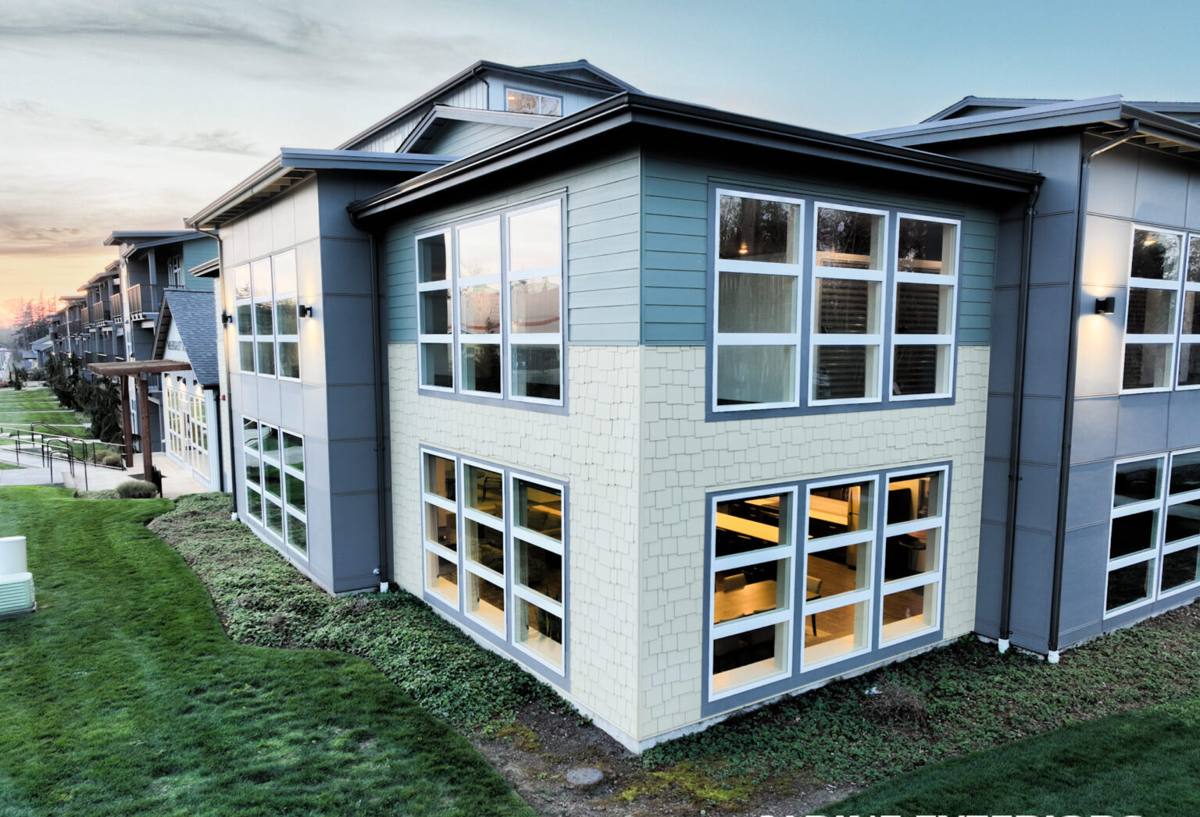
The Downtown Sarasota Housing Mix Changes the Calculation
Downtown Sarasota isn't one uniform housing stock. It's a blend of older bungalows and mid-century homes, condos and townhomes, and newer infill construction going up on smaller lots. That mix matters for siding decisions in a few practical ways:
Mature Tree Canopy and Shaded Lots
Many of the older residential blocks downtown have significant tree cover. Shade sounds like a benefit in Florida, and for cooling it is, but for siding it means walls stay damp longer after rain and get less direct sun to dry out. That's a recipe for mildew and algae growth on materials that aren't engineered to resist moisture.
Architectural Variety
Bungalow-style homes, mid-century ranches, and contemporary infill builds all call for different siding profiles to look right — traditional lap siding, shingle-style accents, or clean board-and-batten lines. A one-size-fits-all siding product doesn't serve this neighborhood well; the material needs to be available in the right profiles to match the house it's going on.
Proximity to the Bay
The closer a home sits to open water, the more aggressively salt air attacks fasteners, flashing, and any siding material with poor corrosion resistance. Downtown Sarasota properties near the waterfront feel this more than homes further inland.
Why We Only Install James Hardie Fiber Cement
We don't install LP SmartSide, vinyl, Cemplank, Allura, primed spruce, or cedar. That's a deliberate standard, not a lack of options. Every one of those alternatives asks a Downtown Sarasota homeowner to accept a trade-off we don't think makes sense in this climate — vinyl that warps and fades under constant UV and can't stand up to wind-driven debris, wood-based products that need vigilant upkeep to resist rot in a humid, shaded environment, and engineered wood siding that depends heavily on flawless field sealing to avoid moisture problems at the edges.
James Hardie fiber cement is non-combustible, dimensionally stable, and doesn't feed mold or wood-boring insects the way organic materials can. Hardie's ColorPlus factory-applied finish is baked on under controlled conditions, giving it far better fade and chip resistance than field-applied paint — which matters enormously under Sarasota's year-round sun. And Hardie engineers specific product lines for different climate zones; the HZ5 formulation used in hot, humid, high-moisture regions like ours is built specifically to resist the freeze-thaw isn't the issue here, but moisture and humidity absolutely are, and that's exactly what HZ5 is designed around.
None of this means other products are worthless. It means that for a coastal Gulf climate with this much sun, humidity, and storm exposure, the trade-offs of the alternatives outweigh their upfront cost savings, and we'd rather stand behind one product system we trust completely than offer several and hope the cheaper ones hold up.
What a Correct Installation Actually Involves
Fiber cement siding performs exactly as well as its installation. A quality product installed poorly will still fail early, and in Downtown Sarasota's climate, the failure points are predictable if the crew doesn't account for them.
Fastener Selection
Salt air corrodes standard fasteners over time, leading to streaking, loosening boards, and eventual water entry points. Corrosion-resistant fasteners rated for coastal use are non-negotiable here, not an upgrade option.
Moisture Barrier and Flashing
Wind-driven rain doesn't just fall on siding, it gets forced sideways and upward at seams, windows, and penetrations. Correct house wrap, properly lapped flashing at every window, door, and roofline transition, and correct drainage planes behind the siding are what actually keep water out — the siding itself is only one part of the system.
Proper Clearances and Gaps
Hardie specifies minimum clearances from grade, roof lines, and other flatwork, along with expansion gaps at butt joints and trim. Skipping these is one of the most common causes of moisture wicking and premature paint or caulk failure, and it's also one of the easiest things for an inexperienced crew to get wrong because the siding looks fine on install day.
Wind-Rated Fastening Patterns
Given the hurricane-force wind exposure Sarasota County sees, fastening schedules need to meet the wind-load requirements for the home's specific exposure category, not just a generic nailing pattern.
Choosing the Right Hardie Product Line for a Downtown Sarasota Home
James Hardie's product system covers most of what Downtown Sarasota's housing stock needs:
- HardiePlank lap siding — the standard for bungalow and mid-century homes wanting a traditional horizontal reveal.
- HardieShingle siding — for homes with shingle-style accents or gable detailing that needs to read as textured rather than flat.
- HardiePanel vertical siding — often paired with battens for a clean, modern look on contemporary infill builds.
- HardieTrim boards — matched trim that resists the same moisture and UV issues as painted wood trim, used around windows, corners, and fascia.
The right choice depends on the home's existing architecture and, in some cases, on neighborhood or association expectations about exterior appearance. Matching profile and reveal to the house is as much a part of getting this right as the material itself.
Cost Factors to Understand Before You Get a Quote
| Factor | Why It Affects Price |
|---|---|
| Home size and wall complexity | More corners, gables, and dormers mean more cutting, trim work, and labor time |
| Existing siding removal | Tear-off of old wood, vinyl, or stucco adds disposal and labor cost versus a bare-wall install |
| Moisture barrier and flashing detail | Correct house wrap and flashing at every penetration takes more time than a shortcut install, but it's what prevents callbacks |
| Siding profile and trim level | Shingle-style accents, board-and-batten sections, and custom trim add material and labor over a straight lap-siding job |
| Access and lot conditions | Mature trees, tight downtown lots, and limited staging space can slow a job down |
We give straightforward, itemized estimates so you can see what's driving the number, rather than a single lump figure.
How Our Process Works
- On-site assessment — we look at your home's current siding, moisture history, trim condition, and architectural style before recommending a product line.
- Detailed proposal — profile, color, trim scope, and a clear cost breakdown, no vague allowances.
- Tear-off and prep — removal of old siding, inspection of sheathing for hidden moisture damage, and repair before anything new goes up.
- Moisture barrier and flashing installation — the unglamorous part of the job that determines whether the siding actually keeps water out.
- Hardie installation — correct fastening, clearances, and joint treatment to spec, not to a shortcut schedule.
- Final walkthrough — we go over the finished job with you before calling it done.
Why Hiring a Crew That Already Works Downtown Sarasota Matters
A crew that regularly works in Downtown Sarasota already understands the practical realities: navigating tight, tree-lined lots, working around older homes where sheathing or framing may need attention once old siding comes off, and building a fastening and flashing approach around real coastal wind and rain exposure rather than a generic install. That local familiarity shows up in the details — the ones you don't see on install day but that determine how the siding performs five and ten years out.
What to Check Before Hiring Any Siding Contractor
- Are they installing to the manufacturer's specified fastening pattern for your wind exposure, or a generic schedule?
- Do they inspect and repair sheathing before installing new siding, or install over unknown conditions?
- Is the moisture barrier and flashing plan explained to you, or left as an assumption?
- Do they use corrosion-resistant fasteners appropriate for coastal salt air?
- Is the warranty — both manufacturer and labor — explained clearly and in writing?
Maintenance and Long-Term Performance
One of the practical advantages of James Hardie in this climate is how little upkeep it demands compared to wood or vinyl. Periodic rinsing to clear salt residue and pollen, an eye kept on caulking at trim joints over the years, and prompt attention if a fastener ever works loose are about the extent of it. There's no repainting cycle to keep ahead of algae and fading the way there is with wood, and no risk of the material itself warping or cracking under UV the way vinyl can over a long Florida summer after summer.
If you're weighing a siding replacement or new installation in Downtown Sarasota, we're happy to walk your property, look at what your home actually needs, and put together a straightforward, no-pressure estimate. There's no cost or obligation to have the conversation.