 Sarasota Siding
 Board & Batten Siding, Built for What Downtown Sarasota Actually Deals With
Board and batten has a strong following in Downtown Sarasota, and it's easy to see why. The vertical lines suit the mix of historic cottages, bungalows, and newer infill homes near the city core, and it reads as clean and substantial without looking heavy. But the look is only half the story. A home in this part of Sarasota County sits through hurricane-force wind events, wind-driven rain that gets pushed sideways into wall assemblies, some of the most intense year-round UV exposure in the country, and a steady dose of salt-laden air coming off the Gulf and the bayfront. Board and batten siding that isn't specified and installed with those conditions in mind will show it early — through fastener bleed, panel movement, cracked caulk lines at the battens, or moisture finding its way behind the cladding.
This page is about doing board and batten right for this specific area: what the climate demands, what a correct installation actually involves, and what our process looks like when we take on a project in Downtown Sarasota.
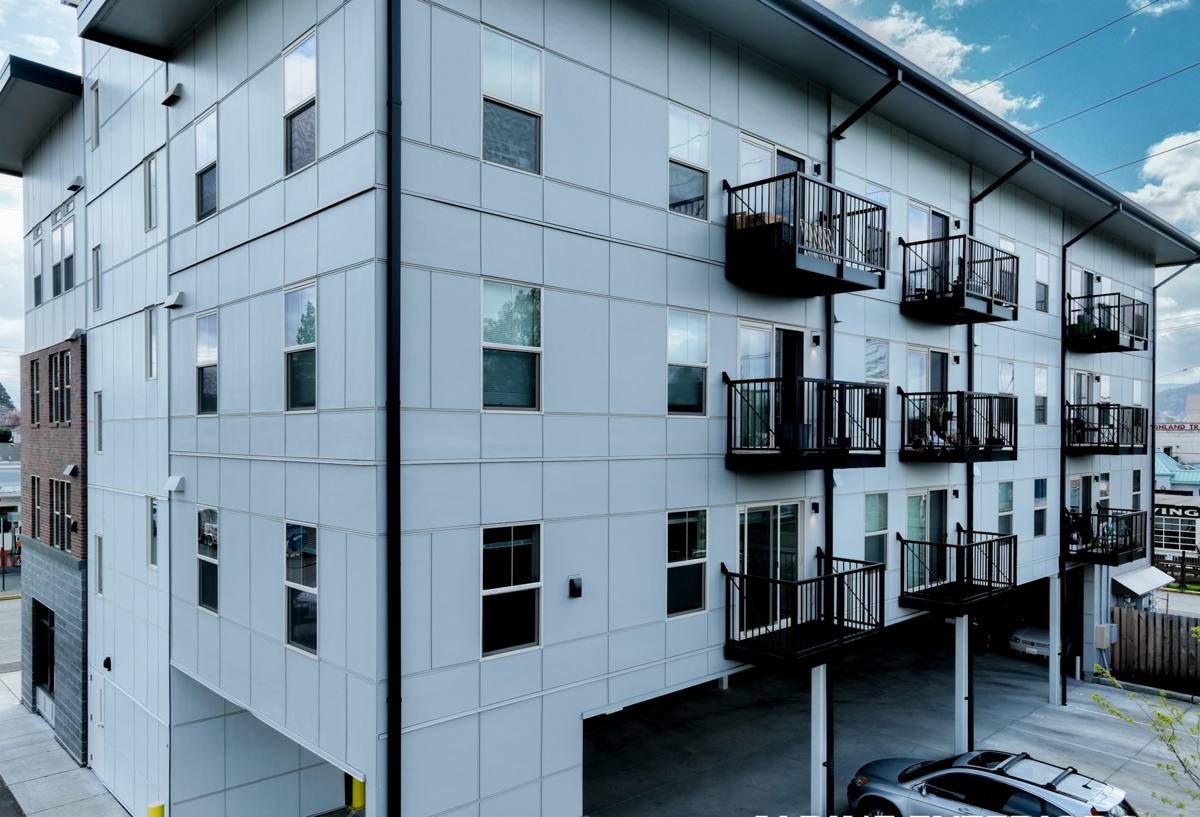
Why Board & Batten Fits Downtown Sarasota's Architecture
Board and batten is a two-layer siding pattern: wide vertical boards installed with a gap between them, then narrower battens fastened over the seams. It originated as a practical way to cover gaps in early wood construction, and it's stuck around because the shadow lines it creates still look sharp on both traditional and modern facades. In Downtown Sarasota, we see it used as a full-facade siding choice on cottage-style homes, as an accent on gables and porch returns, and mixed with lap siding to break up larger elevations. It pairs well with the coastal and Old Florida aesthetic that's common in the neighborhoods closest to downtown, without looking like every other house on the block.
Where It Works Best
Vertical board and batten reads strongest on simple, well-proportioned elevations — gables, dormers, single-story cottages, and accent walls. On homes with a lot of window and door openings, it takes more planning around trim and flashing detail to keep the pattern looking intentional rather than chopped up.
What Sarasota's Climate Does to Board & Batten Over Time
Every siding material and profile reacts to this climate differently, but board and batten has a few specific vulnerabilities worth understanding before you commit to it.
- Wind-driven rain: The vertical seams under each batten are a direct path for water if the board isn't lapped, flashed, or fastened correctly. In a coastal-adjacent county that regularly sees tropical storm and hurricane rain bands, that seam detail matters more here than it would inland.
- Sustained UV exposure: Florida's UV load is harder on paint film and caulk than most of the country. Factory-applied finishes hold color and adhesion far longer than field-applied paint on raw or primed boards, which chalk and fade noticeably within a few years here.
- Salt air corrosion: Homes within a few miles of the bayfront see accelerated corrosion on exposed fasteners and metal flashing. Uncoated or under-rated fasteners will bleed rust streaks down a board and batten wall faster than most homeowners expect.
- Wind uplift and impact: Downtown Sarasota falls under Florida's high-velocity wind design requirements. Fastening schedule and board attachment aren't just install preferences — they're what keeps the siding on the wall in a named storm.
What a Correct Board & Batten Installation Actually Involves
Board and batten looks simple from the street, but a correct installation has more going on behind the surface than most homeowners realize.
Water Management Comes First
Before any board goes up, the wall needs a properly lapped weather-resistive barrier, correctly integrated flashing at every window, door, and penetration, and rainscreen or furring detail where the wall assembly calls for it. Board and batten's vertical seams rely on this hidden layer to shed water that gets past the surface — the cladding is the second line of defense, not the only one.
Fastening and Layout
Boards need to be fastened into structural framing at the spacing the manufacturer specifies for our wind zone, not a generic schedule pulled from a milder climate. Batten placement has to land over real seams and blocking, not just wherever it looks even. Fastener heads should be countersunk and sealed or capped where required, using corrosion-resistant fasteners rated for coastal exposure.
Trim, Flashing, and Terminations
Every outside corner, inside corner, window head, and base termination is a place water can get behind the siding if it's flashed wrong. This is where a lot of otherwise good-looking board and batten jobs fail early — the field installation is clean, but the details at the edges were rushed.
Why We Install James Hardie Board & Batten and Nothing Else
We only install James Hardie fiber cement for board and batten work, including on Downtown Sarasota homes. That's not a marketing preference — it's a standard we hold because of what this climate does to the alternatives. Engineered wood and primed wood boards absorb moisture at cut edges and fastener penetrations, which is a real liability in a humid, storm-prone county. Vinyl board and batten profiles can warp or fade under sustained Gulf Coast UV and don't carry the same wind-load performance as fiber cement in HVHZ-adjacent construction. James Hardie's HZ product line is engineered specifically for high-humidity, high-UV climates like ours, the ColorPlus factory finish holds color far longer than field-applied paint, and the material itself is non-combustible — a real consideration during dry-season brush fire risk. We'd rather install fewer products correctly than offer everything and hope it holds up.
Comparing Board & Batten Material Options for This Climate
| Factor | James Hardie Fiber Cement | Engineered Wood | Vinyl |
|---|---|---|---|
| Moisture resistance | High — won't rot or swell | Moderate — vulnerable at cut edges | High, but seams can trap moisture |
| Wind/impact performance | Strong, rated for HVHZ-adjacent use | Moderate | Lower, panels can crack or blow off |
| UV/color retention | Strong with factory ColorPlus finish | Weak, needs repainting | Fades and chalks over time |
| Combustibility | Non-combustible | Combustible | Combustible, can melt/deform |
| Typical maintenance | Occasional wash, repaint on long cycle | Regular repainting and caulking | Wash only, but hard to repair |
Our Process for Downtown Sarasota Board & Batten Projects
Every home is different, but the process holds the same shape:
- On-site evaluation: We walk the exterior, check the current wall assembly and any existing moisture or trim issues, and talk through where board and batten makes sense on the home.
- Written scope and material spec: You get a clear plan covering James Hardie product line, board width and batten spacing, color, and trim approach — no vague allowances.
- Prep and water management: Removal of failing material, correction of any framing or sheathing issues found underneath, and installation of the weather barrier and flashing system before a single board goes up.
- Installation to manufacturer and local wind-load spec: Fastening schedule, board attachment, and trim details are done to spec for our zone, not a generic national standard.
- Final walkthrough: We go over the finished work together before we call the job done.
What to Ask a Contractor Bidding on Board & Batten Work
- Do they specify James Hardie's HZ product line for this climate, or a generic fiber cement spec?
- What fastener type and spacing are they using, and is it rated for coastal/salt-air exposure?
- How do they handle flashing at windows, doors, and wall terminations — can they explain it, not just show a photo of finished trim?
- Are they licensed and insured to work in Sarasota County, and do they pull the required permit?
- Do they have experience with board and batten specifically, not just lap siding?
- What does the written warranty actually cover — material, labor, or both?
Living With Board & Batten Siding in This Climate
Once it's installed correctly, board and batten with James Hardie's factory finish is low-maintenance, but "low" isn't "none." A periodic rinse to clear salt residue, a visual check of caulk lines and fastener heads after major storms, and prompt attention to any impact damage will keep the wall assembly performing the way it was designed to. Homeowners closer to the bayfront should expect to rinse more often than those further inland, simply because of how much salt air settles on exterior surfaces here.
Why Local Installation Experience Matters
Wind-load requirements, flashing details, and fastening schedules aren't uniform across Florida — a crew used to inland or out-of-state conditions can do a technically clean installation that still isn't right for a home this close to the Gulf. A contractor who already works in and around Downtown Sarasota has already worked through the permitting, inspection, and wind-zone requirements specific to this area, and knows what this climate does to a wall assembly over the following decade, not just the following year.
If you're considering board and batten siding for a home in Downtown Sarasota, we're happy to take a look and walk you through what's involved for your specific house. The estimate is free, there's no pressure, and you'll leave the conversation with a straight answer either way.