 Sarasota Siding
 Windows Built for Downtown Sarasota's Coastal Conditions
Downtown Sarasota sits close enough to the bay and the Gulf that its homes and condos take a different kind of beating than houses further inland. Salt-laden air corrodes hardware and fasteners faster. Intense, near-constant UV breaks down seals, vinyl, and low-grade coatings. Wind-driven rain during summer storms finds every gap in a poorly flashed window. And when a hurricane or tropical storm tracks through Sarasota County, older single-pane or builder-grade windows are often the first failure point in a home — not because the glass shatters, but because the frame flexes, the seal fails, or the whole unit pulls away from the rough opening.
Custom windows solve a different problem than off-the-shelf replacement windows. A custom window is built to the exact rough opening you have, in the configuration your home actually needs — whether that's a tall, narrow opening in a historic bungalow near the downtown core, a wide picture window in a mid-century home, or oversized units in a newer condo or luxury build. Nothing gets shimmed, trimmed, or forced to fit. That precision matters more here than in most of the country, because a loose or improperly sized window is exactly the kind of weak point that hurricane-force wind and wind-driven rain will exploit.
What Downtown Sarasota Homes Actually Need From Their Windows
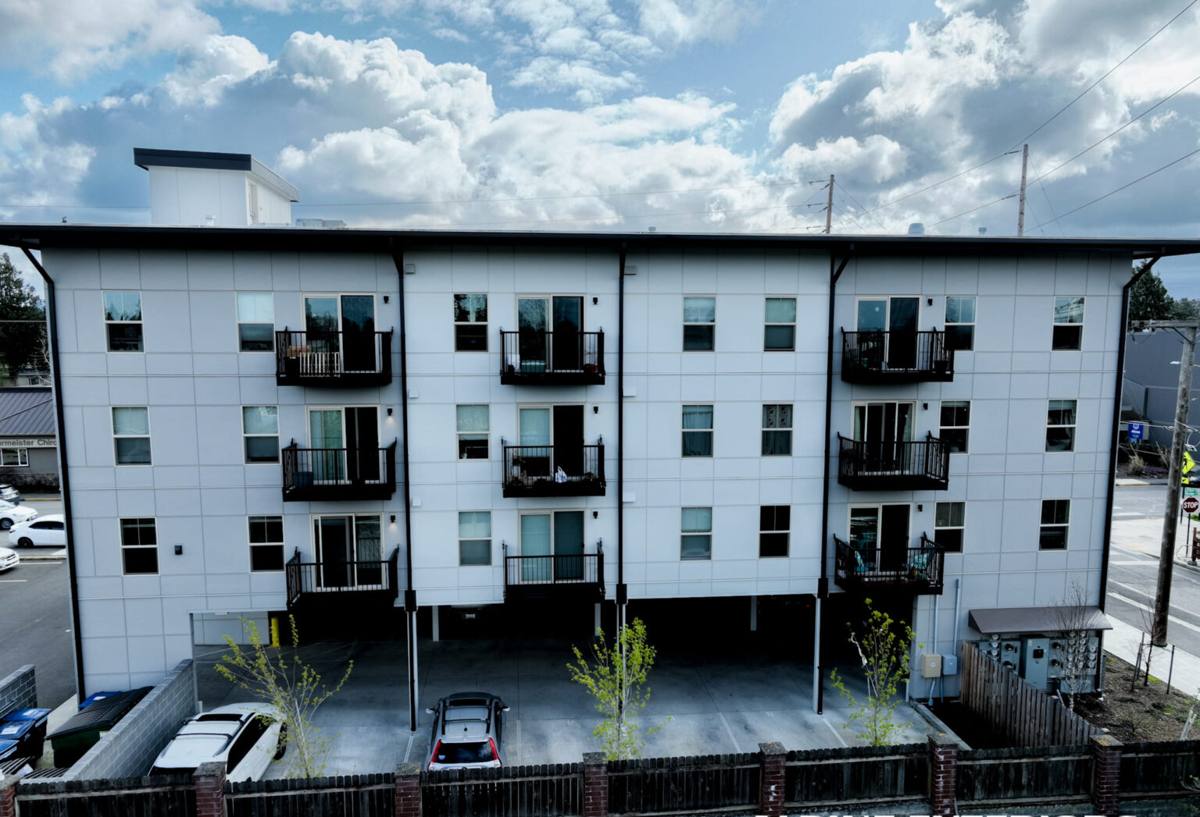
Downtown Sarasota isn't one uniform building type — it's a mix of older single-family homes, mid-century construction, and newer condo and townhome developments, many within a few blocks of the water. That mix means the "right" window depends on the house, but a few requirements hold across nearly all of them:
- Impact resistance: Sarasota County building code requires either impact-rated windows or an approved protection system (like shutters) in wind-borne debris regions, which covers most of the coastal area including downtown. Impact glass also cuts down on outside noise, which matters on busier downtown streets.
- Corrosion-resistant hardware: Standard steel screws, hinges, and cranks corrode quickly this close to salt air. Frames and hardware need to be rated for coastal exposure, not just "hurricane country" in general.
- UV-stable glazing and frame materials: Florida sun is harder on window components than most manufacturers' national warranties assume. Cheaper vinyl can yellow, warp, or become brittle years before a quality frame shows any wear.
- Correct flashing and sealing at installation: Even the best-rated window will leak if it's not flashed and sealed correctly against wind-driven rain. This is an installation issue, not a product issue — it's where most window failures we see actually originate.
- Energy performance: Downtown Sarasota's cooling season runs most of the year. A properly rated low-E glass package makes a real difference in comfort and utility bills, especially in west- and south-facing rooms.
Impact-Rated vs. Standard Windows: What the Difference Actually Means
Homeowners in this area frequently ask whether they need impact-rated windows or whether standard windows paired with shutters will satisfy code and offer enough protection. Both can be code-compliant depending on your specific location and wind zone, but they behave differently day to day.
| Factor | Impact-Rated Windows | Standard Windows + Shutters |
|---|---|---|
| Daily use | No action needed before a storm | Shutters must be installed/closed each time |
| Noise reduction | Significant, year-round | None unless shutters are closed |
| Upfront cost | Higher per opening | Lower window cost, added shutter cost |
| Aesthetics | Clean, unobstructed view year-round | Shutters visible or need storage when not deployed |
| Long-term maintenance | Frame and glass only | Shutter tracks, hardware, and window both need upkeep |
Neither option is wrong — it's a question of budget, how the home is used, and whether you want storm protection that's "always on" versus something you deploy when a storm is approaching. We'll walk through both honestly during your estimate rather than pushing whichever is more profitable for us.
What a Correct Custom Window Installation Involves
A lot of window problems we get called out to fix in this area aren't product failures — they're installation shortcuts. Here's what a job should actually include:
1. Accurate measurement and product selection
Every opening gets measured individually. Older downtown Sarasota homes in particular often have openings that aren't perfectly square or aren't a standard size, and a custom-built window accounts for that instead of relying on field modifications that compromise structural integrity.
2. Removing the old window without damaging the opening
This step matters more than it sounds. Rushed removal can crack stucco, damage the rough opening framing, or hide water damage that needs to be addressed before the new window goes in — not after.
3. Inspecting for hidden moisture damage
Coastal humidity and wind-driven rain mean it's not unusual to find soft wood, rusted fasteners, or old improper flashing once a window is out. Any damage gets addressed before installation, not covered up.
4. Flashing and sealing to shed water, not trap it
Flashing tape and sealants have to be installed in the correct order and direction so that any water that gets behind the exterior finish drains back out rather than pooling against the frame. This is the single most common point of failure in bad window installs.
5. Proper anchoring for wind load
Impact-rated windows are only as strong as their attachment to the structure. Fasteners, spacing, and shim placement all need to match the manufacturer's tested installation instructions to actually deliver the wind rating printed on the label.
6. Interior and exterior finish work
Trim, caulking, and paint-matching get finished cleanly so the new window looks like it belongs, not like an obvious retrofit.
Our Process for Downtown Sarasota Window Projects
- On-site assessment: We look at your current windows, note problem areas (drafts, leaks, condensation, corrosion), and measure openings.
- Honest product discussion: We walk through impact-rated vs. standard options, frame materials, and glass packages suited to your home's exposure and your budget — no upselling to the most expensive option by default.
- Written estimate: Clear pricing per opening, timeline, and what's included (removal, disposal, flashing, trim, cleanup).
- Custom manufacturing: Windows are built to your exact measurements rather than pulled from generic stock sizes.
- Installation: Careful removal, moisture inspection, correct flashing, proper anchoring, and finish work as outlined above.
- Final walkthrough: We check operation, seals, and appearance with you before calling the job done.
Why Local Experience in Sarasota County Matters
Window installation isn't identical everywhere in Florida, let alone the country. A crew that regularly works Downtown Sarasota already understands the wind zone requirements and permitting expectations for this part of Sarasota County, knows how to work around HOA and condo association rules that are common in this area's newer buildings, and has seen firsthand how older downtown homes are built — which matters when an opening doesn't match a modern standard size. That local familiarity shortens the guesswork on measurement, permitting, and product selection, and it means fewer surprises mid-project.
It also means we're not learning the coastal-durability lessons on your house. Salt air, UV exposure, and wind-driven rain punish shortcuts faster here than almost anywhere else in the state, and a crew that's installed windows across this area has already seen which details actually hold up over years, not just on paper.
Permits and Code Compliance
Window replacement in Sarasota County typically requires a permit, and inspectors will check that the installed product matches its approved impact rating and that anchoring meets the manufacturer's tested specifications. Skipping or mishandling permitting can create real problems later — at resale, with insurance claims, or with your homeowners or condo association. We handle the permitting process as part of the job rather than treating it as an afterthought.
Signs Your Current Windows Need Attention
- Visible corrosion or pitting on frames, hinges, or hardware
- Difficulty opening, closing, or locking a window that used to operate smoothly
- Condensation forming between panes on double-glazed units (a sign the seal has failed)
- Drafts or a noticeable temperature difference near the window
- Water staining on interior trim or sills after storms
- Frames that feel soft, or paint/finish that's bubbling or peeling
- Noticeably louder street or traffic noise than in other rooms
Any one of these can indicate a failing seal, damaged flashing, or a frame that's no longer performing the way it should — worth having looked at before the next storm season rather than after.
Getting Started
If you're weighing custom windows for a home or condo in Downtown Sarasota, we're happy to take a look, measure your openings, and give you a straightforward estimate with no pressure to commit on the spot. Reach out using the form below to schedule a free assessment.