 Sarasota Siding
 Deck Repair Built for Ellenton's Weather, Not a Generic Climate
Ellenton sits just north of Sarasota in Manatee County, close enough to the Gulf that salt air, humidity, and storm exposure shape every outdoor structure in the area — decks included. A deck built or repaired the way you'd do it in a dry inland climate will fail here faster than it should. Ledger boards rot from trapped moisture, fasteners corrode from salt-laden air, sun-baked boards cup and split, and wind-driven rain finds every gap in flashing and framing. We repair decks in and around Ellenton with all of that in mind, not as an afterthought.
This page focuses on one job: deck repair for Ellenton homes. Not new deck construction, not a general overview of decking materials — the specific work of diagnosing why a deck is failing and fixing it correctly so it lasts through the next several Gulf Coast summers and storm seasons.
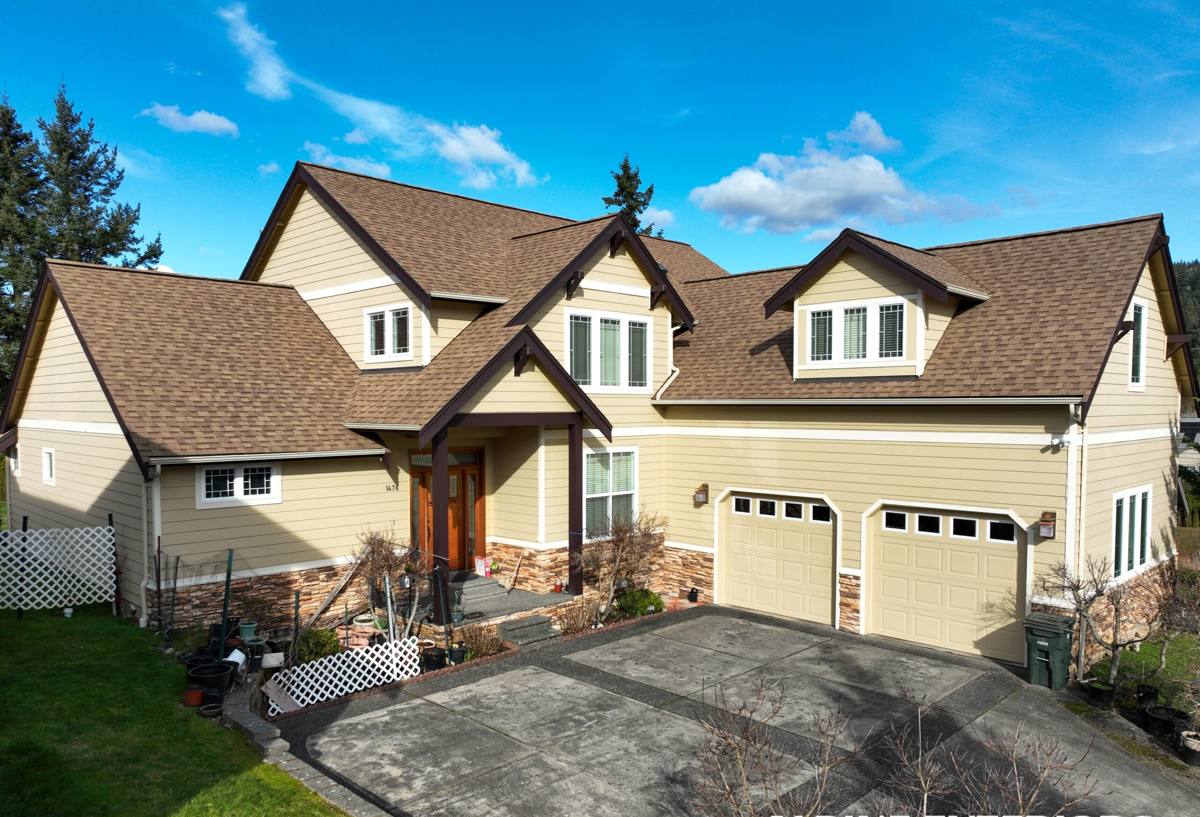
What Sarasota-Area Climate Does to a Deck Over Time
UV and Heat
Florida sun is intense and nearly constant. Wood decking loses natural oils and grays, then cups and cracks as the surface dries out faster than the core. Composite boards fade and can lose some surface texture over many years, though most modern composites handle UV far better than wood.
Wind-Driven Rain and Humidity
Afternoon storms don't just fall straight down — wind pushes rain sideways into ledger connections, under boards, and into any framing that isn't properly flashed or gapped for drainage. Combined with year-round humidity, this is the single biggest cause of hidden rot in Gulf Coast decks.
Salt Air
Even a few miles inland from the coast, salt-laden air accelerates corrosion of fasteners, brackets, and any exposed metal hardware. Standard interior-grade screws and nails corrode faster here than they would in a drier, saltless climate, and corroded fasteners are one of the most common reasons a deck fails structurally before the decking surface even looks bad.
Hurricane-Force Wind Loads
Decks attached to the house need to resist uplift and lateral loads during tropical storms and hurricanes. Loose ledger connections, undersized post bases, and missing hurricane-rated hardware are common on older decks that were never built to current wind-load expectations for this part of Florida.
Signs Your Ellenton Deck Needs Repair Now
Some deck problems are cosmetic and can wait. Others are structural and shouldn't. Here's how to tell the difference before you have someone on your deck:
- Soft or spongy boards — usually rot underneath, even if the top surface looks fine.
- Movement at the ledger board — any bounce or gap where the deck meets the house is a structural red flag, not a cosmetic one.
- Rust streaks around fasteners — a sign that hardware is corroding and losing holding strength.
- Wobbly or leaning railings — often a loose post connection, which is a safety issue, not just an aesthetic one.
- Gaps opening between boards — normal seasonal movement to a point, but excessive gapping can mean boards were installed too tight or have shrunk more than expected.
- Discoloration or dark staining on the underside — a sign of trapped moisture and possible fungal growth.
- Nails backing out or popping up — common on older wood decks and a trip hazard as much as a structural one.
If you're seeing any of the structural items — ledger movement, soft framing, leaning posts — that's worth a look before it gets worse. Cosmetic wear on an otherwise sound structure is a much smaller job.
What a Correct Deck Repair Actually Involves
A lot of deck "repairs" amount to swapping a bad board and calling it done. That fixes what you can see, but it doesn't address why the board failed in the first place — which in this climate is usually moisture, fastener corrosion, or a framing issue underneath. Our approach starts below the surface.
Structural Inspection First
Before replacing anything, we check the ledger board connection to the house, the condition of the joists and beams, post bases, and any flashing at the house wall. This is where the real problems usually hide, and it's the part a surface-level repair skips.
Fastener and Hardware Upgrades
Where we find corroded or undersized hardware, we replace it with fasteners and connectors rated for coastal exposure. This matters more in the Sarasota-Bradenton area than it does further inland, and it's one of the cheapest upgrades that adds the most long-term durability.
Moisture Management
Repairs that don't address drainage and airflow underneath the deck tend to fail again within a few years. We look at ledger flashing, joist spacing, and ventilation under the deck as part of any repair, not just the boards themselves.
Matching or Upgrading Decking Material
Sometimes a repair means replacing a handful of boards to match existing wood decking. Other times, especially on older wood decks with recurring rot problems, it makes sense to talk through whether a partial or full resurfacing with a more weather-resistant material is the better long-term move. We'll give you an honest read on which situation you're in.
Wood vs. Composite: Repair Considerations in a Coastal Climate
Both materials can be repaired successfully. The right approach depends on the existing structure, budget, and how much upkeep you want going forward.
| Factor | Wood Decking | Composite Decking |
|---|---|---|
| Typical repair need | Board replacement, sanding, re-sealing, rot remediation | Board or clip replacement, occasional fastener repair |
| Moisture behavior | Absorbs and releases moisture; prone to rot if unsealed | Resists moisture absorption; core can still trap water if unventilated |
| Maintenance after repair | Periodic sealing/staining recommended in this sun and rain cycle | Cleaning only; no sealing required |
| UV wear pattern | Grays and dries; needs refinishing to restore appearance | Some gradual fading; color is more stable long-term |
| Repair matching | Can be tricky to color-match older weathered boards | Discontinued colors/profiles can be hard to match exactly |
| Fastener sensitivity | Standard fasteners corrode faster near the coast | Manufacturer-specified fasteners matter for warranty and board integrity |
We don't push one material over the other. We tell you what we find on your specific deck and what each repair path realistically involves — including the maintenance commitment on the wood side, which is often the deciding factor for homeowners who want a lower-upkeep deck long-term.
Our Deck Repair Process
- On-site inspection. We walk the full deck, check underneath where accessible, and test the ledger, posts, and railings for movement.
- Honest diagnosis. We tell you what's cosmetic, what's structural, and what's likely to fail next even if it looks fine today.
- Written scope and estimate. You get a clear breakdown of what's being repaired, what materials and hardware will be used, and why.
- Structural repairs first. Ledger, framing, and post issues get addressed before any cosmetic work, since surface repairs on a compromised structure won't hold.
- Board and rail work. Damaged boards, balusters, and rail components are replaced and matched as closely as possible to existing material.
- Fastener and hardware finish. Corrosion-resistant fasteners and connectors go in as standard practice for this climate, not as an upsell.
- Final walkthrough. We check the deck with you before calling the job done, and point out any maintenance items worth keeping an eye on.
Repair or Replace? What Actually Drives the Decision
Not every deck problem needs a full rebuild, and not every deck is worth repairing indefinitely. These are the factors that actually matter:
| Factor | Leans Toward Repair | Leans Toward Replacement |
|---|---|---|
| Ledger board condition | Solid, no rot at attachment | Rotted or improperly flashed ledger |
| Framing/joists | Sound, isolated soft spots | Widespread soft or rotted framing |
| Age of decking surface | Under half its expected service life | Near or past typical service life for the material |
| Extent of damage | Limited to a few boards or one section | Damage spread across most of the deck |
| Prior repair history | First significant repair | Repeated repairs to the same areas |
Broadly, isolated board and railing repairs on a structurally sound deck run well below the cost of a full rebuild, while decks needing ledger or widespread framing work start to approach replacement cost — at which point it's worth discussing both options honestly rather than sinking repair money into a structure that's on its way out.
Hurricane Preparedness and Code Considerations
Because Ellenton and the wider Sarasota-Bradenton area fall within hurricane-prone wind zones, deck repairs here aren't just about fixing what's broken — they're an opportunity to bring older connections up to a safer standard. That means checking that ledger attachment meets current expectations for uplift resistance, that post-to-beam and beam-to-ledger connections use appropriate rated hardware, and that railings are solidly anchored, not just cosmetically attached. If your deck was built years ago under older assumptions about wind exposure, a repair is a reasonable time to address that rather than waiting for storm damage to force the issue.
Keeping a Repaired Deck in Good Shape
A correct repair should buy you years of use, but a little upkeep goes a long way in this climate:
- Rinse off salt residue and debris periodically, especially after storms.
- Keep gutters and downspouts directing water away from the deck structure, not onto it.
- Check railings and stair connections for looseness once or twice a year.
- Re-seal or re-stain wood decking on the schedule appropriate for the product used.
- Keep vegetation and debris clear from underneath the deck to maintain airflow.
- Address small issues — a loose board, a popped fastener — before they become bigger repairs.
Why Hire a Crew That Already Works in Ellenton
A deck repair done by someone unfamiliar with Gulf Coast conditions often misses the details that matter most here — the fastener grade, the flashing detail at the ledger, the drainage path underneath. We work on homes throughout the Sarasota area, including Ellenton, and we build every repair around what actually holds up against salt air, heat, UV, and storm-driven wind and rain, not a one-size-fits-all approach borrowed from a different climate. That local familiarity is often the difference between a repair that lasts and one you're redoing again in a couple of years.
If your deck in Ellenton has a soft board, a loose railing, or you're just not sure whether it needs a small fix or something bigger, we're glad to take a look. Reach out for a free, no-pressure estimate using the form below.