 Sarasota Siding
 Window Installation in Rosemary District: What Local Homes Actually Need
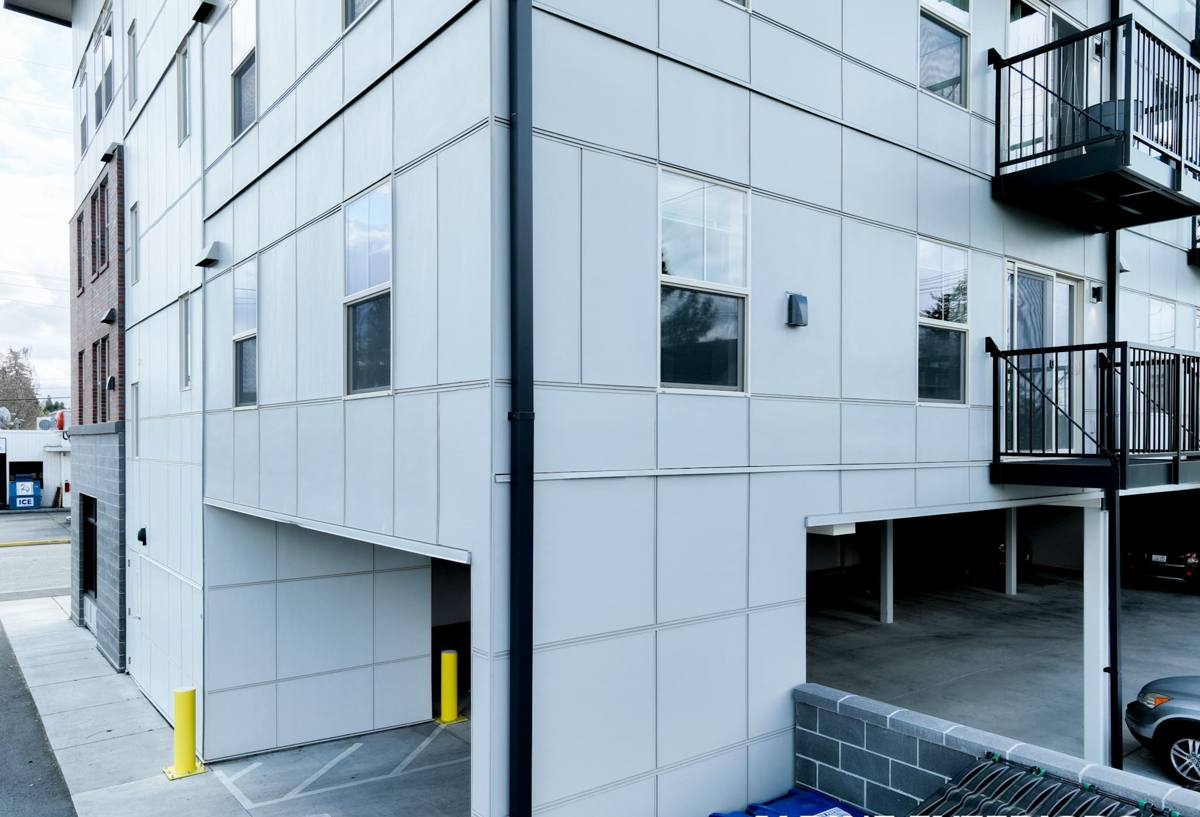
Rosemary District sits just north of downtown Sarasota, and it's one of the more interesting pockets of the city to work in as a contractor. You've got a mix of older bungalow-style homes that have been standing for decades alongside newer infill construction and mixed-use buildings going up as the neighborhood continues to redevelop. Different eras of construction mean different window problems, but they all share the same enemy: Sarasota's coastal climate. Whether a home was built in the mid-1900s or last year, its windows are absorbing the same hurricane-force winds, the same relentless UV, the same wind-driven rain, and the same salt-laden air coming off the Gulf Coast.
Window installation isn't a one-size-fits-all job here. Getting it right in Rosemary District means understanding both the building science and the specific pressures this part of Sarasota County puts on a home's exterior envelope.
What Sarasota County's Climate Does to Windows
Hurricane-Force Winds
Sarasota County sits within Florida's wind-borne debris region, which means most homes here need windows and doors rated to withstand high wind pressures and flying debris impact, or approved protective coverings for every opening. A window that isn't properly rated, or one that's rated correctly but installed with the wrong fasteners or anchoring, becomes the weak point in the whole structure during a storm. Once wind gets inside a home through a failed window, roof and interior damage follows fast.
Intense Year-Round UV
Florida sun doesn't take a season off. Constant UV exposure breaks down vinyl frames, dries out old glazing and weatherstripping, and fades interior furnishings through low-quality glass. Over years, that UV load is part of why older windows in this area start to warp, discolor, or stop sealing properly long before they would in a milder climate.
Wind-Driven Rain
Sarasota gets heavy, sideways rain during summer storms and tropical systems, not just straight-down rain. Wind-driven rain finds any gap in flashing, sealant, or frame alignment and pushes water into the wall cavity, whether or not the window itself has failed. Most of the "mystery" water stains homeowners find near window frames trace back to installation issues, not the window unit itself.
Salt Air and Coastal Corrosion
Being close to Sarasota Bay and the Gulf means salt air is a constant, even a few miles inland. Salt accelerates corrosion on hardware, screws, hinges, and metal components, and it degrades certain finishes and sealant types faster than manufacturers' general climate ratings account for. Materials and fasteners chosen for a window installation here need to hold up to that, not just to "Florida weather" in the abstract.
What a Correct Window Installation Actually Involves
Product Selection: Impact-Rated vs Non-Impact
The first decision is whether a window will be impact-rated glass or standard glass paired with approved shutters or panels for storm protection. Impact windows cost more up front but stay in place year-round with no separate storm prep, which matters a lot for a neighborhood with more year-round residents and smaller lots where storing large shutter panels isn't always practical. Either approach can meet code when done correctly; the right call depends on the home, the budget, and how the homeowner wants to handle storm season.
Proper Flashing and Waterproofing
This is the part that gets skipped by rushed installers and it's the single biggest cause of window-related leaks. Every opening needs a correctly layered system: sill pan flashing, side and head flashing integrated with the home's weather-resistive barrier, and sealant placed so water is directed out, not trapped inside the wall. Done right, water that reaches the window sheds back outside even before it ever touches the interior.
Structural Attachment and Fasteners
A window rated for high wind pressure only performs to that rating if it's anchored the way its approval requires — correct fastener type, spacing, and embedment into structural framing or masonry. This is where older Rosemary District homes need extra attention: original framing may not match what a modern installation spec assumes, so the crew needs to verify substrate condition before assuming a standard fastening schedule will hold.
Permits and Code Compliance
Window replacement and new installation in Sarasota County require a permit and inspection tied to the current Florida Building Code wind requirements for this area. Products need a valid Notice of Acceptance or Florida Product Approval for the wind zone. Skipping this step doesn't just risk a fine — it can create real problems at resale when a buyer's inspector or insurer asks for permit history that doesn't exist.
Rosemary District's Mix of Older and New Homes
Because the neighborhood spans older bungalows and newer infill and mixed-use construction, the right approach to a window installation can look pretty different from one property to the next.
| Consideration | Older / Historic-Era Homes | Newer Infill Construction |
|---|---|---|
| Framing condition | Often needs inspection for rot, settling, or non-standard rough openings before install | Framing is current and dimensionally consistent with modern products |
| Code baseline | Original windows likely predate current wind and impact standards | Already built to current Florida Building Code wind requirements |
| Aesthetic priorities | Matching historic proportions, trim, and sightlines matters | More flexibility on frame style and color to match contemporary design |
| Common goal | Bring the opening up to current wind and water performance without altering the character of the home | Maintain the performance the home was built with when it's time to replace a failed unit |
Neither situation is harder or easier across the board — they just require different prep work, and a crew that hasn't seen both types of homes in this specific area is more likely to miss something.
Our Window Installation Process
- On-site assessment. We look at existing openings, framing condition, and how the home is oriented to prevailing wind and rain before recommending anything.
- Product and protection strategy. We walk through impact-rated glass versus standard glass with shutters, based on the home's exposure and the homeowner's preference.
- Permitting. We pull the required Sarasota County permit and confirm the products specified carry valid Florida wind-zone approval.
- Removal and opening prep. Old units come out carefully, and we inspect the rough opening and substrate before anything new goes in — this is where hidden rot or prior water damage gets caught.
- Flashing and waterproofing. Sill pans, integrated flashing, and sealant go in as a system, not an afterthought.
- Installation and anchoring. Windows are set plumb, level, and square, then fastened per the product's approved installation schedule.
- Final seal and inspection. Interior and exterior finish work is completed, and the job is closed out with the required county inspection.
Signs Your Windows Need Replacing
A lot of homeowners live with failing windows longer than they need to simply because the signs show up gradually. Worth checking for:
- Visible fogging or condensation between panes of double-glazed units
- Frames that feel soft, are visibly warped, or show water staining below the sill
- Difficulty opening, closing, or locking a window that used to operate smoothly
- Drafts or a noticeable temperature difference near the window when it's closed
- Peeling paint, bubbling drywall, or a musty smell in the wall area around a window
- Rattling or whistling during windy conditions
- Noticeably higher cooling bills without another clear cause
Cost Factors for Window Installation
Every home is different, but the price of a window installation project generally moves with a handful of factors:
| Factor | Why It Affects Cost |
|---|---|
| Impact-rated vs standard glass | Impact glass has a higher material cost but removes the need for separate storm protection |
| Number and size of openings | Larger or more numerous windows mean more labor, material, and structural work |
| Frame material | Vinyl, aluminum, and composite frames vary in upfront cost and long-term maintenance in a coastal climate |
| Condition of existing framing | Rot, settling, or out-of-square openings add repair work before installation can start |
| Historic or architectural detailing | Matching trim, muntin patterns, or proportions on older homes can add labor time |
Broad ranges are worth knowing going in, but the honest answer is that final pricing depends on what our assessment finds at the home — which is exactly why we don't quote sight unseen.
Why Hiring a Crew That Already Works in Rosemary District Matters
A window installer who's worked this specific stretch of Sarasota knows what to expect before they even pull a tape measure. They've seen how the older stock in this neighborhood was framed, what rough openings tend to look like on the newer builds, and where prior owners have made repairs that need to be accounted for. That familiarity means fewer surprises mid-project, more accurate quotes up front, and a permit and inspection process that goes smoother because the paperwork and product approvals already line up with what Sarasota County expects to see. It also means someone who understands that a window here isn't just an aesthetic choice — it's a structural component that has to perform through hurricane season, every season, for years.
If you're weighing a window project in Rosemary District, we're glad to take a look and give you an honest, no-pressure estimate — just fill out the form below to get started.