 Sarasota Siding
 Siding Installation Built for Nokomis Conditions
Nokomis sits in the part of Sarasota County that takes the full brunt of what the Gulf Coast throws at a house: hurricane-force wind events, wind-driven rain that finds every gap in a wall assembly, salt air that never fully lets up even a few miles inland, and UV exposure that ranks among the most intense in the country for most of the year. A siding installation here isn't just a cosmetic upgrade — it's the primary weather barrier standing between that climate and the framing, sheathing, and interior of the home.
Get it right and a home is protected for decades with manageable upkeep. Get it wrong — wrong product, wrong flashing details, wrong fastening — and problems show up years before they should, usually hidden behind the wall where nobody sees them until the damage is extensive. This page covers what Nokomis homes actually need from a siding installation, what a correct job involves, how our process works, and why hiring a crew that already works this area matters more here than it does in milder climates.
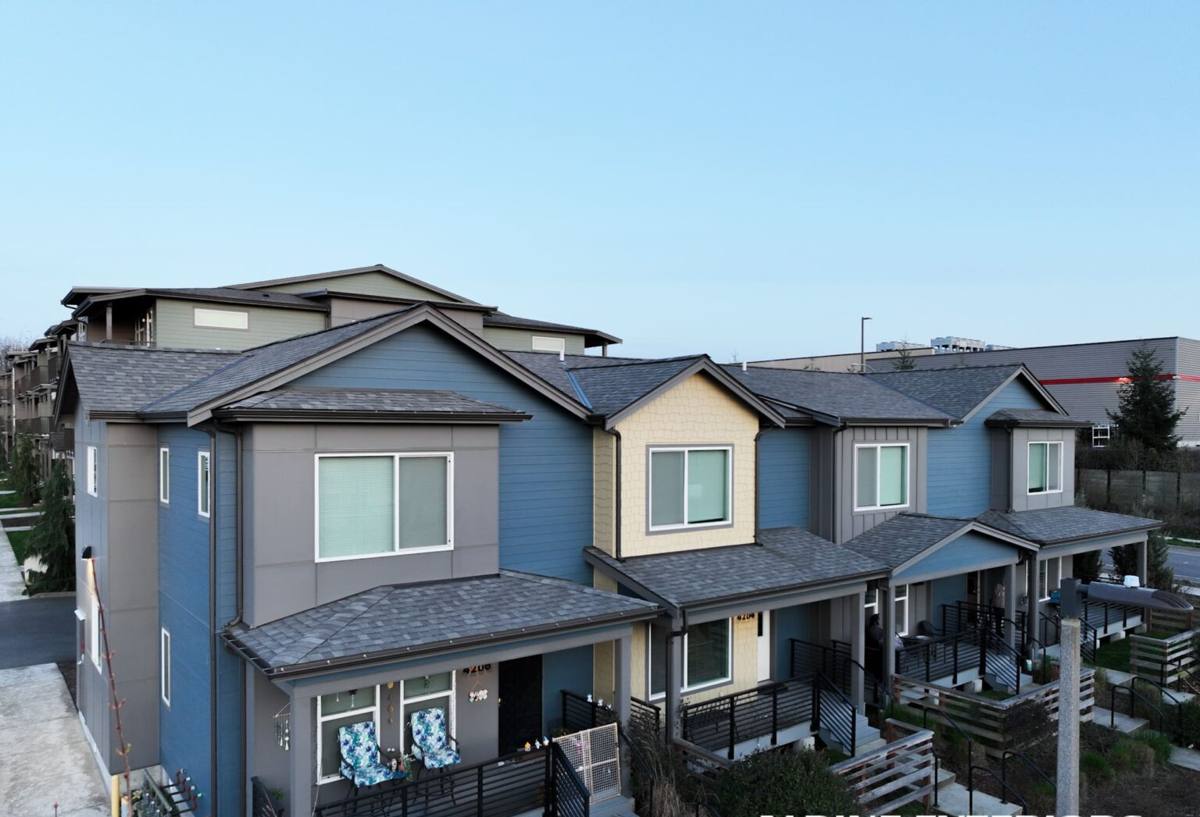
What Nokomis Homes Are Actually Up Against
Hurricane-Force Wind
Sarasota County sits in a wind zone where siding has to do more than look good — it has to stay attached through sustained high wind and gusts that test every fastener and every panel edge. Siding that's under-fastened, fastened at the wrong spacing, or rated for a lower wind exposure than the site requires is one of the more common failure points we find when we're called out to repair storm damage. This isn't a place to treat fastening schedules as a formality.
Wind-Driven Rain
During a storm, rain here doesn't just fall — it gets driven sideways and upward into laps, seams, and penetrations that would stay dry under normal rainfall. That's a water management problem, not just a wind problem, and it means the flashing, house wrap, and drainage plane behind the siding matter as much as the siding itself. A lot of what looks like a "siding problem" months or years later actually started as a flashing detail that let wind-driven rain behind the cladding during one storm.
Intense, Year-Round UV
Florida's UV load doesn't take a season off. Constant sun exposure breaks down unprotected wood fibers, degrades cheap coatings, and fades paint faster than in most of the country. Siding material and finish both need to be chosen with that in mind — a finish that looks fine in a showroom but wasn't engineered for this UV load will chalk, fade, or crack well ahead of schedule.
Salt Air
Nokomis isn't directly on the barrier islands, but salt-laden air still travels well inland along this stretch of the Gulf Coast, settling on siding, trim, and fasteners even on properties that aren't waterfront. Salt accelerates corrosion in metal components and can affect how coatings and caulking hold up over time. Material and hardware choices that ignore this tend to show their weakest points first.
How These Factors Combine
| Climate Factor | What It Stresses | What the Installation Must Get Right |
|---|---|---|
| Hurricane-force wind | Fastener holding power, panel attachment | Correct fastener type, spacing, and embedment per wind zone |
| Wind-driven rain | Seams, laps, penetrations, flashing | Proper house wrap, flashing, and drainage plane behind the siding |
| Intense UV | Coatings, unprotected wood fibers | Factory-cured, UV-stable finish rather than field-applied paint alone |
| Salt air | Fasteners, trim, caulk joints | Corrosion-resistant hardware and materials suited to coastal exposure |
What a Correct Siding Installation Actually Involves
A siding job is only as good as what's underneath it and how carefully the details are executed. Skipping steps to save time is where most future problems originate.
Tear-Off and Substrate Inspection
Before any new siding goes up, the existing cladding comes off and the sheathing underneath gets inspected. This is where hidden moisture damage, soft spots, or prior water intrusion get found — and it's the point where fixing a small problem is far cheaper than discovering it years later behind a freshly installed wall.
Water-Resistive Barrier and Flashing
A correctly installed house wrap or weather-resistive barrier, properly lapped and sealed, is the backup line of defense if any water gets past the siding surface. Window and door flashing, along with flashing at any wall penetration, has to be integrated with that barrier in the right sequence — flashing that's installed out of order can direct water into the wall instead of away from it.
Fastening to Local Wind Requirements
Fastener type, length, spacing, and embedment all need to match the wind exposure category for the site, not a generic national default. This is one of the most consequential and least visible parts of the job — it's invisible once the siding is up, but it's exactly what determines whether that siding stays attached through a real wind event.
Trim, Caulking, and Joint Details
Every seam, corner, and joint is a potential entry point for wind-driven rain. Correct caulking, properly sized gaps for material expansion, and trim details that shed water rather than trap it are what keep those joints performing years down the road instead of just at final walkthrough.
Finish Suited to the UV Load
A factory-applied, baked-on finish holds up to constant Florida sun far better than field-applied paint, which is one of the reasons finish selection matters as much as the base material.
Why We Install Only James Hardie Fiber Cement
We don't install vinyl, LP SmartSide, cedar, primed spruce, Cemplank, or Allura. That's a deliberate standard, not a limitation of what we're capable of installing — and it matters more in a place like Nokomis than almost anywhere else in the country.
- Non-combustible material. Fiber cement doesn't burn, melt, or warp from heat the way vinyl can, which matters for both wildfire-adjacent risk and simple durability under intense sun.
- ColorPlus factory finish. The finish is baked on at the factory under controlled conditions, giving it better UV and fade resistance than field-applied paint — a real advantage under Florida's sun load.
- Climate-engineered HZ product lines. James Hardie manufactures HZ5 product specifically engineered for high-humidity, high-moisture climates like Florida's Gulf Coast, rather than a one-size-fits-all formulation.
- Dimensional stability. Fiber cement doesn't expand, contract, warp, or rot the way wood-based or vinyl products can under sustained heat and humidity swings.
- Strong transferable warranty. A meaningful warranty backed by a manufacturer with a long track record, transferable if the home sells — real protection, not a marketing footnote.
Every one of those products we don't install has legitimate uses and real strengths. We simply won't put our name behind an installation using a product where the maintenance burden, moisture behavior, or long-term performance in this specific climate falls short of what we think a Nokomis homeowner deserves. Fiber cement is what we've standardized on because, installed correctly, it holds up to exactly what this coastline does to a house.
Our Installation Process
- On-site assessment. We look at the existing siding, the substrate condition where accessible, and the specific wind exposure and orientation of the home before recommending a scope.
- Honest scope and estimate. A clear breakdown of what needs to happen — tear-off, sheathing repair if needed, house wrap, siding, trim — with no vague allowances hiding scope you'll discover mid-project.
- Tear-off and substrate correction. Old siding comes off, and any sheathing or framing issues found underneath get addressed before anything new goes up.
- Water-resistive barrier and flashing installation. Properly lapped and sealed, integrated correctly with window, door, and penetration flashing.
- James Hardie installation to spec. Fastened per the wind zone requirements for this site, with correct joint spacing and trim details.
- Final walkthrough. We go over the finished work with you directly and answer questions about care and what to expect going forward.
Signs Nokomis Homeowners Shouldn't Ignore
- Visible cracking, buckling, or warping anywhere on the current siding
- Soft spots when pressed, especially near the bottom of walls or under windows
- Staining, streaking, or discoloration that keeps returning after cleaning
- Caulk joints that are cracked, pulled away, or missing in multiple spots
- Siding that moved, lifted, or came loose during a recent storm
- A musty smell or visible mold near exterior walls on the interior side
- Rising energy bills that can't be explained by anything else
Cost Factors for Siding Installation in This Area
Every home is different, so we won't quote a number without seeing the property, but the honest factors that actually move the price are consistent from job to job.
| Factor | Why It Matters |
|---|---|
| Home size and wall complexity | More square footage and more corners, gables, and trim details mean more material and labor |
| Substrate condition | Hidden moisture or sheathing damage found during tear-off adds scope that couldn't be priced sight-unseen |
| Siding profile and accessories | Lap, board-and-batten, or panel styles, plus trim and accent choices, carry different material costs |
| Access and site conditions | Landscaping, multiple stories, or tight lot lines can affect labor time |
| Existing siding removal | Full tear-off versus a simpler scope changes labor significantly |
Why Hiring a Crew That Already Works Nokomis Matters
A siding crew that mostly works inland, milder climates can still hang siding competently, but they're often applying assumptions about fastening, flashing, and material selection that don't hold up against Sarasota County's wind zone and coastal exposure. A crew that already works this area knows the wind requirements that apply here, has already seen how salt air and UV wear on different products and finishes over years, and isn't learning those lessons on your house for the first time. That familiarity shows up in fewer callbacks, a more accurate first estimate, and an installation that's actually built for what this coastline does to a house rather than a generic national spec applied without adjustment.
Get a Free, No-Pressure Estimate
If your Nokomis home needs new siding, or you're just trying to figure out where your current siding stands, we're glad to take a look and give you a straight answer — including if the honest answer is that you've got more time than you think. Reach out below for a free estimate with no pressure attached.