 Sarasota Siding
 Why Downtown Sarasota Siding Takes More Punishment Than You'd Think
Downtown Sarasota sits close to the water, which is part of what makes it such a desirable place to live — and part of what makes exterior siding age faster here than it would inland. Homes in this part of Sarasota County deal with a combination most siding was never designed for: hurricane-force wind gusts during storm season, wind-driven rain that gets forced sideways into seams and laps instead of simply running downhill, near-constant UV exposure that never really lets up even in the cooler months, and salt-laden air drifting off Sarasota Bay and the Gulf that slowly works on fasteners, caulk, and paint film.
Downtown's housing stock is a mix — older bungalows and mid-century homes alongside newer infill construction and low-rise condos — which means siding age, material, and installation quality vary a lot from block to block. A repair approach that works on a home built in the last decade may not be the right fix for a house with older, weathered siding that's already had one or two patch jobs done to it. Understanding what's actually happening behind the surface matters more here than in a lot of other markets.
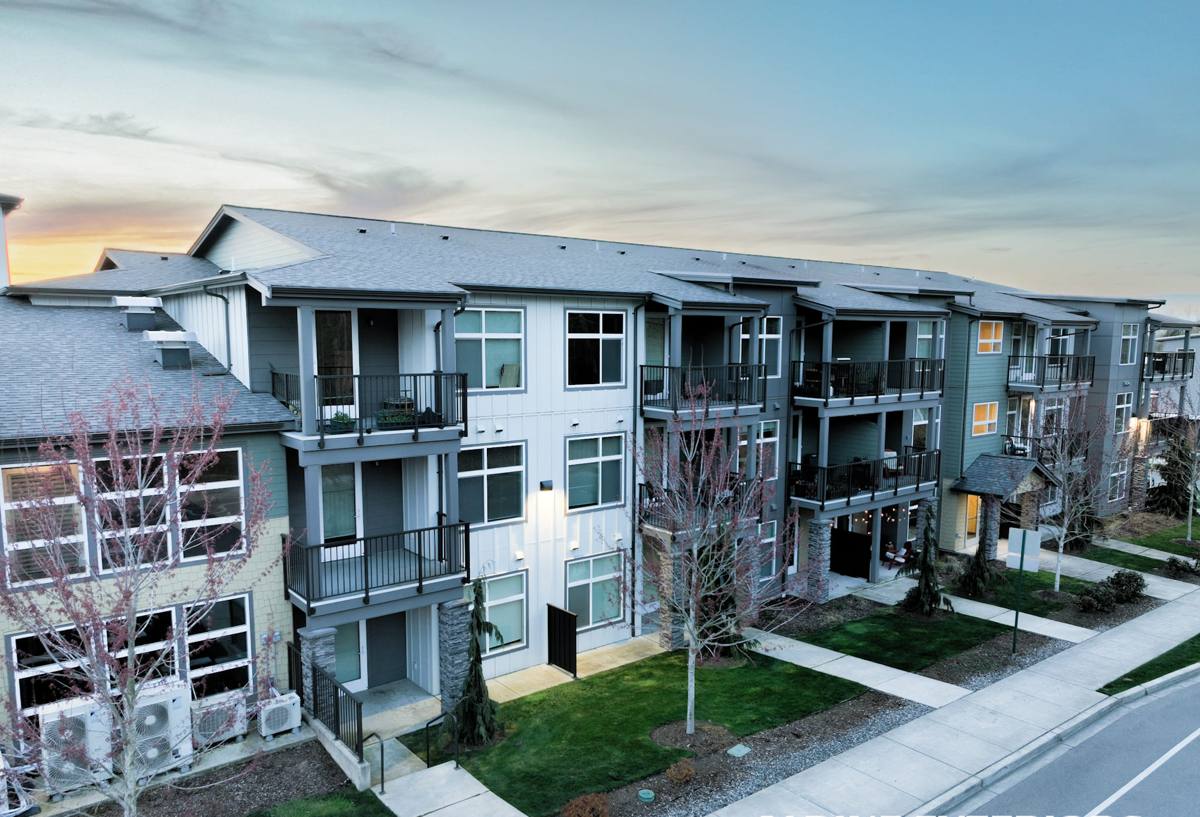
Signs Your Siding Needs Repair
Not every issue means the whole wall needs to come off. Most of what we see in Downtown Sarasota falls into a handful of recognizable patterns, and catching them early is what keeps a repair a repair instead of turning into a bigger project.
- Cracked, split, or buckled boards, usually near corners, seams, or fastener points
- Soft or spongy spots when you press on the siding, which usually means moisture has reached the substrate
- Visible gaps at butt joints or trim where caulking has failed or shrunk
- Paint or ColorPlus finish that's peeling, chalking heavily, or bubbling in isolated areas
- Streaking or dark staining below joints, which often points to water tracking behind the siding rather than just running off the face
- Nail pops or fasteners backing out after repeated wet-dry and heat-cool cycling
- Insect activity or visible rot at the bottom courses near grade, where splash-back and standing moisture are most common
A few of these on an otherwise sound wall are a normal repair. A pattern of several of them spread across multiple elevations usually means the underlying moisture management — house wrap, flashing, or the original installation itself — has been compromised, and that's a different conversation.
What a Correct Repair Actually Involves
The difference between a repair that lasts and one that fails again in a year or two almost always comes down to what happens behind the siding, not just what it looks like from the street.
Checking What's Behind the Damage
Before any new board goes on, damaged siding has to come off cleanly, and the sheathing and water-resistive barrier underneath need to be inspected. If moisture got past the siding, it's often gotten past the house wrap too — and covering that up with a fresh piece of siding without addressing it just hides the problem for a while. Flashing at windows, doors, and any wall penetrations gets checked at the same time, since a failed flashing detail is a common root cause of repeat damage in exactly the same spot.
Matching Fastening and Clearances
Fiber cement has specific fastening requirements — nail placement, spacing, and penetration depth all affect how a board performs against wind uplift. Replacement boards also need proper clearance from grade, roof lines, and hardscaping so water can shed away instead of wicking back up into the material. Skipping these details is a common shortcut that shows up again as a callback down the road.
Sealing and Finishing
Cut edges and joints need to be properly sealed and, where the factory finish has been disturbed, touched up with a compatible coating. Left raw, cut edges are one of the fastest ways for a fiber cement repair to start absorbing moisture again.
Repair or Replace? How We Help You Decide
Homeowners understandably want the cheaper, faster answer, and often a targeted repair is exactly the right call. But there are situations where patching keeps costing money in small amounts instead of solving the actual problem. Here's generally how we think through it:
| Factor | Repair Usually Makes Sense | Replacement Is Usually Better |
|---|---|---|
| Extent of damage | Isolated to a few boards or one elevation | Spread across multiple walls or recurring in the same areas |
| Underlying moisture barrier | Intact once damaged siding is removed | Compromised or failing behind multiple boards |
| Age of existing siding | Relatively young, still performing well elsewhere | Near or past its expected service life |
| Color/finish match | Close match achievable, or repair area is low-visibility | Faded original finish makes a seamless patch unrealistic |
| Material on the home | James Hardie fiber cement in generally good condition | Non-Hardie material with recurring issues (rot, warping, moisture retention) |
We'll always tell you plainly which category your home falls into, and we won't recommend a full replacement when a proper repair will hold up.
A Note on Matching Materials the Right Way
If your home already has James Hardie siding, repairs are relatively straightforward — we match the plank profile and, where possible, the ColorPlus factory finish so the repair blends in rather than standing out as an obvious patch. Sun-faded original siding a decade or more old is harder to match exactly, and we'll be upfront with you about that before starting.
If your home currently has vinyl, LP SmartSide, or another fiber cement brand, we can usually still assess and, in some cases, repair it. But we're honest about the fact that we only install James Hardie ourselves, and we won't pretend a patch on a different product is a long-term fix if that material has a track record of the same issue recurring. In those cases, we'll tell you what we're seeing and let you decide whether a repair now or a planned transition to Hardie down the road makes more sense for your home and budget — no pressure either way.
Our Repair Process
- Inspection: We walk the affected areas, check for moisture intrusion behind the siding, and identify the root cause, not just the visible symptom.
- Diagnosis and options: We explain what we found in plain terms, including whether this is a contained repair or something that points to a bigger issue.
- Material sourcing and color matching: We source the correct Hardie profile and get you as close a color match as realistically possible.
- Removal and repair: Damaged material comes off cleanly, the substrate and barrier are checked and corrected if needed, and new siding goes on to proper fastening and clearance specs.
- Sealing and cleanup: Joints and cut edges are sealed, touch-up finish is applied where needed, and the site is cleaned before we call it done.
Why Hiring a Crew That Already Works Downtown Sarasota Matters
Downtown Sarasota has its own practical wrinkles that a crew unfamiliar with the area can trip over: tighter lots and setbacks than the suburbs, condo and HOA associations with their own approval processes for exterior work, and permitting that runs through the City of Sarasota or Sarasota County depending on exactly where the property sits. A crew that already works this neighborhood knows what to expect on the permitting side, how to work around tight access on older lots, and how the local wind and rain exposure actually behaves on a given elevation — which is often different for a home three blocks from the bay versus one further inland.
There's also a practical benefit for you: a local crew can typically get to a repair faster, and they're not learning the area's quirks on your job.
Protecting the Repair Going Forward
A good repair should hold up for years, but salt air and Florida sun don't take a break. A little routine attention keeps small issues from becoming repeat repairs.
- Rinse siding a few times a year to clear salt residue, pollen, and grime, especially on walls facing the water
- Walk the exterior after any significant storm and look for new cracks, loose boards, or fresh staining
- Keep an eye on caulking at joints and trim, and have gaps resealed before they let water in
- Keep sprinklers and irrigation from spraying directly onto siding, which accelerates wear at the lower courses
- Trim back landscaping that's holding moisture against the wall or rubbing against the siding face
If you're seeing cracked boards, soft spots, or staining on a home in Downtown Sarasota, we're happy to take a look and give you a straight answer about what's going on and what it'll take to fix it properly. The estimate is free, there's no pressure, and you'll get a clear explanation either way — just fill out the form below to get started.