 Sarasota Siding
 Downtown Sarasota's Roofs Work Harder Than Most
A roof over a home in Downtown Sarasota is doing a different job than a roof three states north. Between hurricane-season wind events, near-daily summer thunderstorms that arrive sideways off the Gulf, intense UV exposure almost every day of the year, and the slow corrosive effect of salt-laden air moving in off Sarasota Bay, roofing materials here age faster and fail differently than they would inland. Add in the older housing stock and mix of building styles found throughout the downtown core and surrounding Sarasota County neighborhoods, and you get a lot of roofs that look fine from the curb but are carrying hidden storm damage that only shows up as a leak months later.
We work on roofs in this specific part of Sarasota regularly, which matters more than it might seem. A crew that only sees a handful of local roofs a year is guessing at how this climate treats different materials. A crew that's in Downtown Sarasota every week knows which shingle lines are struggling after five years in this UV load, which flashing details tend to fail first in wind-driven rain, and which roof types in this area are most prone to hidden storm damage.
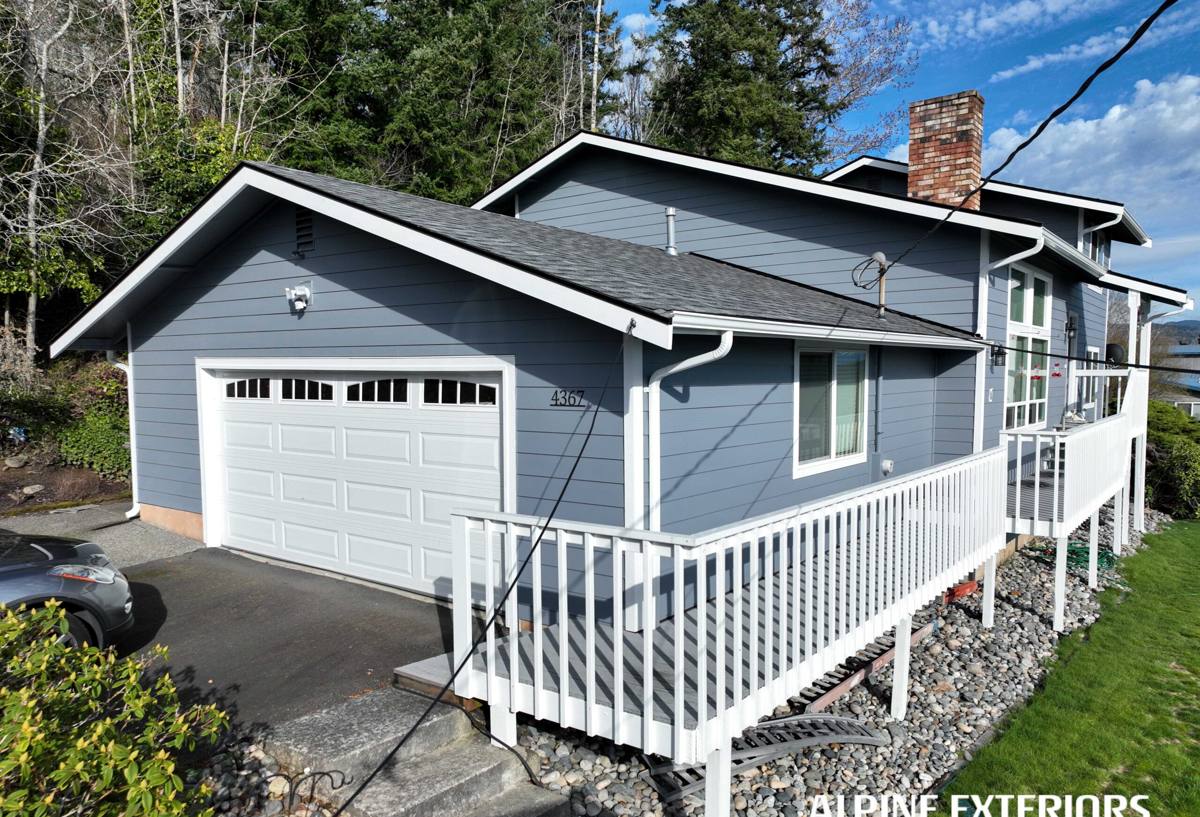
What Storm Damage Actually Looks Like Here
Storm damage isn't always a hole in the roof. In Sarasota, most of what we repair after a wind or rain event falls into a handful of categories, and homeowners often only notice the obvious ones.
Wind Damage
Sustained tropical-storm or hurricane-force wind lifts shingle edges, breaks the adhesive seal strip, and can tear tabs off completely. Sometimes the shingle stays in place but the seal is broken — the roof looks intact but is no longer wind-rated or watertight in that spot. This kind of damage is easy to miss from the ground.
Wind-Driven Rain Intrusion
Rain that comes in nearly horizontal during a storm finds every gap in flashing, vent boots, and roof-to-wall transitions. It doesn't need a missing shingle to get in — it just needs an aging sealant joint or a flashing lap that's a half-inch short.
Impact and Debris Damage
Downed branches, loose gutters, or airborne debris can bruise or puncture shingles, dent metal roofing or flashing, and crack tile. Bruised shingles often look fine but lose their granule protection and fail early.
UV and Heat-Accelerated Wear
This one isn't a single storm event, but it sets the stage for storm damage to matter more. A roof that's already brittle from years of Florida sun has far less flexibility to handle wind uplift or hail impact without cracking.
Salt Air Corrosion
Metal fasteners, flashing, and drip edge closer to the bay and Gulf corrode faster than the same materials would inland. Corroded fasteners back out under wind load, which is often the real reason a "storm" pulled shingles loose.
| Damage Type | Common Cause | Why It's Easy to Miss |
|---|---|---|
| Broken shingle seal | Sustained high wind | Shingle stays in place, looks normal from ground |
| Flashing separation | Wind-driven rain, thermal cycling | Leak shows up inside days or weeks later |
| Granule loss / bruising | Hail or debris impact | No visible hole, but shingle life is shortened |
| Corroded fasteners | Salt air over time | Not obvious until fasteners back out under wind |
| Soft decking | Slow leak after storm damage | Only found by walking the roof or from the attic |
Our Storm Damage Assessment Process
When we come out after a storm, we're not just checking for missing shingles. A thorough inspection covers the whole system, because storm damage rarely shows up in only one place.
- Visual roof surface inspection — shingles, tile, or metal panels checked for lifting, cracking, bruising, and granule loss.
- Flashing and penetration check — chimneys, vent boots, skylights, and roof-to-wall transitions, which are the most common leak points after wind-driven rain.
- Gutter and drip edge review — storm damage to drainage components leads to water intrusion at the roof edge even when the field of the roof is sound.
- Attic and interior check where accessible — looking for water staining, damp insulation, or daylight through the decking that points to a leak already in progress.
- Documentation — photos and notes on every finding, dated and organized, whether or not you plan to file an insurance claim.
We give you a straight answer on what we find. If the damage is minor and cosmetic, we'll say so. If it's a real problem, we'll explain exactly what's failing and why, in plain terms, not a sales pitch.
Repair vs. Replacement: How We Decide
Not every storm-damaged roof needs to be replaced, and not every roof that "just needs a patch" should be patched. The right call depends on the roof's age, how widespread the damage is, and what's happening underneath the surface layer.
| Factor | Leans Toward Repair | Leans Toward Replacement |
|---|---|---|
| Roof age | Under half its expected lifespan | Near or past expected lifespan |
| Extent of damage | Isolated to one section or slope | Spread across most of the roof |
| Decking condition | Solid, dry decking underneath | Soft or water-stained decking found |
| Shingle/material condition elsewhere | Rest of roof still flexible and sound | Rest of roof already brittle or thinning from UV wear |
| Insurance scope | Adjuster approves targeted repair | Adjuster approves full replacement |
A roof that's ten years old with a good maintenance history and one damaged slope is usually a repair candidate. A roof that's already showing UV wear across the whole surface and takes storm damage on top of that is often better served by replacement, because a repair on a failing roof buys very little time.
Materials We Use for Storm-Resilient Repairs
What goes back on the roof matters as much as the repair itself. In a climate that cycles between intense heat, UV, and wind-driven rain, we choose materials and methods based on how they hold up here specifically, not just what's cheapest to install.
Shingles
We match repairs to wind-rated architectural shingles designed for high-wind zones, and we install them to the fastening pattern that rating requires — not the minimum. A shingle rated for high wind that's under-fastened performs like a standard shingle.
Flashing and Sealants
We favor metal flashing details over sealant-dependent shortcuts wherever possible. Sealant has its place, but it degrades under constant UV exposure faster than a properly lapped and fastened flashing detail does. Where sealant is used, it's a maintenance item we'll flag, not a permanent fix.
Fasteners
Given the salt air in this part of Sarasota County, we use corrosion-resistant fasteners rather than standard-grade ones. It costs a little more up front and saves the roof from the slow fastener failure that causes so many "mystery" wind losses years down the line.
The Repair Process, Step by Step
Once we've assessed the damage and agreed on scope with you, the actual repair work follows a consistent sequence:
- Secure and tarp any active leak point immediately if the roof is still exposed, before scheduling permanent repair.
- Remove damaged material back to sound decking and roofing on all sides of the repair area, not just the visibly broken piece.
- Inspect and repair or replace decking that's soft, delaminated, or water-stained.
- Install new underlayment in the repair zone, tied properly into the surrounding existing underlayment.
- Reinstall flashing at any disturbed penetrations or transitions using new material, not reused flashing.
- Install matching roofing material with correct fastening pattern and exposure.
- Final walk-through with photos, so you have a clear record of what was done.
We don't consider a storm repair finished until the surrounding area is checked too — a roof that took damage in one spot often has related wear nearby that's worth addressing at the same time rather than waiting for the next storm to find it.
Working With Your Insurance Claim
Most storm damage repairs in this area involve an insurance claim, and the documentation from the initial assessment is what supports that claim. We provide detailed photos, written findings, and a clear scope of work that your adjuster can review. We're not a public adjuster and we don't negotiate your policy for you, but we make sure the roofing side of the claim is documented accurately and completely, which is often where claims run into trouble. If an adjuster's scope misses something we found during inspection, we'll point it out so you can raise it before the claim is closed.
Why a Downtown Sarasota Crew Makes a Difference
After a storm moves through Sarasota, roofing crews from outside the area sometimes show up canvassing neighborhoods for quick work. A local crew that's still going to be here next year, and the year after, has a different relationship with the work. We're not trying to close a fast deal before we move to the next county — we're repairing roofs on homes near the ones we've already worked on, in a city where word travels between neighbors.
Being local also means faster response after a storm, familiarity with the specific mix of roofing materials common in Downtown Sarasota's housing stock, and a working knowledge of how this coastal climate actually behaves versus how a manufacturer's spec sheet says it should. That local experience shows up in small decisions throughout a repair — which fastener to use, how much flashing overlap to build in, which trouble spots to double-check — that a generic repair job might skip.
What to Do Right After a Storm
If your roof has been through wind or heavy rain, a few simple steps in the first day or two can prevent minor damage from turning into a bigger repair.
- Check the attic or ceiling for water stains, damp spots, or new odors as soon as it's safe to do so.
- Look at the roof from the ground for obvious missing or lifted shingles, displaced tile, or damaged gutters — don't climb up yourself.
- Clear debris away from roof valleys and gutters if it's safely reachable, so water isn't pooling against the roof surface.
- Take dated photos of any visible exterior damage before cleanup, for your own records and any future claim.
- Avoid patching with tarps or sealant yourself unless it's a genuine emergency leak — improper temporary fixes can complicate a proper repair later.
- Call for an inspection promptly, even if damage looks minor — small storm damage left unaddressed through Florida's humidity and rain cycles turns into rot and interior damage.
Maintenance That Prevents the Next Storm From Doing More Damage
A roof that's well maintained going into a storm sustains less damage than one that's already weakened. Simple, regular upkeep matters more in Sarasota's climate than in milder ones:
- Keep gutters and downspouts clear so wind-driven rain has somewhere to go besides under the shingles.
- Trim back tree limbs that overhang the roof, since they're a leading source of impact damage in wind events.
- Have flashing and sealant joints checked every couple of years, since UV exposure breaks down sealant faster here than in most climates.
- Address small leaks immediately rather than waiting, since Florida humidity accelerates hidden decking damage once moisture gets in.
If you're dealing with storm damage on a Downtown Sarasota home, or you just want a professional set of eyes on your roof before the next system rolls through, we're glad to come take a look. We offer a free, no-pressure estimate — use the form below to get started.