 Sarasota Siding
 Building a Deck That Actually Belongs in Venice
Venice sits close enough to the Gulf that salt-laden air, near-constant UV exposure, and the threat of tropical storms and hurricanes are simply part of owning a home here. A deck built the way it might be built in a drier, cooler inland climate will not hold up the same way in this part of Sarasota County. Fastener corrosion happens faster. Wood dries, cups, and checks under the sun. Wind-driven rain finds its way into ledger connections that weren't flashed correctly. None of this is exotic knowledge to a crew that works Venice regularly — it's just the baseline you have to design around.
A custom deck built for this area needs to be evaluated on four things: how it handles wind uplift and structural loads, how it sheds and drains water, how its fasteners and hardware resist corrosion, and how the decking surface itself tolerates UV and heat. Get those four right and the rest — layout, railings, finish — is largely a matter of taste and budget.
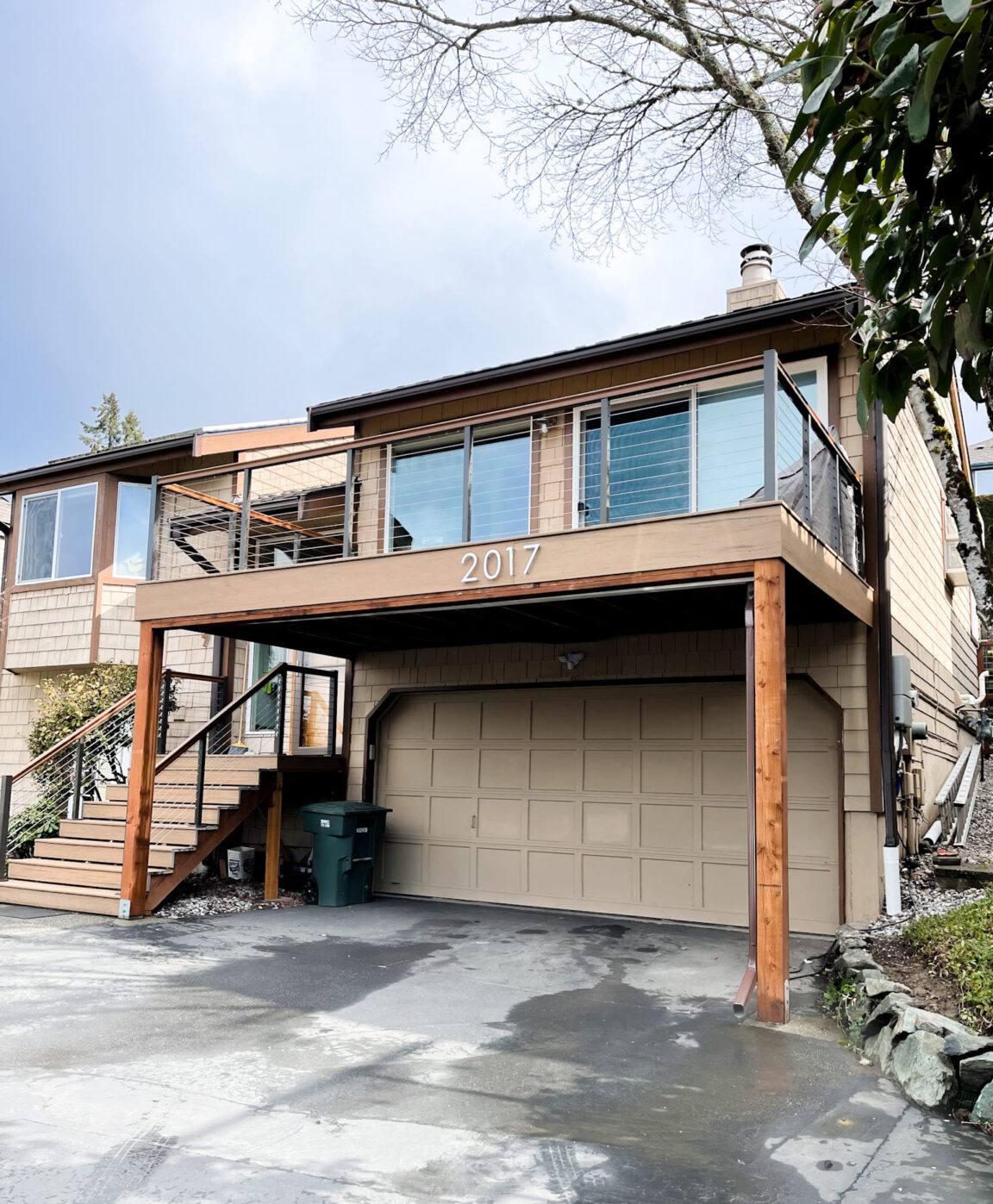
What Venice's Climate Actually Does to a Deck
Wind and Storm Loading
Sarasota County falls within Florida's high-velocity coastal wind zones, and Venice's proximity to the Gulf means decks, especially elevated ones, need to be engineered and fastened for uplift and lateral loads, not just vertical weight. This affects footing depth, post-to-beam connections, joist hangers, and how the structure ties back to the house. A deck that "looks sturdy" but was framed with builder's-grade hardware and undersized fasteners is a liability the first time a tropical system rolls through.
UV and Heat
Florida sun is intense and consistent nearly year-round. Wood decking without proper finish maintenance will gray, split, and splinter faster here than in most of the country. Composite decking that isn't rated for high-heat, high-UV climates can fade unevenly or, in darker colors, get uncomfortably hot underfoot. Material selection has to account for this from the start, not as an afterthought.
Wind-Driven Rain and Moisture
Storms in this region rarely come straight down — wind pushes rain sideways and up under overhangs and ledger boards. Any point where the deck attaches to the house needs proper flashing and a moisture barrier, or you're building a slow leak into the structure that won't show itself until there's rot in the rim joist or sheathing behind it.
Salt Air Corrosion
Even a few miles inland from the Gulf, airborne salt accelerates corrosion on anything that isn't rated for coastal exposure. Standard zinc-coated fasteners and hardware can start rusting and staining decking within a couple of seasons. This is one of the most common shortcuts we see on decks that weren't built by a crew familiar with the area.
Designing a Custom Deck for a Venice Property
Every property is different — lot size, elevation, proximity to canals or the coast, how the home is oriented to sun and prevailing wind. A custom deck should reflect that instead of following a one-size layout. Things we walk through with homeowners before drawing anything up:
- How the deck will actually be used — dining and grilling, lounge space, pool surround, or a quiet morning-coffee spot
- Sun exposure through the day and whether shade structures or orientation changes make it more usable
- Grade and drainage around the footprint, so water isn't directed back toward the foundation
- Whether the deck ties into a screened enclosure or pool cage, which changes framing and permitting requirements
- Railing style and height requirements based on deck elevation above grade
- Existing exterior finishes (siding, trim, roofline) so the deck reads as part of the house, not an add-on
Decking Material Options
There's no single "right" material for every home — it's a trade-off between upfront cost, maintenance commitment, and how the material behaves in Gulf Coast conditions.
| Material | Upfront Cost | Maintenance | How It Handles This Climate |
|---|---|---|---|
| Pressure-treated pine | Lowest | Regular sealing/staining, roughly every 1-2 years | Affordable but most vulnerable to UV graying, splitting, and moisture cycling without upkeep |
| Composite decking | Mid-to-high | Occasional cleaning, no staining or sealing | Handles UV and moisture well when a climate-appropriate product is chosen; consistent performance over time |
| Tropical hardwoods (e.g., ipe) | High | Periodic oiling to maintain color, or left to weather gray | Naturally dense and rot-resistant, but requires correct fastening and occasional attention to stay looking its best |
| PVC decking | Mid-to-high | Low — cleaning only | Fully moisture-resistant; good option for low-lying or flood-prone areas near canals |
We'll walk through actual product lines and honest cost ranges once we've seen the site — square footage, framing complexity, and railing choice move the number more than the decking material itself does.
What a Correctly Built Deck Involves
Footings and Framing
Footing depth and size have to account for Florida's soil conditions and the structural loads specific to a coastal wind zone — this isn't a place to guess or reuse a generic span table without checking it against local code. Beams and joists should be sized for the actual span and load, not just "what's always worked," and hurricane ties or straps belong at every post-to-beam and beam-to-ledger connection where the county requires them.
Ledger Attachment and Flashing
Where a deck attaches to the house, the ledger board needs to be through-bolted (not just lag-screwed in most cases) and properly flashed with a moisture barrier behind it. This is the single most common failure point we see on older or poorly built decks in this area — water gets behind the ledger, and rot spreads into the house framing before anyone notices from the surface.
Fasteners and Hardware
Coastal-rated stainless steel or heavily coated fasteners and connectors are worth the modest upcost. Standard hardware corrodes faster in salt air, and once fasteners start failing, the structural integrity of the whole deck is in question — not just the cosmetics.
Drainage Under and Around the Deck
Grading beneath the deck should direct water away from the house and away from the footings. On lower-elevation Venice lots, especially those near canals or with a high water table, this matters even more — standing water under a deck accelerates wood decay and can undermine footings over time.
Permitting and Inspection
Sarasota County requires permits for most deck construction, particularly anything attached to the house or elevated above a certain height. Permitted work gets inspected at the framing stage, which is a genuine safeguard — it catches undersized framing or missing hardware before the decking goes down and hides it. Skipping permits to save time or money is one of the more common regrets we hear about from homeowners who bought a property with an unpermitted deck already in place.
Our Process for a Venice Deck Project
- On-site assessment: We look at grade, drainage, sun exposure, existing structure (if replacing a deck), and how the space connects to the rest of the home.
- Design and material selection: We talk through layout, decking material, railing style, and any shade or screening elements, with honest trade-offs on cost and maintenance for each option.
- Permitting: We handle the permit application and engineering documentation required by Sarasota County for the scope of work.
- Framing and structural work: Footings, framing, ledger attachment, and hardware are all installed to code, with hurricane-zone connections where required.
- Decking, railing, and finish work: Surface material and railings go in, along with any stairs, lighting, or fascia detailing.
- Final walkthrough and inspection: We confirm the county inspection passes and walk the finished deck with you before calling the job done.
Maintenance That Actually Matters Here
What a deck needs to stay in good shape in Venice depends heavily on the material chosen, but a few things apply across the board:
- Rinse salt residue and debris off the decking surface periodically, especially after storms
- Check railing posts and stair connections annually for any looseness or corrosion at fasteners
- Keep gutters and nearby drainage clear so water isn't pooling near footings
- If you have wood decking, plan on resealing or restaining on a regular schedule rather than waiting until it visibly needs it
- After any major storm, do a quick visual check of ledger flashing and hardware for signs of water intrusion or shifted connections
Why Hiring a Crew That Already Works Venice Matters
A contractor who builds regularly in Venice and the surrounding Sarasota County area already knows the wind zone requirements, the county's permitting process, and the specific ways this climate wears down a structure over time. That translates into fewer surprises — footings sized correctly the first time, hardware that won't need replacing in three years, flashing details that don't turn into a rot problem down the line. It also means someone who understands how a deck should tie into the rest of your home's exterior, from siding to rooflines, rather than treating it as a standalone add-on project.
If you're planning a new deck, replacing an aging one, or just want an honest opinion on whether an existing deck was built to hold up here, we're happy to take a look and talk through your options. Reach out for a free, no-pressure estimate using the form below.