 Sarasota Siding
 Downtown Sarasota Windows Work Harder Than Most
Homes and condos near Downtown Sarasota sit close to the water, which means every window in the house is dealing with more than average wear. Wind-driven rain off the bay finds its way into weak seals. Salt-laden air corrodes hardware and pits aluminum frames faster than it would a few miles inland. Intense, near-constant Florida UV bakes vinyl, breaks down seal compounds, and fades interior finishes through glass that isn't rated to block it. Add in the real risk of hurricane-force wind loading and airborne debris during storm season, and it's clear that a window job here isn't just about looks or a lower utility bill — it's a structural and weatherproofing decision.
We install windows across Sarasota County, but Downtown Sarasota gets its own approach. The area's mix of older bungalow-style homes, mid-century construction, newer infill builds, and condos along the bayfront each present different framing conditions, different wall assemblies, and in some cases different design review requirements. A window that's correctly installed in a 1950s frame house isn't installed the same way in a poured-concrete condo unit, and getting that distinction right is most of what separates a window that lasts twenty years from one that leaks in three.
What "Correctly Installed" Actually Means Here
A window installation is only as good as the opening it goes into and the seal around it. In this climate, that means:
- Full removal and inspection of the old opening for hidden water damage, rot, or corroded fasteners before anything new goes in
- Flashing and a continuous drainage plane so any water that gets past the frame has somewhere to go besides your wall cavity
- Sealants and backer rod rated for sustained UV and temperature swings, not general-purpose caulk that hardens and cracks within a couple of seasons
- Corrosion-resistant fasteners and hardware — stainless steel or coated, not standard-grade — since salt air will find and attack any weak point
- Correct anchoring into structural framing or concrete, sized and spaced to the wind load the opening actually needs to carry
Skipping any one of these doesn't usually show up on day one. It shows up eighteen months later as a soft spot under a sill, a musty smell in a closet on an exterior wall, or a frame that's already chalking and discoloring from sun exposure. Most of the window problems we get called out to fix started as an installation shortcut, not a bad product.
Common Problems We See in Older Downtown Homes
A lot of housing stock in and around Downtown Sarasota predates current wind and impact codes. Original single-pane wood windows and aluminum-frame units from the 1970s and 80s are still common, and they tend to share the same issues:
- Glazing putty or seals that have dried out, letting in drafts and moisture
- Aluminum frames that have oxidized or pitted from decades of salt exposure
- Wood frames with rot at the sill from years of wind-driven rain intrusion
- Single-pane glass doing almost nothing to block heat gain or UV
- No impact protection at all, relying on plywood or tape during storms
None of that is a knock on the homes — they were built to a different standard, in a different era. It just means a replacement project is usually about more than swapping glass; it's an opportunity to bring the whole opening up to what current wind and moisture conditions actually demand.
Impact Glass, Wind Load, and What the Code Expects
Sarasota falls within Florida's coastal wind-borne debris region under the Florida Building Code. In practical terms, that means replacement windows in this area generally need to either be impact-rated themselves or be paired with code-approved storm protection, and the products used need documented approval for Florida wind conditions. Sarasota County reviews window replacement permits against these standards, checking the product's approval documentation and how it's anchored into your specific wall type.
This isn't paperwork for its own sake. A window that isn't rated for the wind load at your address is a liability in a storm — not just for the glass itself, but because a failed window lets pressure and water into the house, which is how roof and interior damage usually starts. We only install products with valid Florida product approval for the wind zone and exposure category your home falls under, and we handle the permit submission and inspection scheduling as part of the job.
Impact Glass vs. Traditional Storm Shutters
Both can satisfy code, but they solve the problem differently. Impact glass stays in place permanently — no deploying anything before a storm, no storage, and it still blocks UV and cuts noise every day the storm isn't happening. Shutters cost less up front but require you to actually put them up before a storm hits, which isn't always realistic with short notice, and they do nothing for daily UV or efficiency. We'll walk through both honestly based on your budget and how the home is used.
Frame Materials: What Actually Holds Up Downtown
Frame material matters as much as the glass in a salt-air, high-UV environment. Here's how the common options compare for this specific area:
| Material | Salt Air Resistance | UV/Fade Resistance | Typical Cost Position | Notes |
|---|---|---|---|---|
| Vinyl (impact-rated) | Good | Good with quality UV inhibitors | Moderate | Most common choice for replacements; won't corrode |
| Aluminum | Fair — needs coating/maintenance | Good | Moderate to higher | Strong for large openings; watch for pitting near the coast without proper finish |
| Fiberglass | Excellent | Excellent | Higher | Very stable in heat and salt air; higher upfront cost |
| Wood (untreated original) | Poor | Poor | N/A — legacy material | Common in older homes; typically not what we recommend replacing like-for-like here |
We don't push one material on every job. A vinyl impact unit is the right call for most single-family homes here on cost and performance. Fiberglass earns its higher price on homes with heavy direct sun exposure or where a homeowner wants the least maintenance possible over the long run. We'll size up the specific openings and sun exposure at your home before recommending either.
Our Installation Process
- On-site assessment — we measure every opening, check the condition of the existing framing, and note sun exposure and wind exposure for each elevation of the house
- Product selection — we match glass, frame, and impact rating to your budget and how exposed that side of the house is
- Permit submission — we handle the Sarasota County paperwork and product approval documentation so you don't have to chase it
- Removal and prep — old units come out, we inspect and repair any hidden rot or damage before it's covered up again
- Installation — proper flashing, sealing, and anchoring to the wind load the opening requires
- Final inspection and walkthrough — county inspection scheduled, and we walk the finished openings with you before calling the job done
We don't skip the permit and inspection steps to save time. An uninspected window replacement can complicate insurance claims and home sales down the road, and it's not worth the risk to shortcut it.
Permits and Inspections in Sarasota County
Window replacement in Sarasota County requires a permit in nearly all cases, and inspections confirm the product approval and anchoring match what was submitted. If your property sits within one of the designated historic neighborhoods near downtown, there may also be additional design review for anything visible from the street — we'll flag that early if it applies to your address, rather than let it surface as a surprise mid-project. None of this needs to slow a project down much; it just needs to be done in the right order, which is where a crew that pulls permits in this county regularly has an edge over one learning the process for the first time.
Why a Downtown-Experienced Crew Matters
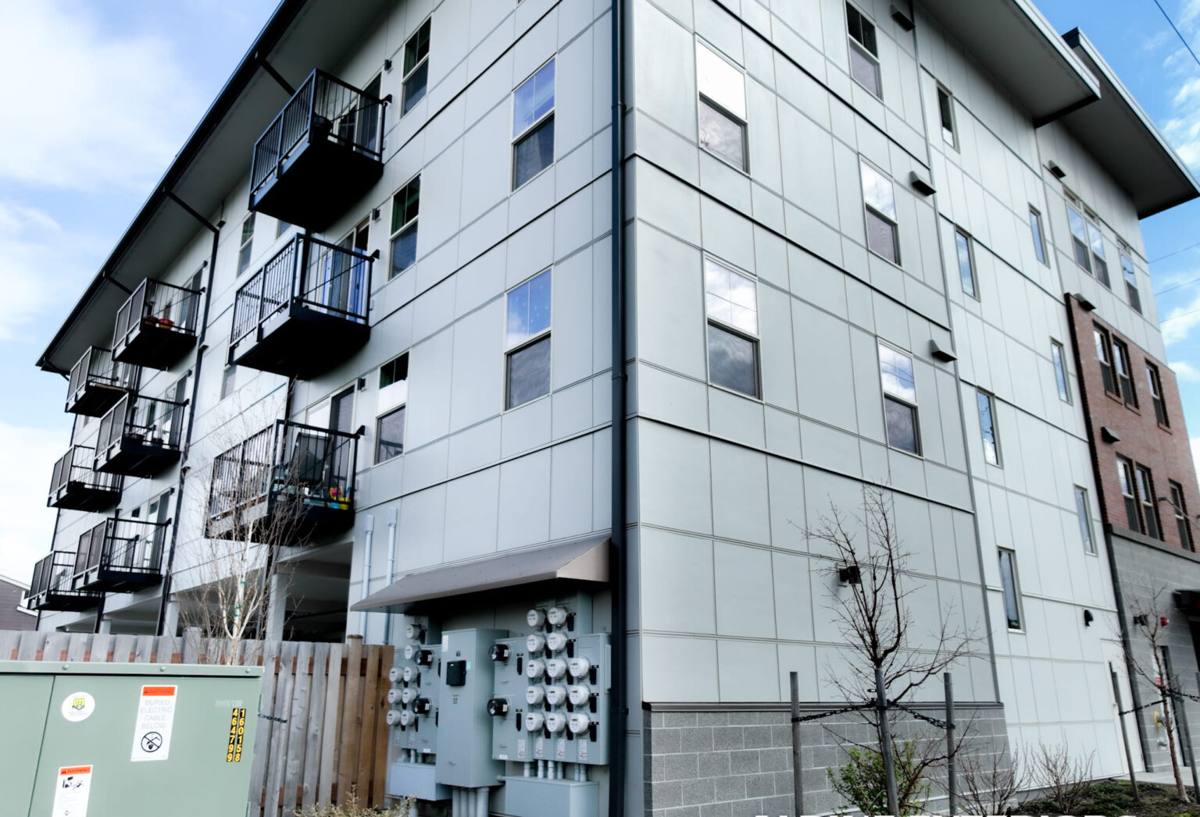
Downtown Sarasota properties often come with tighter lot lines, shared walls or close setbacks with neighbors, limited staging space for equipment, and in some cases condo association rules about work hours, access, and approved exterior appearance. A crew that's worked in this specific area knows how to plan a job around those constraints instead of discovering them on day one. That familiarity also extends to the county's permitting office and inspectors — knowing what documentation they expect the first time avoids the back-and-forth that stalls a job for weeks.
It also matters after the install. A local crew is who you call if a seal needs a look after the first big storm season, not a company that's moved on to another county. That accountability is worth as much as the installation itself.
Questions to Ask Before You Hire
Not every company installing windows in Sarasota County treats coastal conditions the same way. Before you sign anything, ask:
- Are you licensed and insured to do this work in Sarasota County, and can I see current documentation?
- Will you pull the permit and schedule the inspection, or is that left to me?
- What's the wind/impact rating and Florida product approval number for the windows you're proposing?
- What fasteners and anchoring method will you use for my specific wall construction?
- What's the warranty on the product versus the warranty on your installation labor?
- Have you worked on homes or condos in this specific area before?
A contractor who answers these clearly and specifically, without hedging, is generally one who does this work correctly and often.
Get a Straightforward Estimate
If you're weighing a window replacement for a home or condo near Downtown Sarasota, we're happy to take a look, walk you through what your specific openings need given their sun and wind exposure, and give you an honest estimate — no pressure, no inflated urgency. Use the form below to get started.