 Sarasota Siding
 Downtown Sarasota sits close to the water, which means every roof here is doing more work than it looks like. Between Sarasota Bay and the Gulf, homes and condos in the downtown core deal with salt-laden air, near-constant UV exposure, sudden wind-driven downpours, and the real possibility of hurricane-force wind loads. A roof replacement done right in this part of Sarasota County isn't just a shingle swap — it's a system built to hold up against all of that at once. This page walks through what that actually takes.
Why Downtown Sarasota Roofs Wear Out Faster Than People Expect
A lot of homeowners are surprised when a roof that "looks fine" from the street fails an inspection or starts leaking well before its rated lifespan. In Downtown Sarasota, that's rarely random bad luck — it's the climate doing what it does.
Salt Air and Corrosion
Being close to Sarasota Bay means airborne salt settles on everything, including your roof. Salt accelerates corrosion of exposed metal fasteners, flashing, and drip edge, and it breaks down sealants faster than the same materials would wear in an inland climate. A roof spec'd for a landlocked city often underperforms here.
Year-Round UV Load
Florida sun is intense and consistent almost every month of the year. UV breaks down the asphalt oils in shingles, dries out sealant strips, and fades and embrittles anything not rated for high UV exposure. Roofs in this climate age on a different curve than roofs up north.
Wind-Driven Rain
It's rarely a gentle vertical rain here — storms tend to come in sideways. Wind-driven rain finds every weak seam, under-lapped shingle, and poorly sealed penetration. A roof can be "not leaking" in a straight-down rain and still leak badly the first time wind pushes water sideways under the edge.
Hurricane-Force Wind
Sarasota County sits in a coastal wind zone under the Florida Building Code, and Downtown Sarasota's mix of older bungalows, mid-century homes, and condo and townhome buildings all carry real exposure during named storms. Fastening patterns, underlayment attachment, and edge metal all matter more here than in most parts of the country.
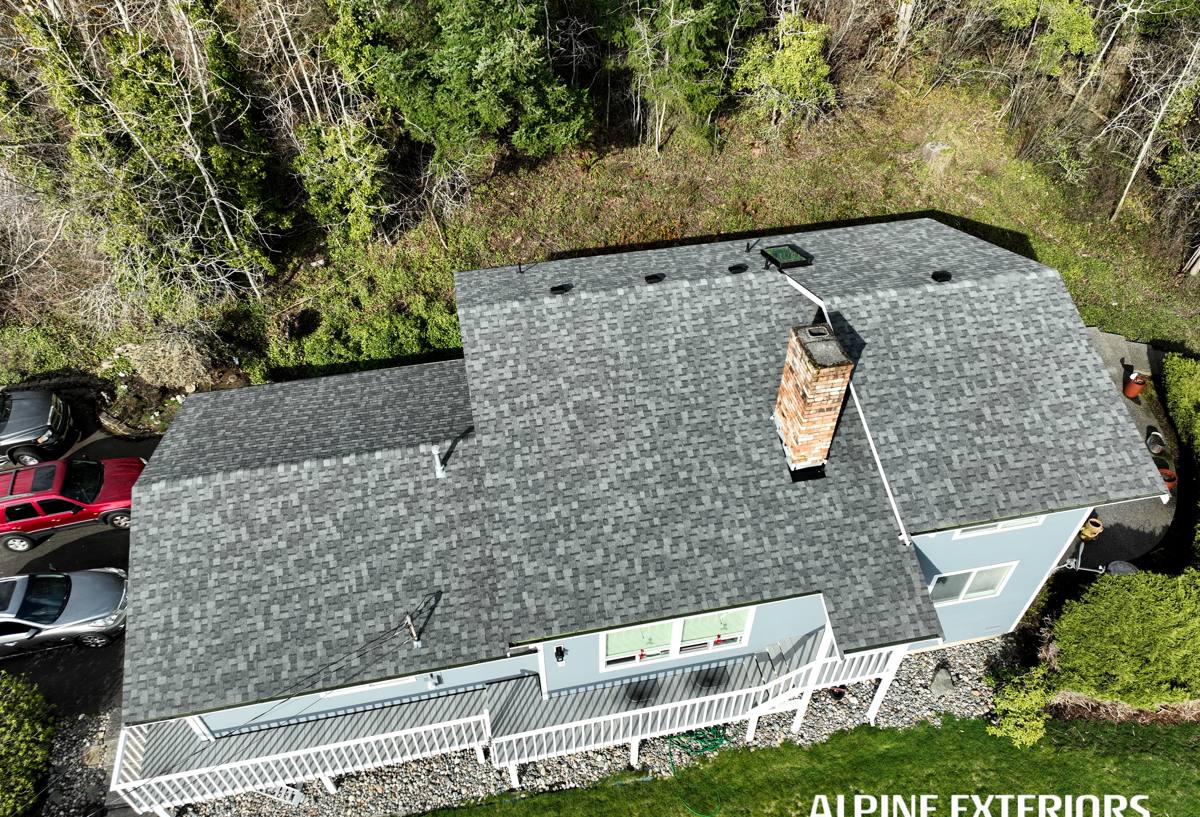
Signs It's Time to Replace, Not Repair
Not every roof problem calls for a full replacement — but in this climate, patch jobs on an aging roof tend to buy less time than homeowners expect. Here's what usually tips the decision toward full replacement:
- Granule loss heavy enough that you're finding grit in gutters or at downspouts regularly
- Shingles that are curling, cupping, or have gone brittle from UV exposure
- Multiple past repairs in different areas of the roof rather than one isolated issue
- Visible daylight, staining, or soft spots in the attic decking
- A roof approaching or past 15-20 years old with asphalt shingles, especially with no documented recent tear-off
- Rusted or lifting flashing around chimneys, skylights, or wall-to-roof transitions
- Difficulty getting affordable insurance coverage or a passing 4-point inspection because of roof age or condition
What Actually Goes Into a Correct Roof Replacement
A roof replacement is only as good as what happens underneath the new material. In a coastal wind zone, the details that don't show from the curb are the ones that decide whether the roof holds up in the next storm.
Full Tear-Off, Not Overlay
Roofing over existing shingles hides problems instead of fixing them and adds weight without adding real wind performance. A correct replacement strips the roof to the deck so every layer underneath can be inspected and rebuilt properly.
Deck Inspection and Repair
Once the old roofing is off, the plywood or board decking gets checked for rot, delamination, and soft spots — common where old flashing or valleys have been letting moisture in for years. Bad sections get replaced before anything new goes down, because new shingles fastened into weak decking won't hold in high wind regardless of the product used.
Underlayment Built for This Climate
A synthetic or self-adhering underlayment sets the real waterproofing layer beneath the visible roofing. In wind-driven rain conditions, this layer — and how it's fastened and lapped — matters as much as the shingle or panel choice on top.
Flashing and Edge Metal
Chimneys, skylights, walls, and roof edges are where most leaks actually start. Correctly formed and fastened flashing, along with proper drip edge at the eaves and rakes, keeps wind-driven rain from finding a way in and helps the roof's edge resist being the first thing wind gets under during a storm.
Ventilation
Proper intake and exhaust ventilation keeps attic temperatures and moisture in check, which matters both for shingle lifespan under constant Florida sun and for keeping humidity from building up in the roof structure.
Wind-Rated Fastening
Nailing patterns, fastener count, and fastener placement are specified for a reason in coastal wind zones. Skipping the correct pattern to save labor time is one of the most common corners cut in this trade, and it's the first thing that shows up as damage in the next major storm.
Roofing Materials That Make Sense for This Climate
There's no single "best" roofing material for every home — it depends on the structure, budget, and how long you plan to own the property. Here's an honest comparison for a coastal Sarasota County setting:
| Material | Typical Lifespan Here | Wind Performance | Maintenance |
|---|---|---|---|
| Architectural asphalt shingle | 15-25 years, depending on product and installation | Good, when installed with correct wind-rated fastening | Low to moderate; periodic inspection recommended |
| Standing seam metal | 30-50 years | Excellent, among the best options for high-wind exposure | Low; occasional fastener and sealant checks |
| Concrete or clay tile | 30-50 years | Good, but individual tiles can dislodge in extreme wind if not properly fastened | Moderate; underlayment beneath tile has a shorter service life than the tile itself |
For homes near the bay, we generally steer clients away from lower-grade 3-tab shingles and toward architectural shingles, metal, or tile — the thinner, lighter-duty products just don't hold up as well against sustained UV and salt exposure, and their wind ratings are typically lower.
Permits, Wind Mitigation, and Insurance
A roof replacement in Sarasota County requires a permit, and the work has to meet current Florida Building Code wind and moisture-barrier requirements — not whatever standard was in place when the home was originally built. This matters most on older Downtown Sarasota homes, where a like-for-like repair can actually fall short of what code now requires.
After a new roof goes on, it's worth scheduling a wind mitigation inspection. This documents features like roof shape, deck attachment, and roof-to-wall connections that insurers use to calculate premium discounts — a new roof built to current code can meaningfully lower your homeowner's insurance cost, not just reduce risk of damage. If your home is older, you may also be dealing with a 4-point inspection requirement from your insurer, and roof condition is one of the four items reviewed.
Our Replacement Process, Start to Finish
- Inspection and estimate — we look at the whole roof system, not just the surface, and walk you through what we find before recommending replacement versus repair.
- Material selection — we go over the honest tradeoffs between shingle, metal, and tile for your specific home and budget.
- Permitting — we pull the required Sarasota County or City of Sarasota permit and handle the inspections that go with it.
- Tear-off and deck repair — full removal of the old roofing, with any damaged decking replaced before moving forward.
- Underlayment, flashing, and ventilation — the waterproofing and airflow systems go in correctly, not just "close enough."
- Final install — shingles, metal, or tile installed with wind-rated fastening specific to your roof's exposure.
- Final inspection and cleanup — passing the permit inspection, a full site cleanup, and a walkthrough so you know exactly what was done.
Timing a Replacement Around Hurricane Season
Ideally, roof replacement work happens well ahead of hurricane season, or in the calmer stretch of late fall through winter when scheduling is more flexible and material lead times are shorter. That said, roofs don't always wait for convenient timing — if you're dealing with active leaks or storm damage, getting a temporary dry-in done quickly and scheduling the full replacement as soon as materials and crews allow is the right move, regardless of the calendar.
Why Hiring a Crew That Already Works in Downtown Sarasota Matters
Roofing crews that mostly work inland don't always think about salt-air corrosion, coastal wind exposure, or the mix of older and newer construction you find close to downtown. A crew that already works this specific area brings a few practical advantages:
- Familiarity with Sarasota County and City of Sarasota permitting and inspection expectations, so projects don't stall on paperwork
- Experience with the older housing stock common downtown, including decking and structural quirks that show up once tear-off starts
- An understanding of which materials and fastening specs actually hold up this close to the bay, versus what's "standard" elsewhere
- Faster response and scheduling in the area, which matters more when storm damage or an active leak is involved
If you're weighing repair versus replacement, or just want an honest read on where your roof actually stands, we're happy to take a look. Reach out for a free, no-pressure estimate using the form below.