 Sarasota Siding
 Why Bee Ridge Siding Takes a Harder Hit Than Most People Expect
Bee Ridge sits inland from the Gulf compared to the barrier islands, but "inland" in Sarasota County doesn't mean sheltered. Salt-laden air moves off the Gulf and Sarasota Bay on the prevailing breeze and settles on every exterior surface in the area, siding included. Add in Florida's relentless UV load, and any siding material that isn't engineered to hold color and structure under constant sun exposure starts to fade, chalk, or degrade years ahead of schedule.
Then there's water. Sarasota County's summer storm pattern brings wind-driven rain that doesn't fall straight down — it gets pushed sideways into wall assemblies, seams, and trim joints. A siding system that isn't detailed correctly behind the surface (flashing, weather-resistive barrier, proper laps) will let that water in long before anyone sees a stain on the outside. And during hurricane season, sustained wind and wind-borne debris test every fastener and every seam on the house. Siding that looks fine in a light rain can still fail in a storm if it wasn't installed to hold under uplift and impact.
None of this is unique to Bee Ridge, but it's the reality every home in this part of Sarasota County lives with year-round. It's also exactly why we only install one type of siding, and why we're particular about how it goes on.
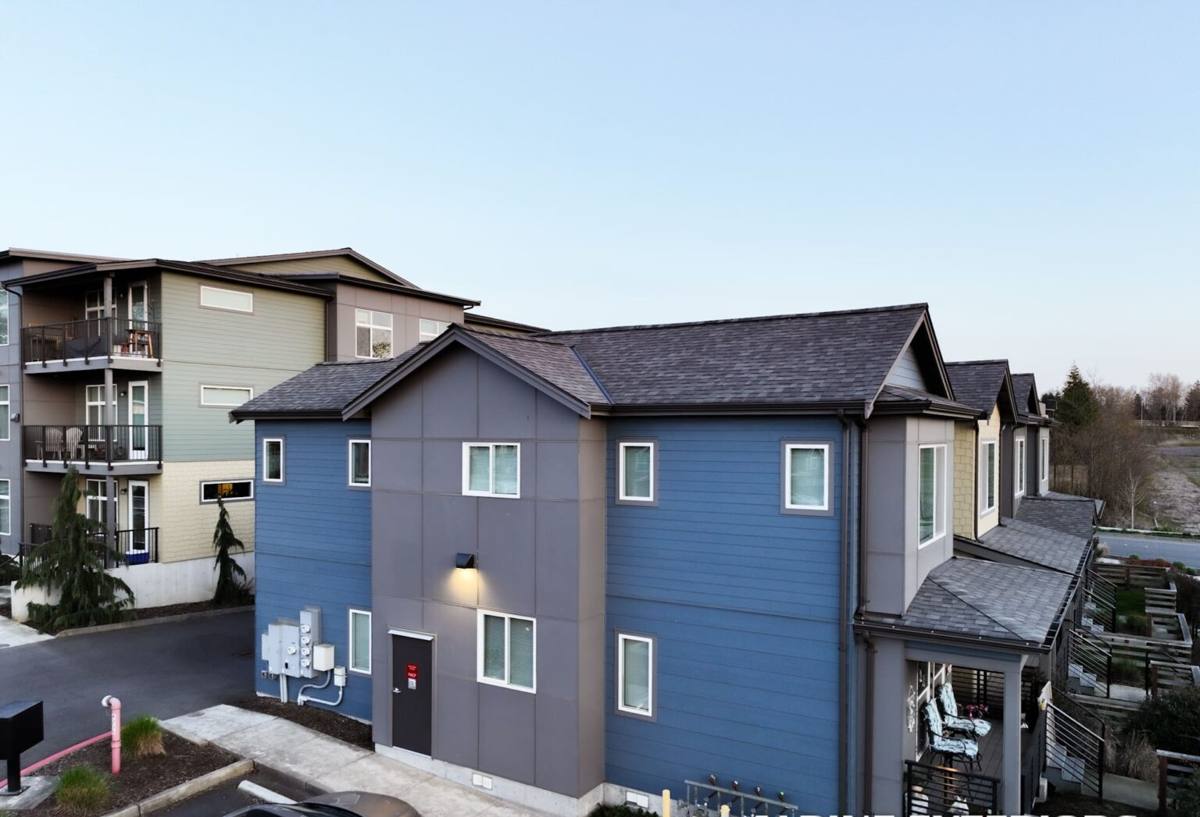
Signs a Bee Ridge Home Needs Siding Replacement, Not Another Patch
Homeowners often try to nurse old siding along with caulk and paint because a full replacement feels like a bigger project than it needs to be. Sometimes that's the right call. Other times, patching just delays a bigger repair bill. These are the signs worth taking seriously:
- Panels or boards that feel soft, spongy, or give under light pressure — usually a sign of trapped moisture and rot underneath
- Visible cracking, splitting, or buckling, especially along horizontal seams or at corners
- Paint that won't hold anymore, even after a fresh coat — often means the substrate underneath is failing
- Gaps opening up at trim, window casings, or where siding meets the roofline
- Dark streaking, mildew, or a musty smell near exterior walls, which can point to moisture getting behind the siding
- Noticeably higher cooling bills with no other explanation — failing siding can undermine your wall insulation's performance
- Storm damage that's been patched piecemeal over several seasons rather than properly repaired
If you're seeing two or more of these at once, it's usually a sign the underlying issue is bigger than the visible damage suggests.
What a Correct Siding Replacement Actually Involves
Tear-off and substrate inspection
A proper job starts with removing the old siding down to the sheathing, not covering over it. This is the only point in the project where you can actually see the condition of the wall behind the siding — soft sheathing, old water damage, or rot has to be found and repaired here, before anything new goes up. Skipping this step is the single most common shortcut that leads to problems five or ten years down the road.
Weather-resistive barrier and flashing
Every seam, window, door, and penetration needs to be flashed and integrated with a continuous weather-resistive barrier so that any water that does get past the siding has a way to drain out instead of soaking into the wall assembly. This is invisible once the job is done, which is exactly why it's the part most likely to get shortchanged by a crew in a hurry.
Fastening to spec for our wind zone
Fastener type, spacing, and placement aren't a matter of preference — they're specified by the manufacturer for your wind exposure, and Sarasota County's wind-load requirements matter here. Under-fastened siding might look identical to a correctly installed job on the day it's finished, but it's the difference between siding that stays put in a tropical storm and siding that peels off in one.
Trim, joints, and sealant detailing
Where boards meet trim, corners, and each other, the gaps and sealant joints have to be sized and finished correctly so they can move with temperature and humidity without cracking open. Poorly detailed joints are one of the most common places we see water intrusion start on older installations.
Factory finish versus field-applied paint
We install pre-finished siding with a factory-applied finish rather than relying on field-painted color. A factory finish is baked on under controlled conditions and backed by its own finish warranty — it holds color and resists the sun far longer than paint rolled on-site after installation.
Why We Install Only James Hardie Fiber Cement Siding
We made a deliberate decision to install one siding system: James Hardie fiber cement. We don't install vinyl, LP SmartSide, Cemplank, Allura, or primed wood and cedar siding. That's not a marketing position — it's a standard we hold because of what we've seen these materials do, and not do, in a climate like ours.
Fiber cement is non-combustible, which matters in a state where wildfire and lightning-strike risk exist alongside hurricanes. It doesn't warp, rot, or attract wood-boring insects the way untreated or primed wood products can. James Hardie's HZ product lines are engineered specifically for humid, high-moisture climates like Florida's, with moisture-resistant formulations built for exactly the conditions Sarasota County throws at a house all year. The ColorPlus factory finish is baked on in multiple coats and holds up to intense UV exposure far longer than standard field paint, which matters when your siding gets full Florida sun for a decade or more without shade relief.
That doesn't mean other products don't have their place. Vinyl is inexpensive and easy to source. LP SmartSide and cedar have a natural wood look some homeowners prefer. But each comes with a trade-off we're not willing to install and then stand behind: vinyl can soften, warp, or crack under sustained heat and is vulnerable to wind uplift in a storm; wood-based products, even engineered ones, require more diligent maintenance to keep moisture from becoming rot; and none of them carry a finish warranty that matches what Hardie backs its ColorPlus line with. When we're the ones putting our name on the installation, we want a product that's proven to hold up to Sarasota's specific combination of sun, salt, wind, and rain — installed to spec, not just installed.
How Fiber Cement Compares to Other Siding Materials in This Climate
| Factor | Vinyl | Wood / Engineered Wood | James Hardie Fiber Cement |
|---|---|---|---|
| Wind resistance | Can deform or detach under sustained high wind | Moderate; depends heavily on fastening and substrate condition | Engineered and rated for high-wind installation when fastened to spec |
| UV / color retention | Prone to fading and chalking over time | Requires repainting to maintain color and protection | ColorPlus factory finish resists fading far longer than field paint |
| Moisture / rot resistance | Doesn't rot, but can trap moisture behind panels | Vulnerable to rot and insect damage without diligent upkeep | Engineered for humid climates; doesn't rot |
| Fire performance | Combustible | Combustible | Non-combustible |
| Ongoing maintenance | Low, but limited repair options once damaged | Higher — regular painting and moisture checks needed | Low; occasional caulk and finish checks |
| Typical warranty structure | Varies widely by manufacturer and grade | Varies; often shorter on finish | Long-term product warranty plus separate ColorPlus finish warranty, transferable |
Our Siding Replacement Process, Start to Finish
- Inspection and measurement — we walk the exterior, check the substrate where accessible, and measure for an accurate material estimate.
- Product and color selection — we go over the relevant Hardie product line and ColorPlus color options for your home's style and exposure.
- Permitting — siding replacement in Sarasota County typically requires a permit; we handle the application and inspection scheduling.
- Tear-off and substrate repair — old siding comes off, sheathing is inspected, and any rot or damage is repaired before anything new goes up.
- Weather barrier and flashing installation — the wall gets a continuous drainage plane before a single piece of siding is hung.
- Siding installation — installed and fastened to manufacturer and local wind-zone specifications, with proper trim and joint detailing.
- Final walkthrough — we go over the finished job with you, address any punch-list items, and register your warranty.
What Drives the Cost of a Siding Replacement
Every Bee Ridge home is different, so we don't quote off square footage alone. The factors below are what actually move the number:
| Cost Factor | Why It Matters |
|---|---|
| Home size and number of stories | More surface area and staging complexity for taller walls |
| Substrate condition | Rot or water damage found at tear-off adds repair scope before new siding can go on |
| Trim and architectural detail | Corners, gables, and dormers take more labor and material than flat runs |
| Product line and profile | Different Hardie profiles and textures carry different material costs |
| Accessibility | Landscaping, fencing, or tight lot lines can affect staging and labor time |
| Permit and code requirements | Wind-zone compliance and inspection steps are part of doing the job correctly |
We won't give you a number without seeing the house — anyone quoting a full siding replacement over the phone without an inspection is guessing.
Why Hiring a Crew That Already Works in Bee Ridge Matters
A siding installer who regularly works in this part of Sarasota County already knows the wind-zone requirements the county inspector will check for, understands the permitting process here, and has a feel for the range of homes in the area — from older construction that may need extra substrate attention to newer builds with different sheathing and trim details. That local familiarity shows up in fewer surprises during tear-off, a smoother permit and inspection process, and a crew that isn't learning the local code requirements on your job.
It also matters after the job is done. A contractor with an established local presence is easier to reach if a question comes up down the line, and has a reputation in the community worth protecting — which is a better guarantee of follow-through than a traveling crew that's moved on to the next county.
Caring for Your New Siding After Installation
Fiber cement siding installed correctly is genuinely low-maintenance, but "low-maintenance" isn't "no-maintenance." A simple annual routine keeps it performing for the long haul:
- Rinse the exterior periodically to clear salt residue, pollen, and airborne grime, especially on sides facing prevailing winds
- Walk the exterior once a year and check caulk joints at trim, windows, and corners for cracking or separation
- Keep gutters and downspouts clear so water drains away from the wall line instead of running down the siding
- Trim back landscaping that holds moisture against the siding or blocks airflow along the wall
- Report any impact damage from storms promptly rather than letting it sit — small repairs stay small if they're addressed early
If you're weighing a siding replacement for your Bee Ridge home, we're happy to come take a look and give you a straight, no-pressure estimate — no obligation, just an honest read on what your home actually needs.