 Sarasota Siding
 Building a Deck That Actually Holds Up in Downtown Sarasota
A deck in Downtown Sarasota lives a harder life than the same deck would a few hundred miles inland. It sits in direct, near-constant UV for most of the year, takes wind-driven rain off the Gulf and Sarasota Bay, and deals with a steady dose of salt air that finds its way into every exposed fastener, hinge, and metal connector. On top of that, any structure attached to your home has to be built to withstand hurricane-force wind loads, not just look good on a calm afternoon. We build custom decks for this specific environment, not a generic deck that happens to be installed here.
That distinction matters more than most homeowners realize until something starts failing early. A deck built to a national average spec, with average fasteners and average flashing details, will often show problems in Sarasota within a few seasons that would have taken a decade to show up somewhere with milder weather. Our approach starts with the assumption that this is a coastal Gulf Coast project, and every material and connection decision gets made with that in mind.
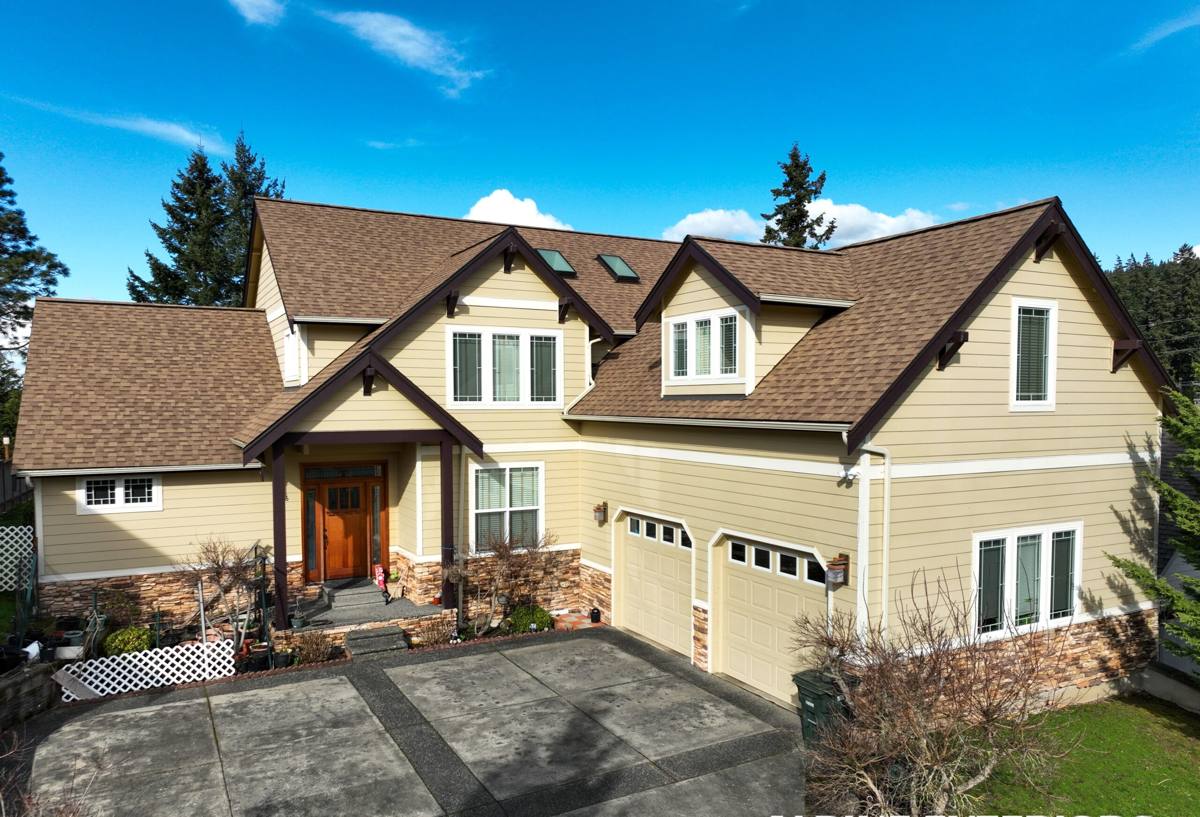
What Downtown Sarasota's Climate Actually Does to a Deck
It helps to be specific about the forces at work, because they don't all attack a deck the same way.
Sun and UV
Sarasota gets strong, direct sun for most of the year. UV breaks down the lignin in wood fibers, causing graying and surface checking, and it degrades many plastics and coatings over time if they aren't formulated for it. A deck surface with poor UV resistance will fade, chalk, or become brittle well before its structural life is over.
Wind-Driven Rain
Storms here don't just drop rain straight down — wind pushes it sideways, under railings, into ledger connections, and into any gap in flashing or trim. Water that would run off a flat roof detail elsewhere can get driven horizontally into a deck's structure, which is why flashing and drainage details matter more here than in calmer climates.
Hurricane-Force Wind Loads
Any deck attached to your house is effectively an extension of the structure, and it has to resist uplift and lateral loads during tropical storms and hurricanes. That means the connection between the deck and the house, and the connection between the deck and its footings, has to be engineered for real wind forces, not just gravity loads from people standing on it.
Salt Air
Being close to the Gulf and the bay means airborne salt settles on everything, including fasteners, brackets, and railing hardware. Ordinary galvanized fasteners can corrode faster here than the manufacturer's general rating suggests, and corroding fasteners are one of the most common hidden causes of deck failure in coastal Florida.
Choosing the Right Decking Material for This Location
There's no single "best" decking material for every home — it depends on budget, maintenance tolerance, and how the deck will be used. What we won't do is recommend a product or a build detail that we know performs poorly in this specific climate just because it's cheaper up front. Here's how the common options compare for a Downtown Sarasota project specifically.
| Material | UV & Fade Behavior | Moisture / Rot Risk | Salt Air Impact | Maintenance |
|---|---|---|---|---|
| Pressure-treated wood | Grays and checks without regular finishing | Higher if end cuts and fasteners aren't sealed | Fasteners are the weak point, not the wood itself | Annual cleaning and refinishing recommended |
| Tropical hardwoods (e.g., ipe-type species) | Grays over time unless oiled regularly | Naturally dense and rot-resistant | Needs corrosion-resistant hidden fasteners | Periodic oiling to maintain color and surface |
| Capped composite decking | Strong UV resistance with the cap layer | Very low — core doesn't absorb water like wood | Low, but hardware and framing beneath still need protection | Occasional washing, no staining or sealing |
| Uncapped composite (older-style) | Can fade and chalk faster than capped versions | Can absorb moisture at cut edges over time | Same fastener concerns as other materials | More upkeep than capped composite |
We install all of these when a homeowner has a clear reason to want them, but for a lot of Downtown Sarasota projects, capped composite decking on a properly framed and fastened substructure ends up being the lowest-hassle, longest-performing choice — not because wood is a bad material, but because the maintenance schedule that keeps wood looking good is a harder commitment to keep up with in this sun and humidity.
Framing, Footings, and Fasteners: Where Decks Actually Fail
Most deck failures we get called out to inspect aren't a decking board problem — they're a structure problem underneath boards that still look fine. In a wind and coastal-air environment, three things matter more than they do elsewhere:
Footings sized for wind uplift, not just weight
Footings need to be sized and set to resist the structure being lifted or racked in high wind, not just to hold up the weight of people and furniture. This is one of the areas Sarasota County's permitting process specifically checks, and it's not an area to shortcut.
Framing-grade fasteners and connectors
Structural screws, joist hangers, and hurricane ties need to be rated for exterior, coastal exposure — not the standard interior-grade hardware that's cheaper and more widely stocked. This is one of the most common corner-cutting spots on lower-bid deck jobs, because the difference is invisible once the decking is installed over it.
Ledger attachment and flashing
Where a deck attaches to the house, the ledger board needs proper flashing to keep wind-driven rain from getting behind it and into your home's wall structure. A poorly flashed ledger is one of the more expensive mistakes to fix later, because by the time it shows up as a problem, it's often already caused rot or water intrusion inside the wall.
Railings and Hardware That Actually Survive Salt Air
Railings take a beating from the same forces as the rest of the deck, plus they're handled directly, so corrosion and loosening hardware show up fast if the wrong materials are used. We look at:
- Fastener and bracket material rated for coastal or marine-grade exposure, not just standard exterior use
- Post attachment strong enough to meet code guardrail load requirements, which are a life-safety issue, not a cosmetic one
- Baluster spacing and height that meet current Florida Building Code requirements
- Cable, glass, or picket railing systems evaluated for how their specific hardware performs in salt air, since not all systems age the same way here
Our Process for a Downtown Sarasota Custom Deck
Every property is a little different, but the process we follow stays consistent:
- On-site assessment. We look at your home's existing structure, ledger location, grade and drainage, sun exposure, and how you actually plan to use the space.
- Design and material selection. We walk through decking material, railing style, and layout options with honest trade-offs for each, based on your budget and maintenance preference.
- Engineering and permitting. We prepare the plans needed for Sarasota County permitting, including footing and framing details sized for local wind load requirements.
- Demolition or site prep. If we're replacing an existing deck, we remove it and inspect the ledger and house framing behind it before building anything new.
- Framing and footings. Footings, posts, beams, and joists go in first, with all connectors and fasteners rated for coastal exterior exposure.
- Decking, railing, and finish work. Decking is installed with proper spacing for drainage and expansion, followed by railings, stairs, and any trim or skirting.
- Final walkthrough and inspection sign-off. We review the finished deck with you and make sure it passes final county inspection before calling the job done.
Permitting and Code Considerations in Sarasota County
New decks and major deck replacements attached to a home typically require a permit in Sarasota County, along with an inspection process that checks footings, framing, and railing details against the Florida Building Code's wind and life-safety requirements. This isn't paperwork for its own sake — the wind load and guardrail requirements exist because decks in this region genuinely need to meet a higher structural standard than decks built in calmer, drier parts of the country. We handle the permitting and inspection scheduling as part of the job so you're not left figuring out county requirements on your own.
Maintaining Your Deck Once It's Built
The material you choose determines how much upkeep your deck needs, but a few things apply to almost any deck in this climate:
- Rinse off salt residue and debris periodically, especially after storms, so it doesn't sit against fasteners and connections
- Check railing posts and stair stringers once or twice a year for any looseness at the connection points
- Keep gutters and downspouts near the deck clear so runoff isn't draining directly onto or under the structure
- If you have wood or tropical hardwood decking, keep up with the oiling or sealing schedule recommended for that species
- Watch the area where the deck meets the house for any signs of water staining, which can indicate a flashing issue starting to develop
Why Local Experience Downtown Matters
Downtown Sarasota has its own mix of older homes and newer construction, lot sizes, and setback considerations that come up repeatedly on projects in this specific part of the county. A crew that already works in this neighborhood has a shorter learning curve on things like typical soil conditions for footings, how Sarasota County's permitting office likes plans submitted, and what wind and flashing details actually hold up here versus what looks fine on paper. That familiarity tends to translate into fewer surprises during the build and a smoother path through inspection.
If you're planning a new deck or replacing one that's showing its age, we're happy to walk your property, talk through material options honestly, and put together a clear plan built for what Downtown Sarasota actually throws at a structure. Reach out for a free, no-pressure estimate using the form below.