 Sarasota Siding
 Storm Damage Roof Repair in Bradenton — Why Local Experience Matters
Bradenton sits along Florida's Gulf Coast just north of Sarasota, and the two communities share the same weather problems: tropical systems that spin up fast, wind gusts that outlast the storm itself, and a sun that never really takes a season off. When a storm passes through the Sarasota-Bradenton area, the damage to a roof isn't always obvious from the driveway. Lifted shingle tabs, a bent piece of flashing, or a small gap where wind-driven rain got underneath the roof system can sit quietly for months before they show up as a stain on a ceiling. Storm damage repair done right means finding that damage before it becomes a bigger problem, not just patching whatever is visible from the ground.
This page covers what storm damage repair actually involves for a Bradenton home, what our process looks like, and why it matters to work with a crew that already understands how this specific stretch of coastline treats a roof.
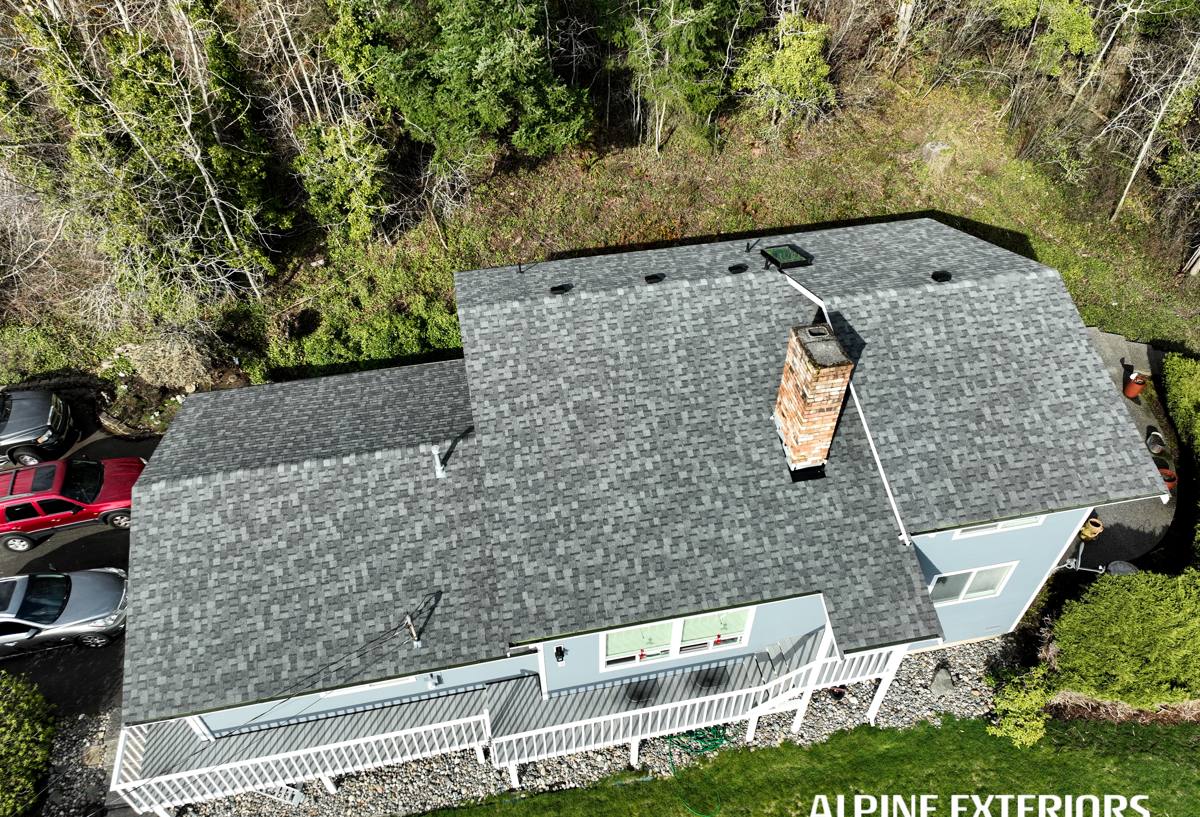
What Gulf Coast Storms Do to a Bradenton Roof
Hurricane-Force Wind Uplift
Roofing materials are rated for wind resistance, but every rating has a limit, and repeated exposure to gusts near or above that limit fatigues the fasteners and adhesive seal long before a single tab ever visibly lifts. Once wind gets under an edge — at a rake, a ridge, or a valley — it doesn't need much more to start peeling material back. This is why storm damage often starts at the edges and corners of a roof rather than the middle of a slope.
Wind-Driven Rain Intrusion
A well-built roof sheds rain that falls straight down. Wind-driven rain is a different problem — it can travel sideways and even slightly upward under shingle edges, around vents, and through any gap in flashing that wouldn't normally see water at all. This is usually how storm damage turns into interior damage: not through a hole, but through rain finding a path that a normal rainstorm never would have tested.
Year-Round UV Exposure
Sarasota and Bradenton both sit far enough south that roofs get strong, direct sun essentially every month of the year. That constant UV load dries out asphalt shingles, breaks down sealant strips, and makes underlayment and flashing sealants more brittle over time. A roof that's already UV-stressed has less flex left in it when a storm hits, which is part of why storm damage tends to hit older or sun-worn roofs harder than newer ones.
Salt Air Corrosion
Being close to the Gulf means airborne salt settles on metal roof components — flashing, fasteners, vent stacks, drip edge — and accelerates corrosion compared to inland areas. Corroded fasteners lose their grip strength, and corroded flashing develops pinholes long before it looks obviously bad. A storm repair on a coastal home has to account for this, because a repair that ignores salt-related metal fatigue is a repair that fails again sooner than it should.
Signs Your Bradenton Roof Has Storm Damage
Some storm damage is obvious. Most of it isn't. After any significant wind or rain event, it's worth checking for the following:
- Shingles that look curled, cracked, or slightly lifted at the edges, even if none are missing outright
- Granules collecting in gutters or at downspout outlets — a sign the shingle surface is wearing or was impact-damaged
- Bent, lifted, or missing flashing around chimneys, skylights, vent pipes, or where the roof meets a wall
- Soft spots or slight sagging when walked on, which can indicate wet or damaged decking underneath
- New or worsening ceiling stains, especially near exterior walls or around fixtures like can lights
- Debris marks, dents, or scuffing on the roof surface after a storm with hail or wind-blown debris
- Daylight visible through the roof deck from inside an attic space
- A musty smell in the attic, which often shows up before any visible stain does
None of these on their own always means a major problem, but any of them is a reason to have a professional take a closer look rather than wait for the next storm to make the damage worse.
What a Correct Storm Damage Repair Actually Involves
A Full Assessment, Not Just a Patch
The most common shortcut in storm repair is fixing only what's visible from the ground or from a quick walk of the roof surface. A correct repair starts with checking the full roof system — surface material, flashing details, and, where there's any sign of water intrusion, the decking underneath. Storm damage rarely stays contained to one spot, and a repair that only addresses the obvious symptom often leaves the actual entry point untouched.
Checking the Decking and Sheathing
If wind-driven rain has been getting under the roof covering for any length of time, the wood decking underneath can be wet, soft, or delaminating. Any decking in that condition has to be replaced — patching new shingles over compromised decking just hides the problem and guarantees a repeat repair.
Flashing and Underlayment Come First
Flashing and underlayment are what actually keep water out; the visible roofing material is the first line of defense, but flashing and underlayment are the backup that matters when that first line gets breached. A repair that replaces shingles but reuses old, corroded, or improperly lapped flashing hasn't fixed the underlying vulnerability — it's just made the roof look repaired.
Matching Existing Materials
Where a repair is limited to a section of roof rather than a full replacement, matching the existing shingle profile, color, and, where possible, manufacturer lot is part of doing the job right. A mismatched repair patch is a cosmetic problem now and can also create subtle differences in how that section sheds water compared to the rest of the roof.
Repair or Replace? What Actually Decides It
Not every storm-damaged roof needs full replacement, and not every roof that "looks fine" is actually fine. The honest answer depends on a handful of factors, not on how bad the damage looks from the street.
| Factor | Repair Usually Makes Sense | Replacement Should Be Considered |
|---|---|---|
| Extent of damage | Isolated to one section or slope | Spread across multiple slopes or the whole roof |
| Roof age | Well within its expected service life | Already near or past typical lifespan for the material |
| Decking condition | Dry and structurally sound | Soft, delaminated, or wet in multiple areas |
| Material availability | Matching shingles or panels still available | Original material discontinued or badly faded compared to remaining stock |
| Storm history | First significant damage event | Repeated repairs after multiple past storms |
| Insurance scope | Adjuster scopes a repair-level claim | Adjuster or engineer determines full replacement is warranted |
We'll always tell a homeowner honestly which category their roof falls into rather than defaulting to whichever option is more work. A roof that only needs a repair doesn't need to be replaced, and a roof with widespread decking or structural damage isn't well served by patching around the problem.
How We Handle Storm Repairs in Bradenton
- Inspection. We walk the full roof, not just the section that looks damaged, and check the attic from the inside where accessible.
- Documentation. We photograph and note the damage in a way that holds up for an insurance claim, including areas that aren't visually dramatic but are functionally compromised.
- Written scope. The homeowner gets a clear, itemized explanation of what's damaged, what needs to be repaired versus replaced, and why — before any work starts.
- Repair. Decking, underlayment, flashing, and roofing material are addressed in that order, so the parts that actually stop water get fixed first.
- Final walkthrough. We review the completed work with the homeowner and make sure the repair matches what was scoped.
This is the same process whether the job is a single-slope repair after a wind event or a larger scope tied to a named storm. Bradenton homes see enough storm activity that we treat every inspection as if there's damage to find, rather than assuming a roof is fine because nothing is missing outright.
Storm Damage and Insurance Claims — What Homeowners Should Know
Most storm damage repair work in this part of Florida runs through a homeowner's insurance policy, and the single biggest factor in how smoothly that goes is documentation. An adjuster working from a quick visual pass can miss damage that a roofer who's already on the roof will catch — a lifted flashing edge, granule loss in a specific pattern, or soft decking that only shows up under foot pressure. Having a contractor's assessment alongside the adjuster's report gives a homeowner a more complete picture to work from.
We don't handle claims on a homeowner's behalf or negotiate directly with an insurance company, but we do provide clear, specific documentation of what we find, which is often the difference between a claim that covers the full scope of damage and one that only covers the most obvious part of it.
Why Hire a Crew That Already Works in Bradenton
After any major storm, it's common to see contractors show up in an affected area who aren't normally based anywhere nearby. Some of that work is fine. Some of it isn't around six months later when a warranty needs to be honored or a repair needs a follow-up. A crew that's already working the Sarasota-Bradenton area on an ongoing basis has a reason to stand behind the work: the reputation and the relationships are local and ongoing, not tied to a single storm season.
There's also a practical advantage to local familiarity. A crew that regularly works roofs in this specific coastal environment already knows which flashing details tend to fail first in salt air, which materials hold up best under sustained UV, and what a wind-driven rain leak actually looks like from the attic side versus a plumbing or condensation issue that gets misdiagnosed as storm damage. That's the kind of judgment that comes from doing this work repeatedly in this exact climate, not from a general roofing background applied to an unfamiliar area.
If you're dealing with possible storm damage on a Bradenton roof, or just want a professional opinion after a rough weather week, we're glad to take a look. Fill out the form below for a free, no-pressure estimate — we'll tell you honestly what we find, whether that's a small repair or something bigger.